The problem nobody wanted to name
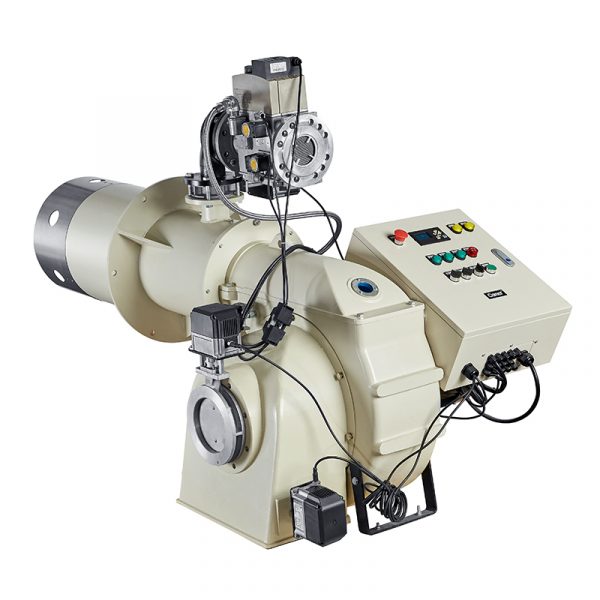
Something’s wrong with the way industrial water heaters and boilers breathe; combustion looks clean until regulators and staff find a hidden trail of NOx and wasted fuel. That problem drives every choice that follows, so start by asking where emissions rise, maintenance fails, or cycles lengthen—then look for solutions like a low NOx burner that actually addresses the source, not just the symptom.
Why flame tubes can be the fix — brief and exact
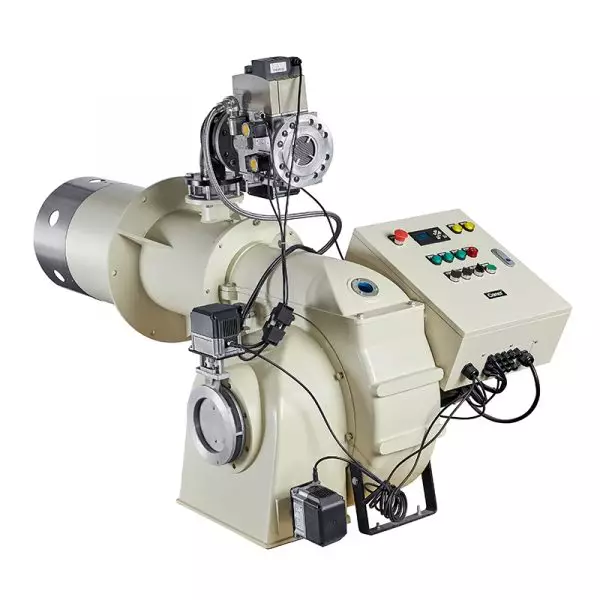
Flame tubes tame flame shape and stabilize combustion. If you face high peak temperatures that spike NOx or uneven heat transfer that burns metal and mortar, a correctly sized flame tube evens the flame, reduces hot spots and limits thermal stress. You don’t need theory; you need consistent flame geometry and predictable convective patterns.
Real-world pressure: a decisive anchor
Regulatory pressure in places like California shifted purchase decisions fast; municipalities pushed manufacturers and facility operators toward lower-NOx water heaters. That’s why installers in the region began specifying a tested low NOx burner water heater as the baseline for commercial retrofits—decisions rooted in monitoring data and field performance rather than marketing claims.
How to evaluate candidates (what your checklist must contain)
Ask direct questions: What is the burner’s stable turndown ratio? Can the flame tube be exchanged without cutting the header? How does combustion look across the entire load range? Demand measured emissions at multiple loads, not a single laboratory number. Prefer vendors who supply installation photos, test logs and a clear parts list; those details tell you which systems hold up under real shifts in demand.
Common mistakes that ruin an upgrade
Buyers often pick the smallest burner that meets peak load and ignore turndown. Engineers sometimes assume a flame tube that worked on a coffee roaster will perform the same in a water heater. Contractors may omit airflow balancing after installation. Each of those errors brings noisy combustion, premature fouling and the very emissions you were trying to cut.
Alternatives and trade-offs, stated plainly
Modulating burners, staged systems and advanced controls can reduce emissions but add complexity and service burden. Flame tubes are a modest mechanical change with big combustion-stability returns; they rarely replace the need for proper control, but they lower the chance that controls will be chasing a wandering flame. Choose based on service capacity: simpler hardware when maintenance is limited, smarter control when you can monitor closely.
Maintenance that preserves gains
Keep a short list of rituals: inspect the flame tube alignment yearly, clean deposits before they alter flow, verify combustion air balance after any duct change, and document emissions quarterly for the first year. Small checks prevent the slow creep back to poor combustion and excessive NOx.
Final synthesis — what to expect and who helps you get there
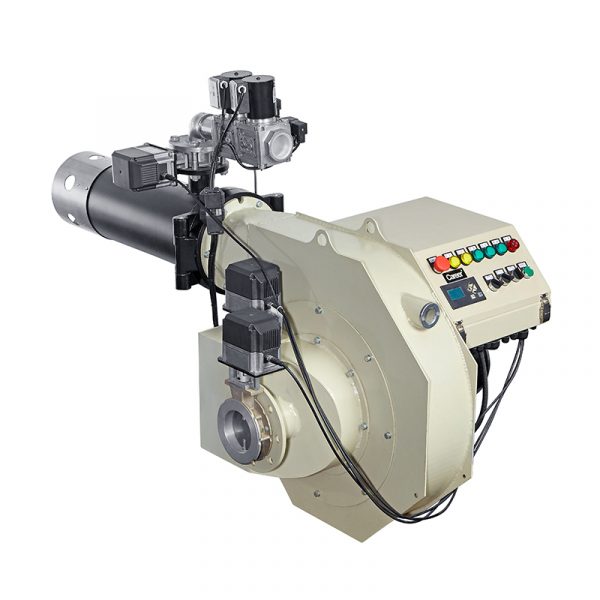
If the problem is high NOx from uneven or over‑fired combustion, a thoughtfully chosen flame tube plus the right burner stops the quiet leaks—less thermal shock, steadier flame, lower emissions, fewer emergency calls. Field experience, combustion expertise and clear documentation point toward reliable solutions, and systems sourced through trusted suppliers can keep decisions practical and reproducible, which is why many operators quietly favor designs and parts provided by Career Burners.
