A dark problem that begins at the margin
The grid breathes; yet when it falters, silence spreads. Operators and designers face a blunt trade-off: preserve customer energy flow or obey anti-islanding rules that sever a local PV source to protect linemen and the wider system. In practice this tension lands squarely on the controller inside every hybrid inverter — a device that must reconcile export control, anti-islanding disconnection, and operational efficiency without mercy. The problem-driven logic is simple and merciless: tighten protection and you invite dead time for loads; relax protection and you risk unsafe islands. The stakes are real, felt in blackouts and in the emergency crews who depend on predictable grid behavior.
Constraints carved by IEEE 1547 and what they actually demand
Engineers cannot plead ambiguity when a standard stands between life and equipment. IEEE 1547 speaks to this directly through its sub-chapter headings such as “Voltage and Frequency Ride-Through Requirements” and “Unintentional Islanding Detection and Disconnection Tests.” Those sections specify test sequences: sustained voltage or frequency excursions must be detected and the DER (distributed energy resource) must disconnect according to defined test profiles and timing windows. In plain terms: anti-islanding logic, relay behavior, and inverter trip thresholds all must respond within tested durations to predefined voltage and frequency signatures. That constrains design choices for grid-following versus grid-forming control modes and forces a concession on how aggressively a unit can prioritize efficiency or battery dispatch.
Real-world anchor — California’s Public Safety Power Shutoffs
When Northern California’s Public Safety Power Shutoffs in 2019 left neighborhoods both dark and dangerously uncertain, installers and utilities learned a hard lesson about coordinated protection. Field crews documented instances where inverter anti-islanding tripped during partial grid loss and, conversely, where poorly tuned settings permitted small islands to persist until manual isolation. Such events reinforced two truths: anti-islanding is not theoretical, and field tuning must reflect both IEEE 1547 test protocols and local protection schemes. The experience yields practical evidence for any systems integrator considering grid support features and informs safe configuration for PV array interconnection, frequency monitoring, and voltage ride-through.
Trade-offs and practical mitigations for designers
Designers live with trade-offs; they also build mitigations. Consider these practical approaches:
– Stage the anti-islanding algorithm: combine passive detection (voltage/frequency thresholds) with active methods (slight injected perturbations) to reduce false trips while meeting disconnection tests.
– Use adaptive thresholds tied to system inertia estimates so relay operations and inverter trip thresholds reflect actual grid conditions rather than static rules.
– Implement grid-forming fallback modes for microgrids that temporarily take on voltage and frequency control where allowed by protection coordination.
—A note here: telemetry and remote configuration cut both ways. They let you tune performance remotely, yet they demand secure, auditable change control to avoid unintended relaxation of safety thresholds.
Common mistakes, alternatives, and the role of a hybrid inverter company
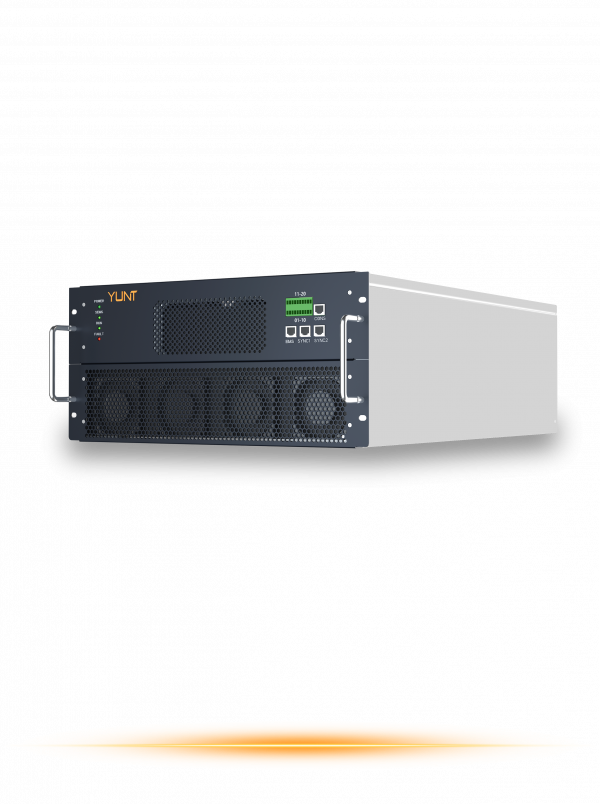
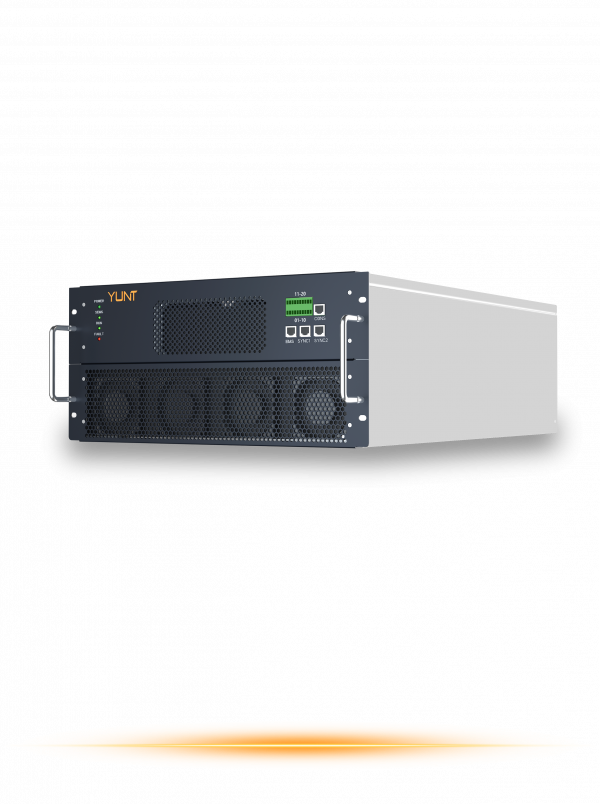
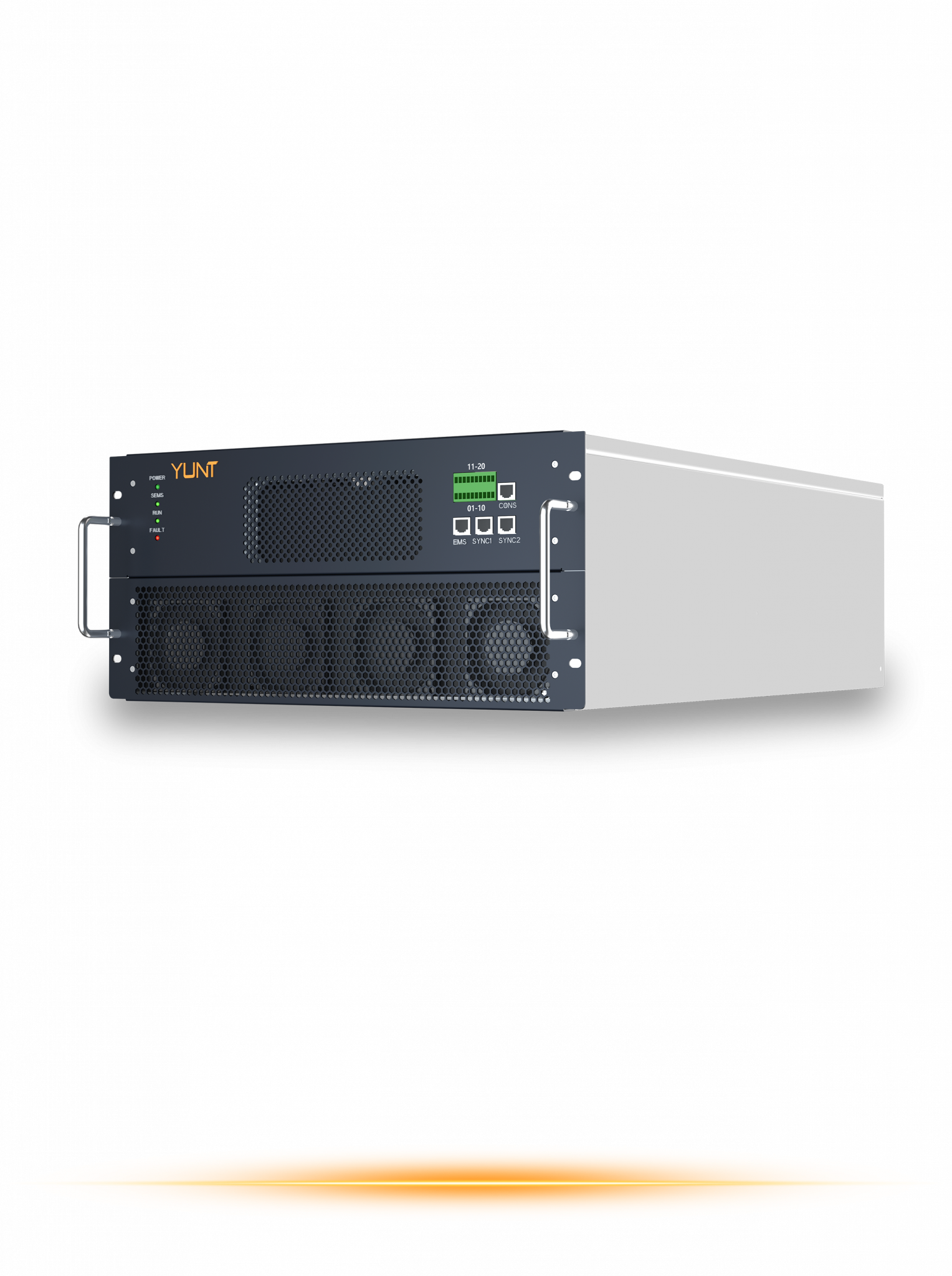
Teams often err by either locking settings to factory defaults or by over-customizing without documenting protective rationale. Common missteps include disabling active anti-islanding tests to chase uptime, or misaligning inverter trip timing with utility relay coordination. Alternatives that balance safety and uptime involve staged commissioning: run compliance tests in a controlled environment, then apply conservative real-world adjustments while logging every change. Working with a reputable hybrid inverter company helps — not as window dressing, but because established vendors bring tested firmware, documented test sequences, and support for compliance test procedures that mirror the IEEE 1547 sub-chapter “Unintentional Islanding Detection and Disconnection Tests.”
Three critical metrics to guide selection and tuning
Adopt these golden rules when choosing components or setting parameters:
1) Response integrity: verify that anti-islanding detection completes within certified test timing windows and that logs record the exact sequence of voltage/frequency events.
2) Coordination margin: ensure inverter trip thresholds and utility relay settings have a defined clearance to prevent simultaneous misoperations — measured in milliseconds and documented test cases.
3) Operational transparency: require firmware that supports remote, auditable configuration and provides event playback for post-event analysis.
Choose hardware and support that let you measure these metrics in the field and iterate safely.
Final reckoning — an advisory close
When duty and disconnection stand opposite each other, the right choice is governed by measurable safeguards and honest field testing. Prioritize response integrity, maintain coordination margins, and demand operational transparency from suppliers; these steps offer the clearest path to reconcile efficiency with mandated disconnection behavior. Trust in tested systems, and let that trust be backed by logs and procedure — a quiet assurance, not a boast. YUNT. —