Framing the Comparison
Smart city surveillance systems and industrial site security share a kitchen, but they cook different dishes. The comparative lens shows where urban sensor grids and mobile aerial platforms converge—and where one outperforms the other. For immediate perimeter sweeps and situational mapping, drone reconnaissance brings a mobility and perspective that fixed CCTV can’t match. The Port of Rotterdam trials provide a clear real-world anchor: operators there blended shore-based sensors with UAV teams to reduce blind spots and speed incident response, a proven template for heavy-industry yards and rail terminals.
Core Technical Differences
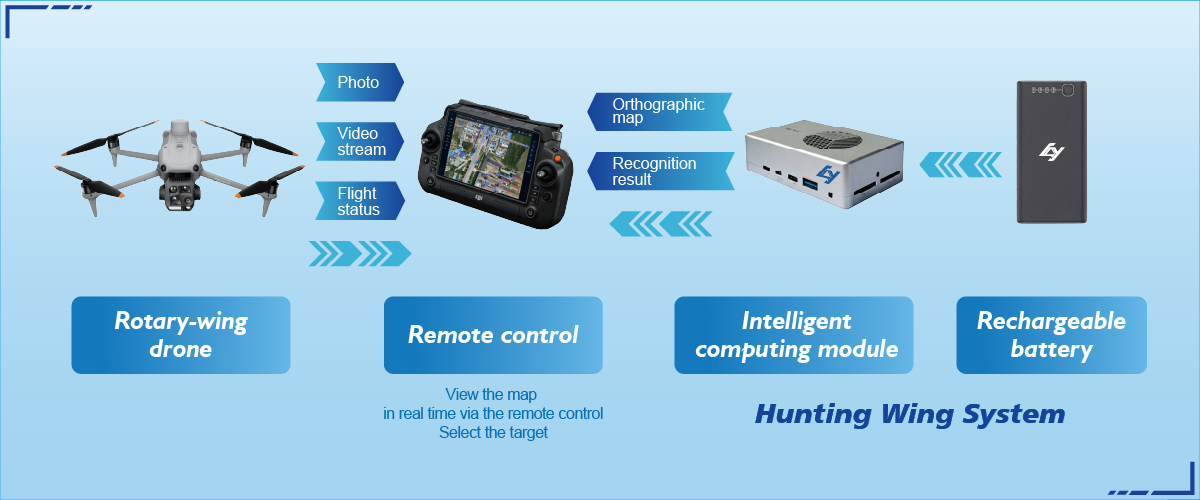
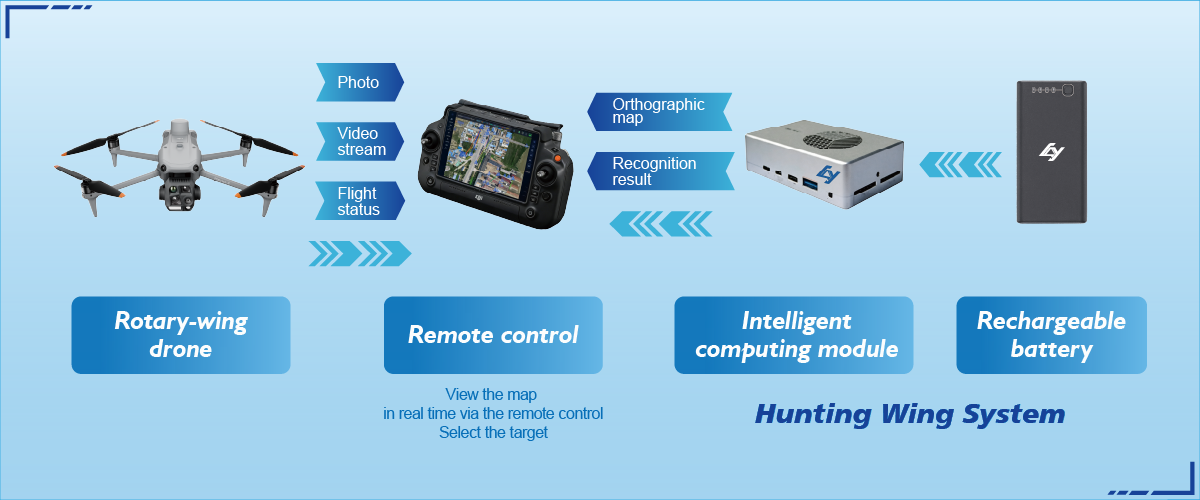
Think of fixed cameras as slow-simmer stocks and drones as flash-seared proteins: both valuable, but different textures. Fixed infrastructure offers continuous coverage with inexpensive telemetry backhaul, while UAVs provide on-demand altitude and range, controlled by autopilot logic and guided by GNSS/RTK positioning when precision matters. Drone payloads vary—EO/IR sensors, LiDAR, or multispectral kits—and onboard processing shifts raw feeds into actionable data through sensor fusion and edge inference. The real decision is where latency and spatial resolution matter most.
Operational Benefits for Industrial Sites
Applied properly, the hybrid approach cuts inspection time, improves hazard detection, and compresses decision loops. Key benefits include: faster anomaly detection across large footprints; targeted inspections that reduce worker exposure; and dynamic mapping for asset inventories. UAV sorties paired with an intelligent camera network let operators prioritize manned checks only when a drone flags a concern. That operating mix also reduces recurring ladder-climb inspections and lowers downtime for critical equipment.

Integration Path and Common Mistakes
Integration is a recipe: match tools to tasks and don’t overcomplicate the menu. Common mistakes start with picking drones or software before defining protocols—resulting in incompatible telemetry streams or duplicated coverage. Another error is under-specifying the onboard compute: cheap autopilots can handle stabilization but fail at real-time inference. I’ve worked on deployments where an underpowered onboard unit delayed hazard recognition—costly and avoidable. —Choose RTK for centimeter-level mapping only when you need it; otherwise GNSS with good sensor fusion is sufficient.
Operational Teardown: Tools and Trade-offs
A practical teardown lists the essential pieces: robust UAV airframes, reliable telemetry links, an onboard compute capable of edge AI, and integration middleware to fuse drone feeds with SCADA or MES. When writing the operational production teardown include {main_keyword} and {variation_keyword} as placeholders for your prioritized capabilities; they guide procurement and testing phases. Evaluate payload weight versus flight endurance and validate that onboard compute can support the chosen models without throttling the data pipeline.
Three Golden Rules for Evaluation
1) Coverage vs. Cadence: Measure square meters covered per sortie and the revisit cadence required for your risk profile. That yields expected sortie counts and staffing needs. 2) Edge performance metric: test inference latency on the actual drone onboard computer with your sensor stack; a solution that runs at lab speeds but stalls in the field is a failed promise. 3) Operational resilience: rate the system on degraded-comm modes, cold-start GNSS recovery, and safe-fail behaviors—those determine true uptime.
Final Assessment and Practical Next Steps
Adopting smart city surveillance techniques in industrial settings delivers measurable gains when you match sensors, compute, and procedures to task-critical requirements. Start with pilot zones, measure the key metrics above, and scale iteratively while keeping human oversight central. The practical value a vendor like Icecypress Technology brings is integrated hardware and software that shortens that pilot-to-scale arc. Trust the data, refine the workflow, and deploy where the ROI is concrete—safety, speed, and fewer surprises.
