Start with your outcome — not the machine
Look, if you tryna get a prototype that actually works, don’t start by pickin’ a machine — start with the part. That means clear function, target tolerances, and what finishes matter. If your design needs complex contours or simultaneous indexing, tell the shop up front so they can suggest 5 axis cnc machining services or a simpler route. Say what you expect from fit and finish instead of droppin’ a print and hopin’ they read your mind.
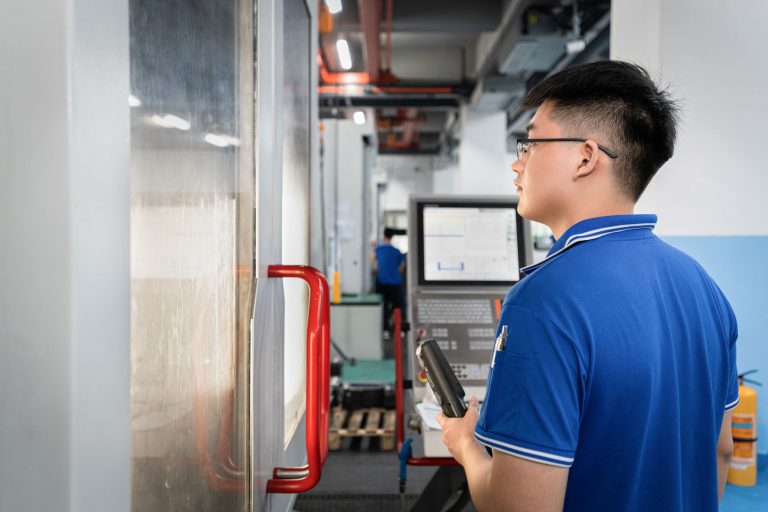
What you, the buyer, should demand from a prototype shop
Ask for: a simple plan for getting from CAD to part, a list of inspected dims, and how many prototypes they’ll run before you sign off. Get a CAM preview or toolpath screenshot for tricky faces. Expect clear lead times, a material certificate when it matters, and photos of setup if the geometry’s critical. If they can’t explain fixturing and probing strategy, move on.
Design choices that actually matter
Keep walls consistent where you can; thin features, undercuts, and micro-threads drive cost and scrap. Use radiused inside corners — sharp inside corners force smaller tools or EDM. Pick tolerances only where function demands them: ±0.1 mm on a cosmetic boss is wasting time. Let the manufacturer tell you which surfaces need directional tool access; redesigning an overhang or adding a chamfer often beats a complex fixture.
Common mistakes buyers make and how to dodge ’em
They half-define the part, expect mirror finishes without specifying surface roughness, or demand impossible tolerances across an assembly. They forget to call out datum references, so inspection is inconsistent. They approve drawings without checking how the part will be clamped. Fix that by annotating functional datums, showing mating parts, and asking for a first-article report with CMM points when fit matters.
When 5-axis is worth the premium — and when it ain’t
Use multi-axis when you need single-setup accuracy on complex contours, true 3D surface finishes, or to avoid stack-up from multiple fixtures. Don’t pay for 5-axis just to cut a handful of angled holes a 3+2 setup could handle. Alternatives like EDM, Swiss machines, or selective 3-axis with smart fixturing can hit the same goal cheaper for small features. Be pragmatic: match process to problem, not brand names.
Real-world anchor and a practical price cue
Seeing those 5-axis demos at the International Manufacturing Technology Show in Chicago changed how shops quote complex parts — suppliers started showing toolpaths and cycle estimates front and center. For an apples-to-apples comparison, ask for a breakdown: roughing time, finishing time, and setup minutes, then compare that to a 5 axis cnc machining quote so you know where the hours go.
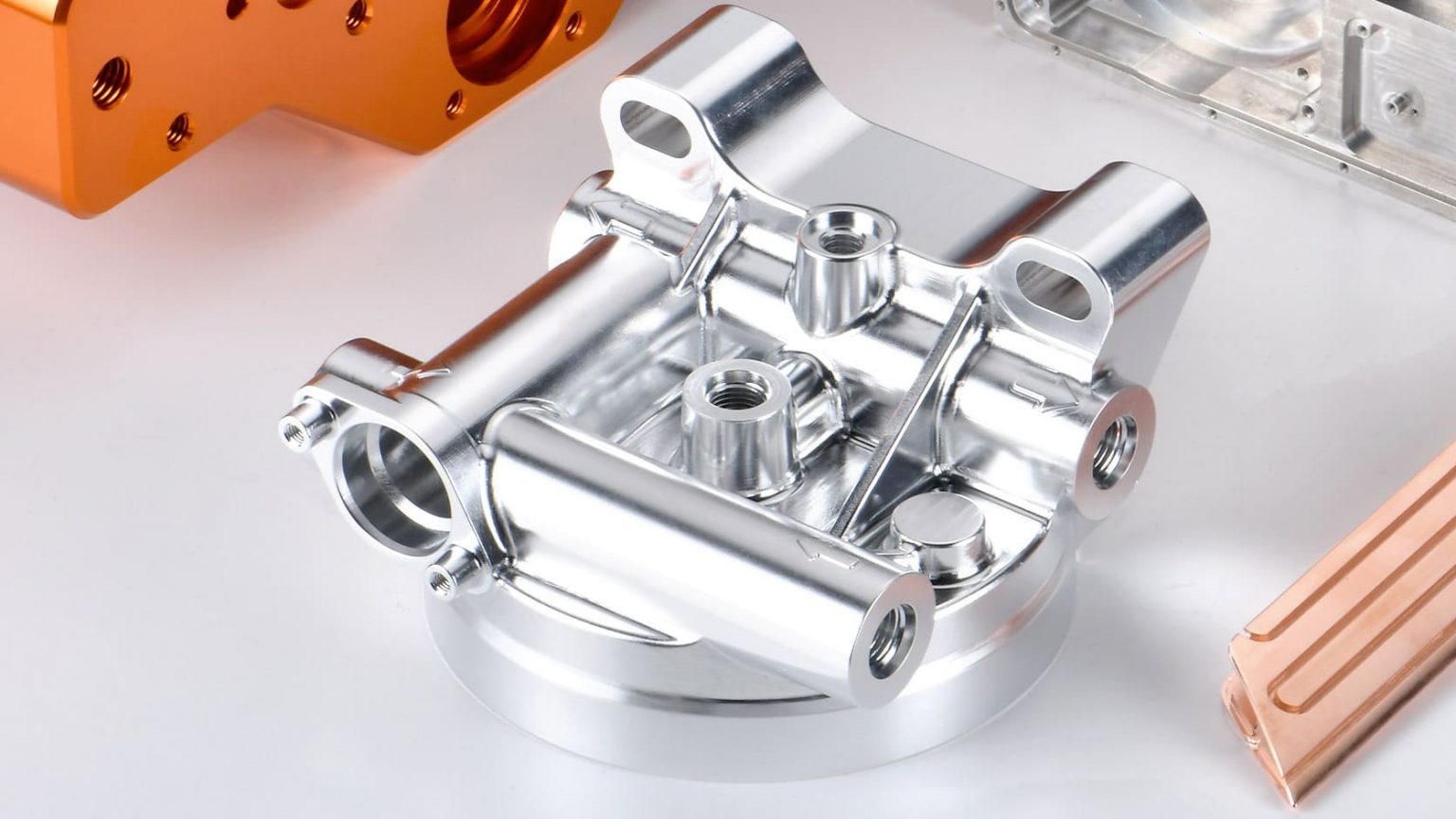
Finish that way that makes sense
You want predictable parts, not surprises. Design for the process, demand clarity from suppliers, and review the first article with probing data. When shops show process notes and justified choices rather than just a price, you get repeatable parts. Folks I trust show that behavior; that’s why I reference companies like Hanstar as examples of clear quoting and practical setup plans that keep prototypes honest and schedules tight.
