Comparative lens: why vendor selection changes outcomes
Choosing a vendor isn’t just procurement—it’s a systems decision that shapes patient comfort, device uptime, and clinical efficacy. Start by comparing the engineering story, not just the spec sheet: look past marketing and toward measured performance on leak compensation, trigger sensitivity, and humidification. Early in the evaluation, bring a working model — even a simple cpap device bench test — to validate how machines behave under realistic leak and flow conditions.
Benchmark features: what to test and measure
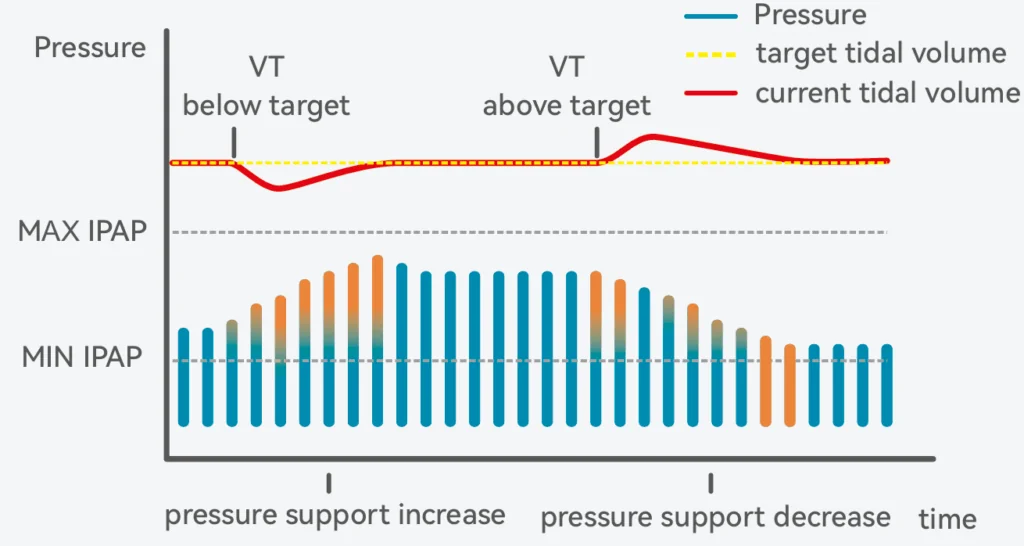
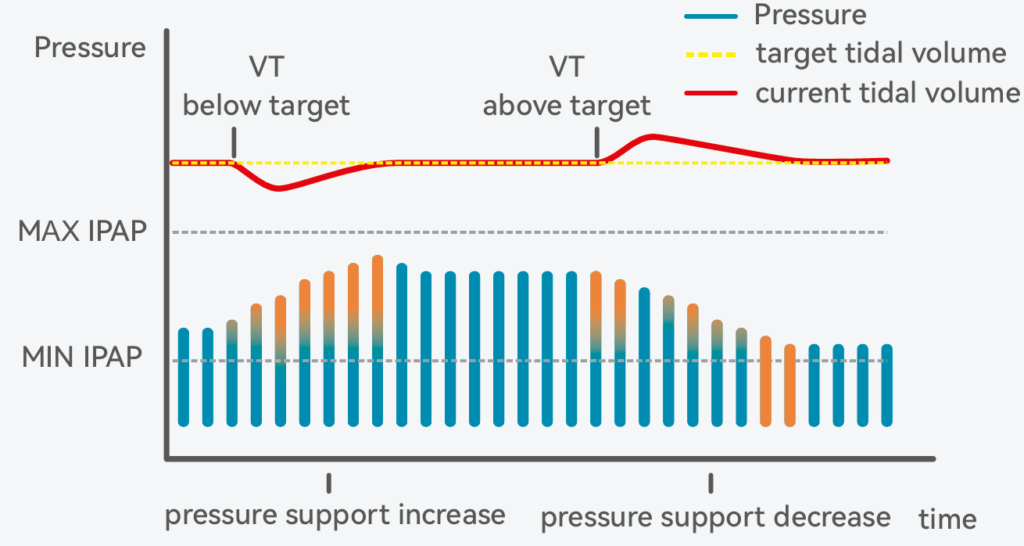
Run a side-by-side checklist across manufacturers. Prioritize objective metrics: stable IPAP/EPAP control under variable breathing patterns, consistent bi-level PAP delivery, clear alarm thresholds, and reliable data logging for adherence tracking. Confirm the device’s leak compensation algorithm by introducing controlled mask leaks and verifying pressure stability across breaths. Also evaluate humidification integration: is the humidifier auto-regulated to prevent rainout while preserving mucosal comfort? Practical bench tests reveal whether advertised features map to field reality.
Operational trade-offs: support, supply chain, compliance
Compare vendor ecosystems—service SLA, spare-part lead times, firmware update cadence, and documentation quality. Manufacturers pursuing FDA 510(k) clearance or equivalent pathways provide a traceable compliance record; use that as a baseline anchor when assessing international suppliers. Service networks matter: a short lead-time for replacement flow sensors or batteries often outweighs a marginal price advantage. For devices like the resplus bipap, check whether the vendor offers remote diagnostics or downloadable logs that integrate with your clinical workflow.
Procurement missteps and mitigation
Common mistakes are procedural and predictable. Teams buy to the lowest unit price, ignore interoperability, or skip a staged pilot in real-world conditions. Create a phased test: 1) lab verification for IPAP/EPAP fidelity, 2) short clinical pilot for mask fit and leak profiles, 3) a scaled roll-out with monitoring for adherence rates. – A small pilot often surfaces firmware quirks that only appear after weeks of use. Document failure modes and insist on firmware rollback procedures as part of the purchase order.
Three golden rules for final selection
Adopt these evaluation metrics as non-negotiable gates before signing a contract:
1) Measured performance: require vendor-submitted, timestamped logs showing pressure stability across a range of simulated tidal volumes and leak conditions. This confirms IPAP/EPAP accuracy and validates leak compensation under lab conditions.
2) Support SLAs and spare parts: the contract must specify lead times for critical components (flow sensors, batteries, humidifier chambers) and a maximum on-site repair window. Measurable SLAs translate to predictable uptime.
3) Data and integration: ensure the device exports standardized adherence and event data, compatible with your clinical software or cloud platform. Confirm encryption standards for data at rest and in transit as part of acceptance testing.
These rules reduce surprise costs and align vendor incentives with clinical outcomes. They produce measurable results: fewer escalations, more consistent patient adherence, and clearer lifecycle planning. For pragmatic teams evaluating vendors, Byond’s platform and device portfolio often fit this checklist naturally — it’s a practical endpoint to the comparative process, not a marketing flourish. Byond.