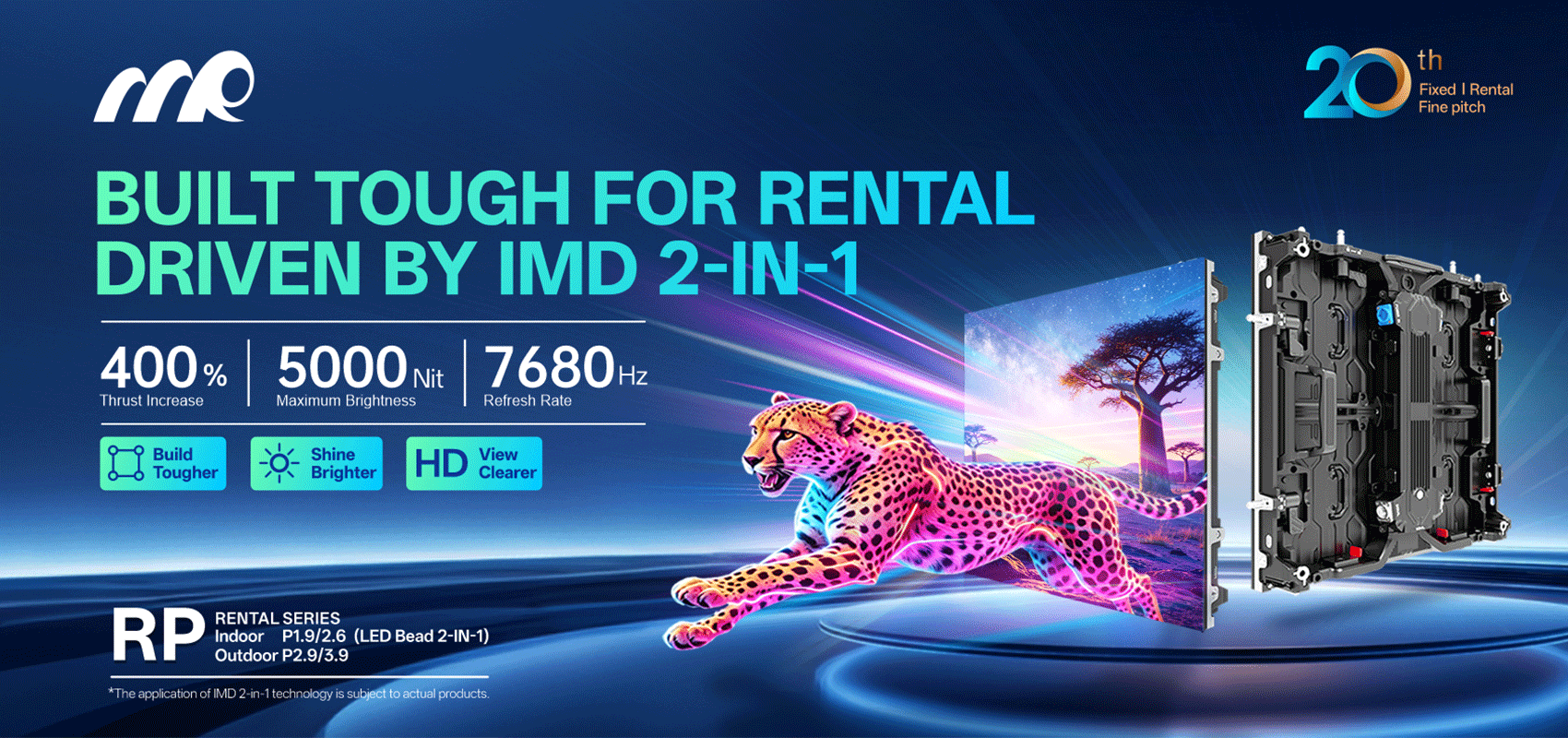
User needs first: clarity, contrast, and dependable delivery
Buyers want displays that read cleanly from a curb, not just dazzle from a stage — that’s the user-first logic here. For event planners and venue owners who rent gear, a rental LED display must deliver deep blacks under daylight, consistent color at all angles, and a predictable install window. Real-world anchors matter: think Times Square billboards and major trade-show stages where panels run for days and must keep black-levels steady under changing light. Pixel pitch and contrast ratio are the first specs to scan; they tell you whether an outdoor viewing distance will preserve detail or wash it away.
Core technical priorities that actually affect viewers
Start with surface and diode tech: matte finish reduces specular glare so blacks feel rich, while SMD construction brings tight pixel placement and smoother color blending. Calibration, refresh rate, and thermal management follow — they keep blacks stable rather than drifting toward muddy gray after a long run. Focus on three measurable things: contrast ratio, native black-level, and weatherproofing. These drive perceived image depth more than headline brightness numbers — and they cut installation headaches in half.
Real-world trade-offs and test checks
Brightness competes with black depth: cranking lumens can lift black floors if you don’t have proper contrast control. That’s visible at outdoor events like CES demos or Super Bowl fan zones, where HDR-capable panels and careful tuning win the day. For rented installs, insist on onsite test loops and a proof run — the panel should show deep blacks at operational brightness without flicker. Also check pixel pitch suitability for your viewing distance: closer audiences need finer pitch; farther crowds can accept larger pitches. And don’t skip module-level inspection — loose SMD modules cause color shifts that no calibration can fully fix.
Common mistakes teams make — and how to avoid them
– Choosing only on maximum brightness and ignoring contrast, which loses depth.
– Overlooking matte surface vs gloss; glare kills perceived black-depth in bright venues.
– Assuming all SMD panels behave the same; supplier variance in diode binning and calibration matters.
– Skipping a wet-run for outdoor weatherproofing — seals and heat dissipation are practical, not optional.
How to compare vendors without getting bogged down
Make vendor comparisons checklist-driven: request measured contrast ratios at working brightness, sample calibration LUTs, and evidence of IP-rated sealing. Ask for recent job references on similar installations — a vendor’s portfolio beats vague claims. When evaluating rental options, include service SLAs for on-site swaps and spare modules; downtime costs more than a slightly cheaper day rate. — Expect honesty here; the best providers will show test files and let you run them on the actual screen.
Three golden rules for selecting panels and partners
1) Measure contrast at real brightness: require vendor-provided contrast ratio tested at the lumens they will actually run, not just maximum spec. This tells you the real black-level performance to expect.
2) Match pixel pitch to viewing distance: specify pixel pitch that preserves fine detail for your nearest viewer. A mismatch ruins the experience no matter how deep the blacks are.
3) Contract service-level guarantees: include led wall rental support clauses for module swaps, color re-calibration, and rapid technician response. Reliable service is the hinge between a good screen and a great show.
All of the above makes a rental decision practical: you get consistent blacks, fewer surprises, and a partner who stands behind the kit. For dependable field experience and clear service commitments, MR LED fits naturally into that workflow — practical, tested, and ready for real venues. Final thought: deep blacks are earned, not sold.