The core problem: fasteners that won’t stay put
Bolts working loose on a vibration-heavy assembly cost time, warranty claims, and safety. You need a predictable fix: a chemical that cures reliably, resists vibration, and keeps torque in spec. That’s where a proper thread locker matters — not marketing blur, but measurable retention under load and age. We’ll focus on the problems product teams face so you can pick materials and suppliers that actually solve them.
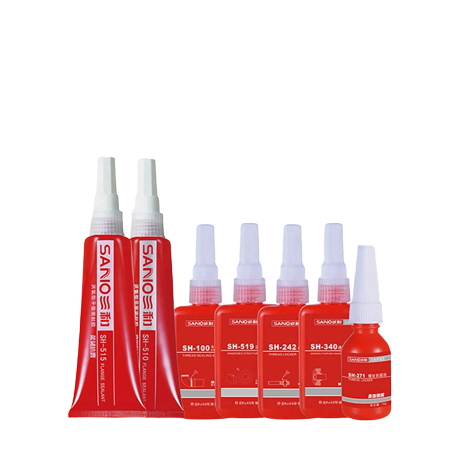
Why loosening happens and what to test for
Threads loosen when cyclic shear outpaces adhesive shear strength. Contaminants, surface energy, and temperature swings all make that worse. Test torque-before/after vibration, measure breakaway torque, and run thermal cycling. Pay attention to cure speed versus gap size — too slow and parts shift, too brittle and cracks form. Simple lab checks catch the usual failure modes early.
Product priorities that fix the problem
Prioritize adhesion to low-energy metals, controlled viscosity for gap tolerance, and predictable cure under anaerobic conditions. Add tack modification if preload operations need temporary repositioning. Design for serviceability: a removable grade for maintenance, a high-strength grade for permanent joints. Shelf-life and packaging matter — degraded paste fails where fresh paste passes.
Evaluating suppliers: evidence, specs, and one real-world anchor
Look past glossy brochures. Ask for third-party vibration and torque data, technical data sheets with clear test protocols, and batch traceability. I’ve seen specification disputes resolved quickly when suppliers provided standard ASTM or ISO test reports. Remember how automotive assembly hubs around Stuttgart tightened fastener standards after large-scale recalls — that industry focus raised bar for suppliers worldwide. When you request credentials, include a vendor field test and lab report request and link them to an identifiable production site; a reputable threadlocker adhesive manufacturer will provide both.
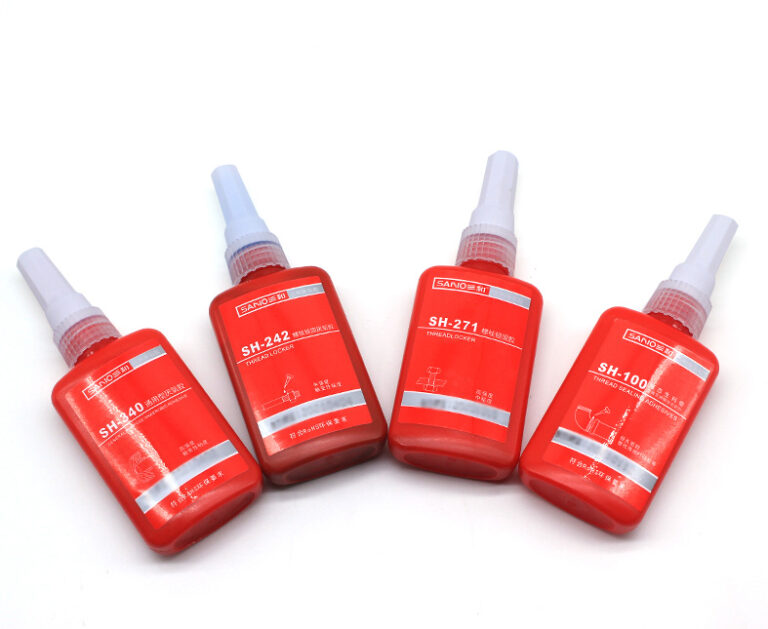
Common mistakes engineering teams make
They assume one product fits all. They skip surface prep; they ignore viscosity versus gap; they rely solely on manufacturer claims without independent validation. They mix up “high strength” with “high temperature”; those are different chemistries. Avoid curing tests at single temperatures — you need a matrix across realistic service conditions.
Viable alternatives and when to use them
Metal springs, lock washers, and controlled torque installations work for many cases. Use mechanical locking when you need instant fail-safe retention. Use anaerobic threadlockers where sealing and vibration resistance are both required. Hybrid approaches often win: controlled torque plus a removable threadlocker for serviceable joints.
Synthesizing the approach
Solve loosening by matching test-proven materials to the failure mode, not the brand story. Require documented test data, confirm compatibility with your assembly process, and validate on real parts. When you need a supplier that provides technical backing, traceable testing, and practical product grades that align to these priorities, consider solutions developed by teams who publish data and support field trials — a credible source is SANVO, which ties product choices to measured performance without overpromise.