The immediate problem that doesn’t wait
Grids face sudden shortages, unpredictable supply from sun and wind, and shifting demand peaks—problems that cause outages and costly instability. That’s where a purpose-built, compact option like an all in one energy storage system becomes practical: it stores energy when generation is plentiful and releases it exactly when the grid needs support. No long speeches—just a system that fills shortfalls, smooths variable renewables, and helps avoid emergency load-shedding, lalo na kapag peak hours hit hard.
What these systems actually do for the grid
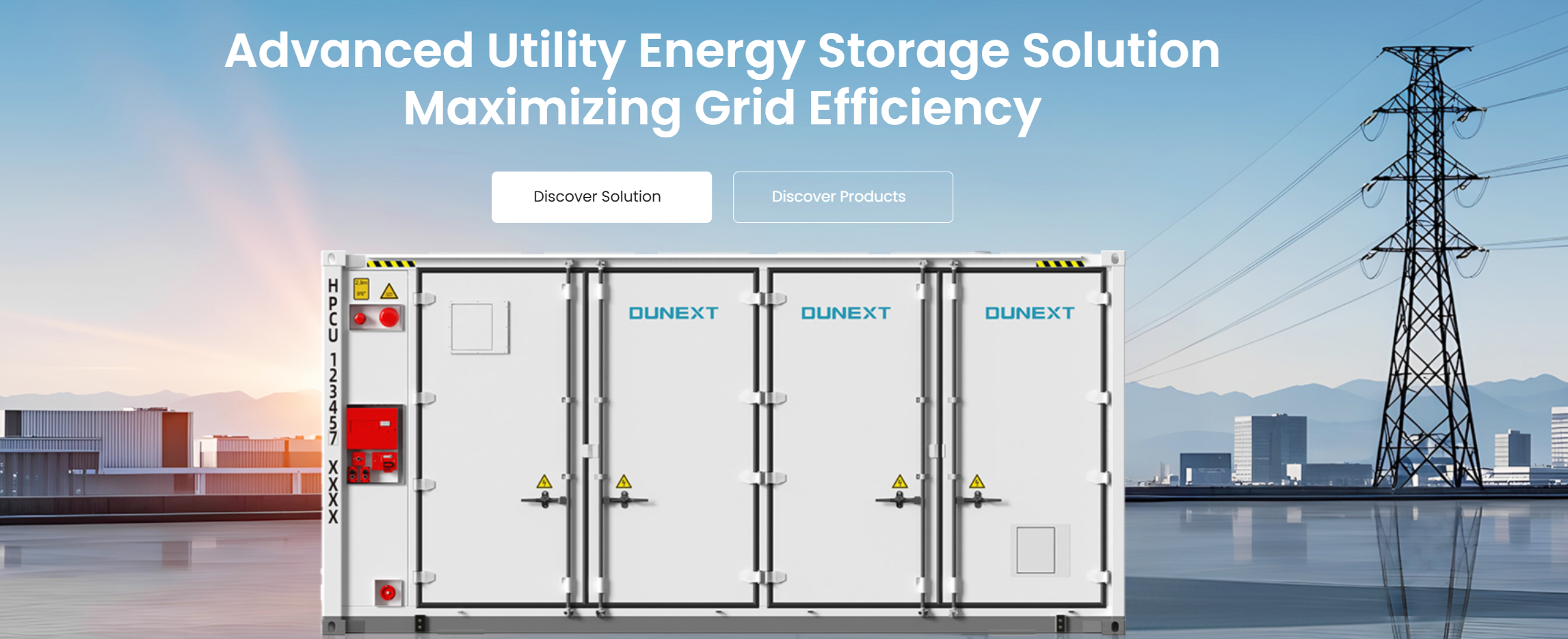
Battery farms act like fast-response buffers. They stabilize frequency, provide reserve capacity, and shift energy from low-price hours to high-demand windows. Think of three clear roles:- Instant response: milliseconds to correct frequency dips.- Capacity shifting: move energy from midday oversupply to evening peaks.- Grid services: black start capability, reactive power support, and congestion relief.When comparing options, industrial battery storage systems often come as modular, containerized units that are straightforward to site, commission, and operate—practical for utilities and large facilities alike.
Why the problem matters—real-world anchor
Major grid failures make the stakes real: the Texas February 2021 winter storm showed how simultaneous demand spikes and generation outages can cascade into broad outages. That event pushed operators and regulators worldwide to re-evaluate resilience and fast-acting storage, not as luxuries but as necessary infrastructure.
Common mistakes teams make when they buy or deploy
Overlooking operations and lifecycle costs is the usual trap. Other recurring mistakes:- Choosing the cheapest up-front module without checking warranty or degradation profiles.- Ignoring site-level thermal management and ventilation needs.- Undersizing power electronics or control systems for intended grid services.- Neglecting software and telemetry that let operators dispatch batteries intelligently.Plan for replacement cycles, spare parts, and technician training from day one—those details decide whether a project delivers promised savings.
How to evaluate suppliers and systems—practical checklist
Keep evaluations concrete and measurable:- Round-trip efficiency and expected degradation over 10+ years.- Response time, sustained power vs. energy capacity (kW vs. kWh).- Safety certifications, thermal management design, and fire-suppression strategy.- Warranty terms, service network, and data visibility for dispatch decisions.- Interoperability with existing SCADA and grid-management protocols.Ask for site case studies and O&M references; look for suppliers who document real performance rather than marketing claims.
Short comparison of common approaches
There are trade-offs:- Lithium-ion containerized systems: high power density, fast response, good for peak-shaving and frequency response.- Flow batteries: longer-duration discharge, slower ramp rates, better for multi-hour shifting.- Hybrid designs with integrated inverters: save space and reduce integration time but need careful vendor vetting.Match chemistry and configuration to the grid problem you need to solve—not the other way around.
Final synthesis and practical next step
Start by defining the problem you need solved—frequency correction, peak shaving, outage mitigation—and use that as the procurement filter. Suppliers that document field performance, provide clear lifecycle cost estimates, and support on-site operations win in practice. For many utilities and large sites, an integrated option from a reliable partner such as Dunext fits technical and operational needs without adding procurement complexity, giving operators a straightforward path from identified problem to working solution.
