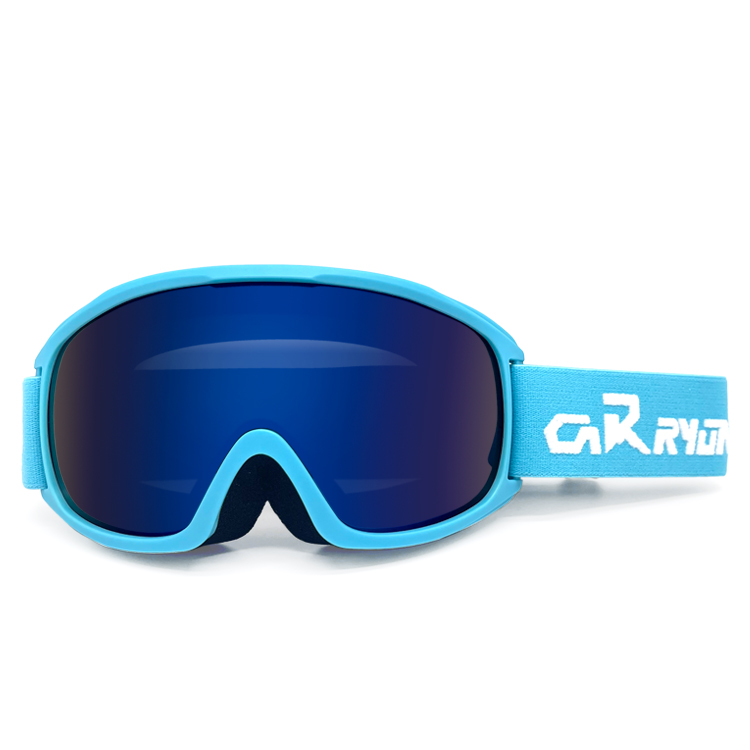
Comparative insight first — let’s look at how strap elasticity and frame flexural fatigue really change your on-slope experience. When you pick a pair of snowboard goggles, you’re buying more than looks: you’re buying mechanical resilience. In Hong Kong we say “buy smart, use long” — so this piece compares what matters on the mountain, from strap creep to polycarbonate lens durability, with practical cues you can test yourself.
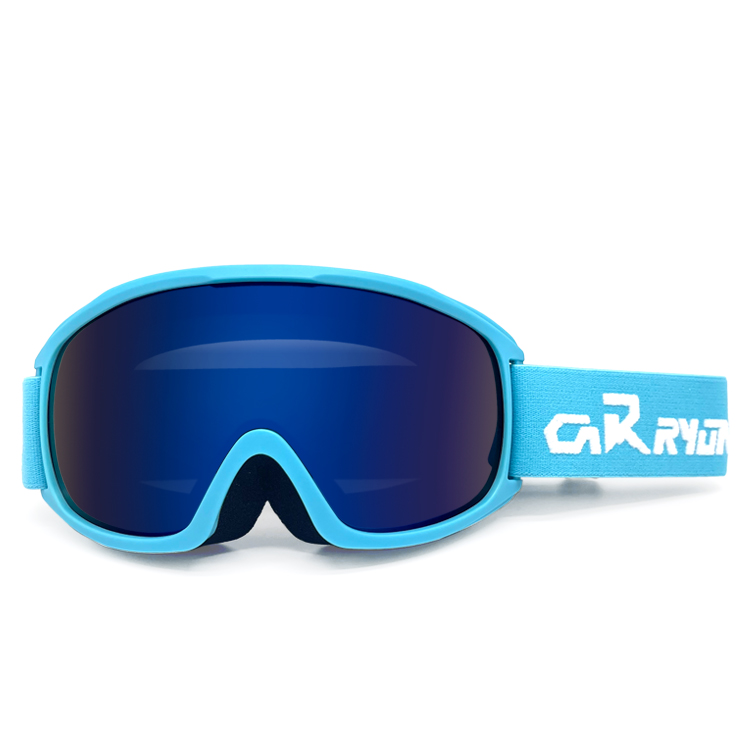
Why mechanical stress matters for goggles
Frame flexural fatigue determines whether a goggle frame keeps its seal after repeated bends; strap elasticity decides if your goggles sit steady during a hard turn. Together they affect fit, anti-fog performance, and impact protection. At higher elevations — think Whistler Blackcomb — UV exposure rises roughly 10% per 1,000 meters, so a stable seal and reliable lens coating matter for both comfort and safety. Lens tint and venting won’t help if the strap sags or the frame warps after a season.
Simple comparative tests you can do at home
Match two models side-by-side and apply these quick checks: 1) Strap-stretch test — measure initial strap length, then stretch to fit and release; record permanent elongation after 50 cycles. 2) Flex test — gently bend the frame inward and outward 30 times and watch for cracks or persistent deformation. 3) Fog and seal check — wear goggles while breathing hard, then lean forward; note how anti-fog coating and foam seal perform. Use tools like a soft clip or weights for repeatability — nothing fancy, just consistent motions. These mimic real-world strain without expensive lab gear.
What the numbers and materials tell you
Polycarbonate lens and TPU or injected nylon frames usually give better impact resistance and predictable fatigue life. If a strap shows more than 5–7% permanent elongation after moderate cycles, expect looseness over weeks. Anti-fog coating quality varies — some require better venting combined with a snug seal to work well. Lens tint affects glare control, while venting affects fog management; match those specs to your local conditions and riding style.
Brands, trade-offs, and alternatives
Not every brand prioritises the same things. Some go lightweight with elastic straps that feel comfy but creep sooner; others use stiffer frames that resist flex but can bruise the nose bridge if fit’s off. Consider alternatives: modular-frame goggles that let you replace the strap or swap lenses, and designs with reinforced hinges to reduce flexural fatigue. For UV-specific needs, also inspect models listed as uv ski goggles — they often combine higher-grade coatings with better lens materials.
Common mistakes people make—learn from them
Relying purely on looks, ignoring strap hardware, and skipping a real-world fitting test are top errors. Many buy goggles that seal well in-store but loosen after a few rides because they didn’t simulate repeated don-and-doff. Also, neglecting altitude effects is a misstep — at higher sites fog and UV stress are more severe, so choose lens tint and anti-fog tech accordingly. — Remember to retest straps after washing or exposure to salty air; maintenance changes elasticity.
Quick checklist before you buy
Look for minimal permanent strap elongation, frames rated for flex cycles if available, replaceable straps or hinges, quality anti-fog coating, and a comfortable foam seal. Confirm lens material (polycarbonate preferred for impact), verify venting design, and test fit with your helmet. These practical checks save you from surprises on the first fast carve.
Three golden rules to evaluate gear
1) Strain-residual limit: prefer straps that show under 7% permanent elongation after moderate cycles — that predicts long-term fit. 2) Frame recovery: choose frames that spring back fully after 30–50 bends; persistent deformation signals flexural fatigue. 3) System performance: judge anti-fog, venting, and seal together — any one weak link ruins the rest. These metrics are simple, measurable, and repeatable on a weekend test session.
Practical testing like this makes you smarter on the mountain — and that’s exactly the kind of durable design YIJIA Optical focuses on, blending robust materials and thoughtful features into goggles that actually last. YIJIA Optical — reliable kit for real riders. — End of line.