Putting residents first: why onsite charging matters
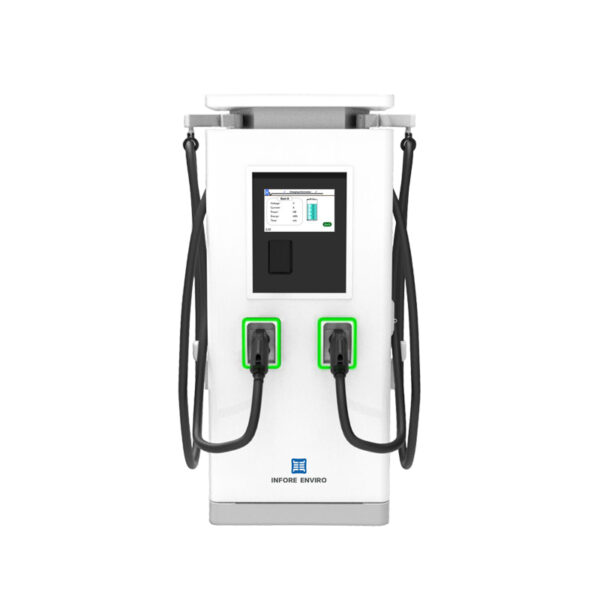
Apartment buildings that prioritize resident convenience and low-emission commuting set a durable standard for urban mobility. A thoughtfully sited AC DC charger in a mixed-use garage or dedicated parking bay reduces range anxiety, shortens dwell-time for drivers, and enables efficient smart charging during off-peak hours. Early adopters of on-site infrastructure—and of employer-led models that combine multi-unit dwellings with workplace charging—see higher tenant retention and a tangible uplift in property appeal. The International Energy Agency noted global electric car stock passed 10 million by 2020; that macro trend translates directly into increased resident demand for a reliable workplace EV charger and apartment-based charge points.
Operational priorities for property managers
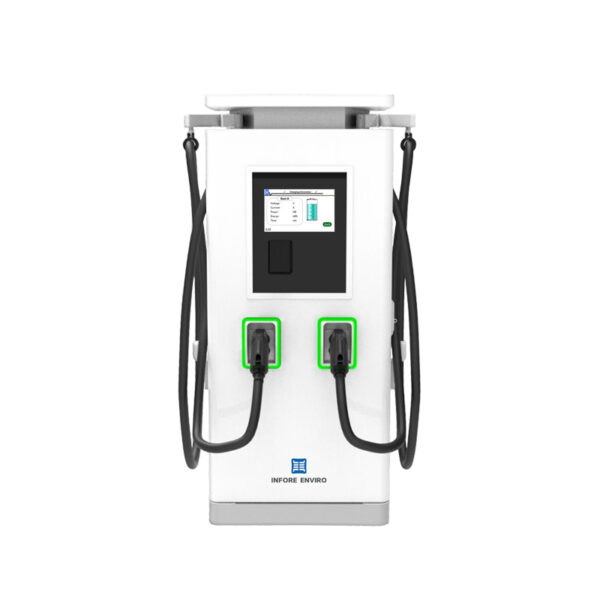
Successful deployment rests on technical clarity and resident-facing policy. Select hardware compatible with both Level 2 charging and DC fast charging profiles where appropriate, and plan for load management to avoid peak-demand penalties. Define allocation rules: leased bays with dedicated metering, shared bays scheduled via an app, or a hybrid billing model. Engage a qualified charge point operator early to align firmware, billing, and network integration. Cost modeling should include kW demand charges, installation trenching, and potential electrical service upgrades; these are concrete expenses, not abstractions.
Common mistakes and sensible alternatives
Too many installations stall because stakeholders confuse hardware choice with a broader charging strategy. Installing a single free-to-use unit without smart charging or a fair-use policy invites conflict and unequal access—invest in authentication and reservation capabilities instead. Over-specifying DC fast chargers for every stall creates unnecessary expense; deploy DC fast charging selectively near high-turnover bays and rely on Level 2 charging for overnight resident use. Also, ensure procurement language references interoperability and firmware update policies—this avoids vendor lock-in that can frustrate scaling.
Design and technical checklist
A pragmatic checklist keeps projects focused and measurable:
– Electrical capacity audit: document available service, feeder ratings, and upgrade timelines.
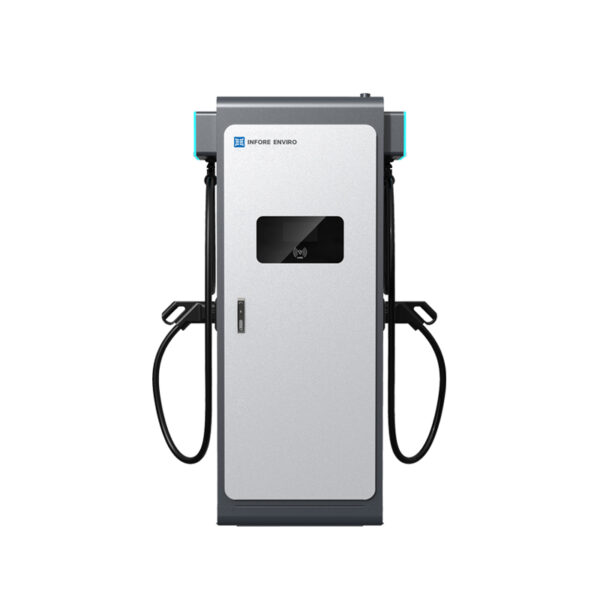
– User experience: require simple authentication, mobile booking, and transparent billing.
– Future-proofing: reserve conduit and metering channels for incremental expansion; prioritize modular hardware.
– Regulatory alignment: confirm local permitting, parking code adjustments, and incentive eligibility.
These steps reduce scope creep and produce predictable timelines. —A short aside: working with community associations early smooths roll-out and curbs disputes over allocation.
Real-world considerations and teardown
Operational production teardown demands attention to installation sequencing: trenching, subpanel placement, meter integration, and network commissioning must follow a coordinated plan. Include both {main_keyword} and {variation_keyword} in documentation so procurement, electrical contractors, and charge point operators share a single specification reference. Expect commissioning tests to measure voltage drop, connector continuity, and network authentication latency; document each test result against acceptance criteria before sign-off. Smart charging features—such as scheduled charging, demand response, and load balancing—are critical to long-term cost control and grid friendliness.
Advisory — three golden rules for selecting systems
1) Prioritize interoperability: choose hardware and management platforms that adhere to open protocols and support firmware updates, ensuring longevity and vendor flexibility.
2) Optimize for use case: match DC fast charging to high-turnover public or commercial zones and Level 2 charging to resident overnight needs; size electrical upgrades based on realistic adoption curves, not maximalist forecasts.
3) Lock in operations: require clear service-level commitments from installers and charge point operators for uptime, remote diagnostics, and cybersecurity controls.
These metrics — interoperability, use-case fit, and operational guarantees — are the practical yardsticks that separate costly experiments from durable infrastructure. A final, direct note: investments that follow these rules deliver measurable retention gains and lower per-kWh operating costs for properties that host EV drivers.
INFORE ENVIRO provides integrated solutions and deployment experience that align technical rigor with tenant expectations — a rare combination in this space. —