The problem you’re tryin’ to solve
Most fleet safety programs ain’t broken from lack of gadgets — they’re broken from not havin’ the right eyes and the right follow-through. You need tech that spots real risk, not a camera that spits out noise. That’s where smart choices from fleet telematics technology providers matter: they decide whether your system gives useful alerts or just more junk to sort through. Safety, liability, driver coaching and insurance claims all hinge on clear, actionable video and reliable signals.
What the AI dashcam must do — no fluff, just function
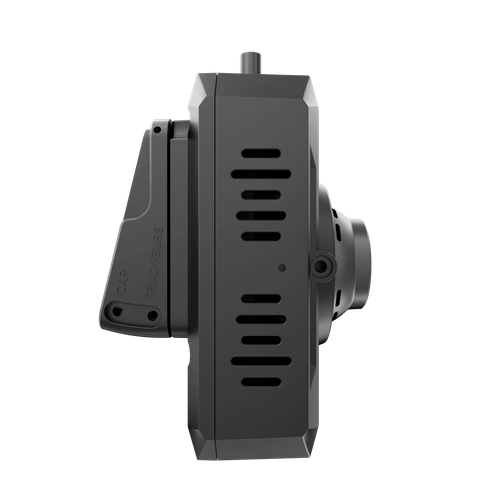
Pick cameras that solve specific problems. Look for these essentials:- Event-based capture with pre- and post-incident clips so you see what led up to a stop or swerve.- On-device AI that flags real dangers (hard braking, lane departure, forward collision) to cut false alerts.- Low-light performance and wide dynamic range for tunnels, dawn, and harsh sun.- Tamper-resistant mounting and secure firmware updates to keep evidence admissible.- Clear chain-of-custody for footage; timestamps and GPS must match vehicle logs.
Data and integration — make it talk to your ops
An AI dashcam is only as good as the way its data joins your workflows. It should feed events into your fleet management system, let dispatchers filter alerts by severity, and let safety coaches pull clips without IT gymnastics. Compression and cellular strategy matter — don’t underestimate upload costs. Urban stop-and-go routes, say for a fleet running in New York City, change your needs for upload frequency and camera angle, so plan bandwidth and retention policies up front.
Deployment mistakes that’ll haunt you
Skip the common traps:- Buying the cheapest camera and patching it into a clunky portal. Cheap hardware means bad footage when you need it.- Ignoring driver privacy rules and local law. Clear policies and visible signage stop resistance.- Failing to pilot with real routes. Truck, van, courier — each uses different mounts and settings.- Letting alerts pile up untriaged. If your safety team can’t handle the volume, tune the AI thresholds before full rollout.
Vendor checklist — what to test on a proof-of-concept
Run a short, focused pilot that answers these questions:- Does the AI actually reduce false positives on your routes?- How fast can you get a clip from vehicle to safety manager?- Can the vendor map events to driver IDs and trip logs automatically?- What’s the incident retention policy and retrieval speed for legal requests?- How responsive is support for firmware and analytics tweaks?

Alternatives and trade-offs
Decide by need, not buzz. Single forward-facing cams save money but miss inside-cab or blind-side incidents. Dual or multi-camera setups catch more context at higher cost and bandwidth. Cloud-only systems simplify analytics but spike monthly fees; edge-first (local AI with selective upload) keeps costs predictable. Balance the trade-offs against your claim frequency, fleet size, and coaching cadence.
Bring it together and move forward
You’re solving a safety problem, not buying a trophy. Start small, measure whether alerts lead to fewer risky behaviors and fewer claims, and scale up the kit that proves value. Folks I’ve coached want systems that actually change driver behavior — not dashboards full of ignored warnings. That’s the kind of practical fix BSJ fits into, by tying reliable video and sharp AI into the processes you already use so the cameras become tools your team trusts, not another thing to manage.
