Why precise monitoring matters to you
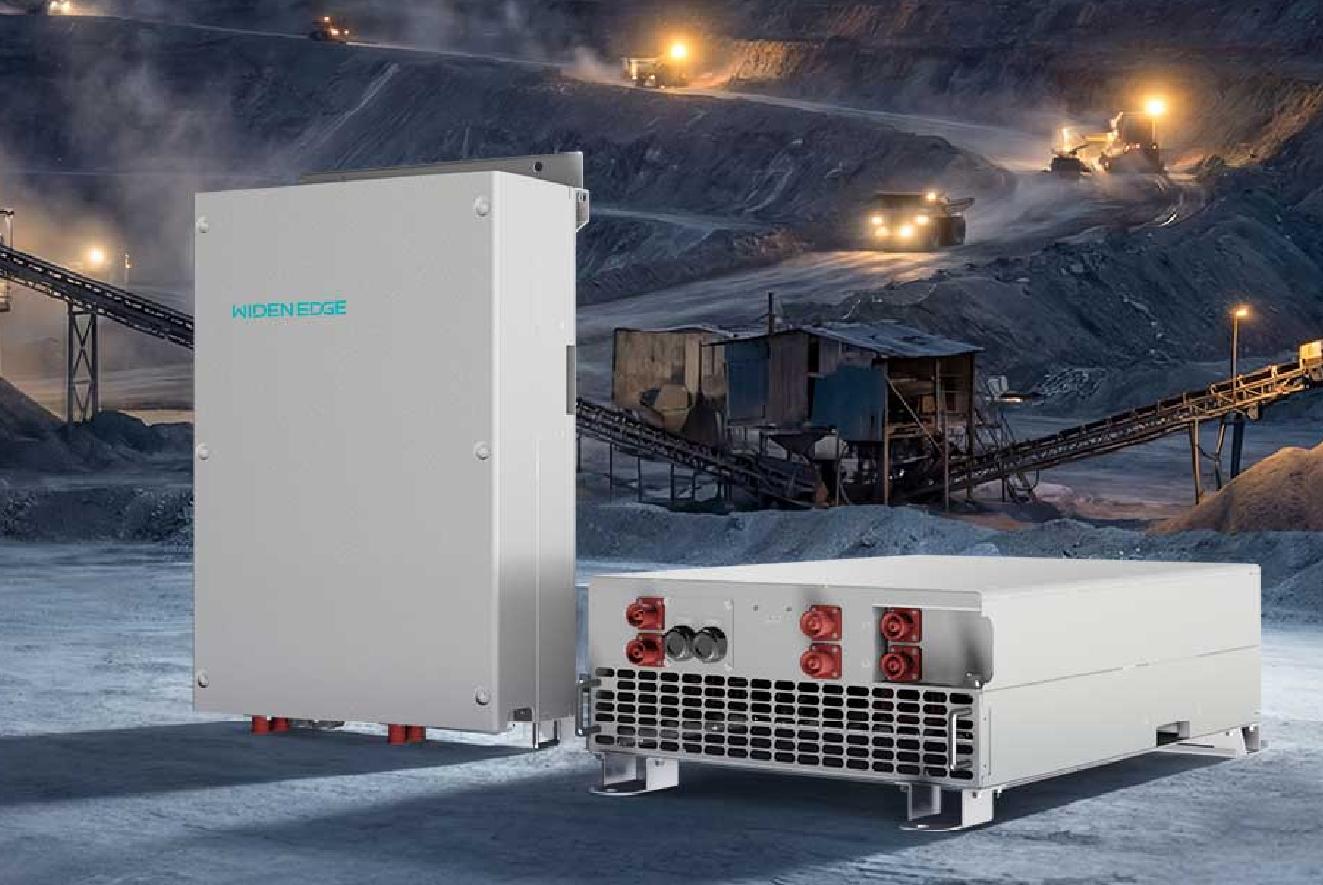
You oversee assets, budgets and contractual commitments; you need measurements that answer exact questions about availability and performance. If your site uses modular power electronics — for example a bank of 45kW solar storage inverter — or wider pv energy storage arrays, the monitoring design must tie cell-level behavior to commercial outcomes. In my decade of commissioning and operating commercial PV-plus-storage plants, I learned operators in California prioritize fast, audited metrics over dashboards that merely “look” healthy. That perspective will guide everything below.
What you must measure first
– State of charge (SOC) with timestamped accuracy; record the raw cell/module values and pack-level aggregate. – Round-trip efficiency per cycle; log energy in versus energy out for each dispatch. – Availability (percentage of time the system can meet rated power); define “available” in contractual terms and measure against that definition. – Cycled throughput (kWh throughput per day/week/month) to track revenue opportunity and fatigue. – Inverter and BMS fault counts with durations; count brief blips and sustained outages separately. – Temperature and ambient conditions collocated with battery modules. Each metric must carry a clear measurement method, sampling interval, and owner. Do not accept undefined gauges that lack provenance.
How to instrument so data is trustworthy
Install metrology and telemetry with accountability. Use precision meters on DC and AC points, synchronise timestamps to NTP or GPS, and route both raw telemetry and aggregated values to an archival store. Make these decisions explicit: which device is the primary source for SOC, which is for energy accounting, which for alarms. Sample faster for safety signals; sample at operational cadence (one minute to five minutes) for performance analytics. Validate data streams with simple checks: energy balance between AC and DC, unlikely SOC jumps, and clock drift tests. When a source disagrees, keep the raw feed — don’t overwrite it with post-processed values without a traceable audit trail.
Analysis that answers operator questions
Operators need three clear outputs from analytics: a concise availability score, a degradation trend, and action-level alerts. Compute availability as uptime when the storage can deliver rated MW for a contractually relevant duration divided by scheduled hours. Track degradation as annualized capacity loss inferred from repeated full-cycle tests and discharge curves. Use baseline behavior to detect anomalies: a sudden SOC drift, a rising internal resistance estimate, or repeated inverter derates. Alerting should be graduated: informational, investigate, and urgent — and each alert must map to an SOP describing who responds and how.
Common monitoring mistakes and their fixes
– Mistake: Relying exclusively on inverter-reported metrics. Fix: Cross-check with independent metering. – Mistake: Treating momentary alarms as availability loss. Fix: differentiate transient events from sustained failures and record both. – Mistake: Ignoring environmental drivers. Fix: collocate temperature and irradiance sensors and correlate them with performance dips. – Mistake: No audit trail for corrected data. Fix: implement immutable logs for raw telemetry and a separate layer for derived metrics with versioning.
Tooling choices and pragmatic trade-offs
Decide between on-site SCADA and cloud-native analytics by weighing latency, security, and sovereignty. On-site systems give fast local control and simplicity for critical safety loops; cloud platforms scale better for fleet analytics and long-term trend detection. Favor architectures that allow hybrid operation: local safety and control with mirrored cloud telemetry for analytics and reporting. When evaluating vendors, require clear APIs, exportable raw data, and proof of integrations with common inverters and BMS units to avoid vendor lock-in.
Daily, weekly, monthly monitoring checklist
Daily: confirm communication health, review critical alarms, and verify SOC and inverter status. Weekly: examine throughput vs schedule, compare per-unit energy accounting, and run quick health indices. Monthly: reconcile energy accounting with billing meters, evaluate degradation and round-trip efficiency trends, and test backup/ride-through scenarios. Document each check, assign responsibility, and keep a short decision log for deviations.
Putting it together for reliable operations
Good monitoring is simple: measure proven signals, validate them independently, and turn results into defined actions. Operators who follow explicit measurement rules and maintain audit trails reduce disputes, shorten response times, and keep plants profitable. For many asset managers, a monitoring partner that links telemetry, analysis and operational practices — such as WidenEdge — becomes the bridge between raw data and reliable availability reporting without adding noise to decision-making.
