The problem
Implant cases fail most often from misaligned data and inconsistent handoffs: incomplete facial capture, mismatched prosthetic intent, and manufacturing tolerances that force remakes. Clinics that add objective facial records reduce guesswork; a reliable 3d face scanner makes that step repeatable and audit-ready.
Scan: what to enforce before you plan
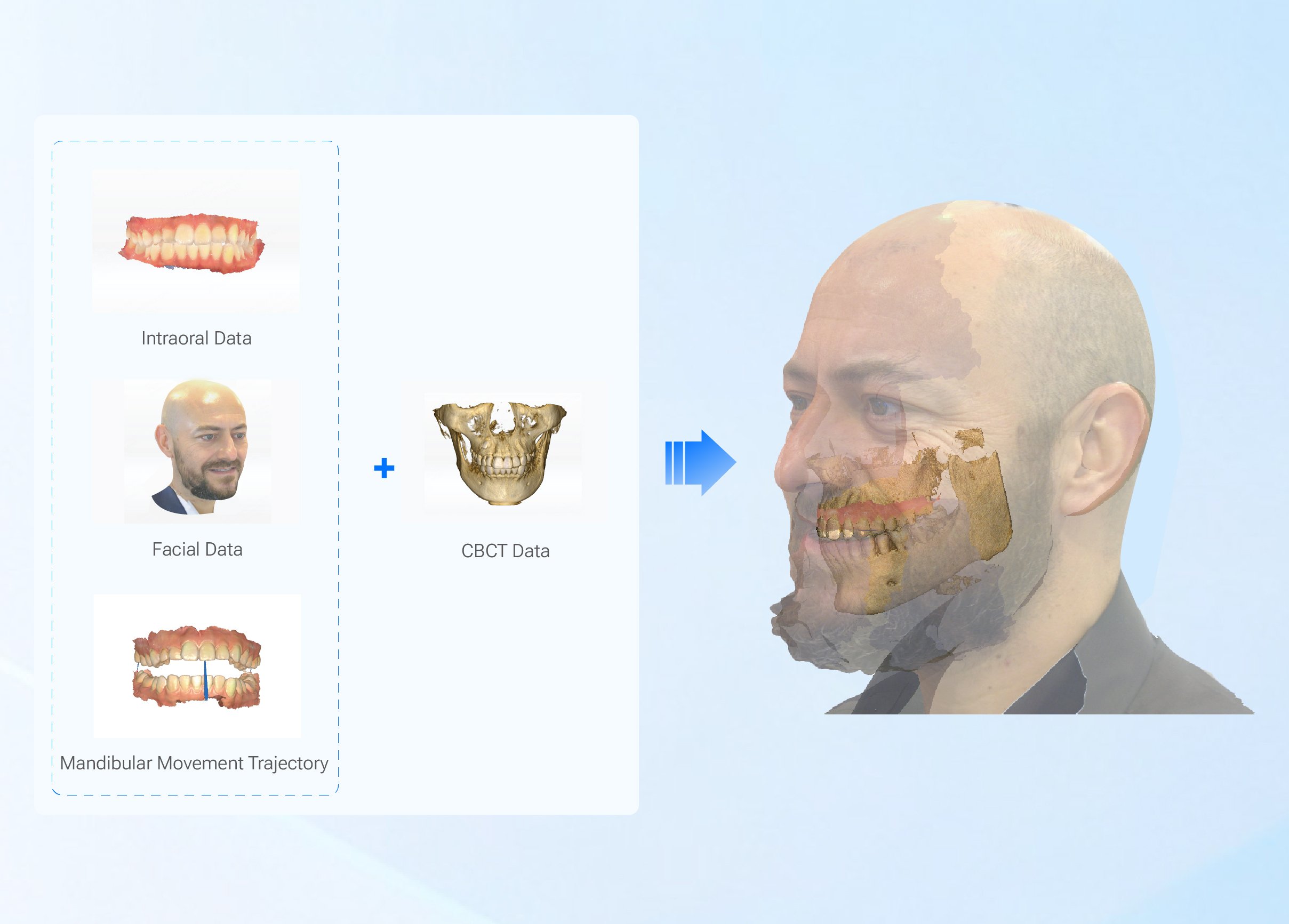
Capture controls win or lose the case. Verify scanner calibration, check soft-tissue neutral pose, and capture a separate occlusal record. Export in a stable format (STL or OBJ) and confirm scale and units before importing. Don’t accept partial facial scans when prosthetic alignment is required—document full-face, intraoral, and bite records together.
Plan: critical checks that prevent surprises
Start with prosthetic-driven planning. Define emergence profiles and restoration margins first, then place implants to support them. Lock the intended tooth axis before finalizing guides. Validate clearance for opposing dentition and check for screw-channel angulation conflicts. Use guided-surgery simulation to preview fit, and flag any soft-tissue adjustments needed for esthetic zones.
Manufacture: tolerances and verification steps
Match manufacturing specs to the restorative design. For milled parts, set toolpath compensation and sintering shrinkage factors up front. For printed components, validate layer thickness and post-cure distortion. Inspect indexed seating surfaces and try-in frameworks on a verified model before final glazing or anodizing. If a lab signs off digitally, require a labeled verification image and a signed checklist.
Common mistakes and how to avoid them
Stop redoing cases for avoidable reasons: don’t mix scanned bite with model-bite without cross-checks; don’t assume facial scans align automatically—verify landmarks; don’t skip a physical try-in when esthetics are critical. Assign one owner for data QC and one owner for lab acceptance; make them accountable for the pass/fail criteria.
Alternatives and brief evaluation
Intraoral-only workflows work for straightforward single units but struggle with full-arch esthetics. Desktop lab scanners deliver higher surface detail for casts but lack live soft-tissue capture. Software ecosystems vary: open systems give flexibility for multiple labs; closed ecosystems can reduce conversion errors but increase vendor lock. Choose based on case complexity, not marketing claims.
Real-world anchor
When rolling a multi-clinic digital program across Shanghai, teams matched facial capture to restorative planning using metismile for consistent records; that approach cut iterative adjustments in the lab. As a project lead who coordinated digital transitions and verified lab sign-offs, I relied on documented checkpoints rather than assumptions to validate each handoff.
Synthesis
Fix the weakest link: ensure repeatable scans, force prosthetic-led planning, and enforce manufacturing checks. Consistent implementation of those controls reduces remakes and improves patient predictability, which is precisely the operational value that SHINING 3D DENTAL enables through integrated scanning and lab workflows.