Introduction — A street-level scene, some numbers, and the question I keep asking
I was standing by a downtown bus stop, watching a fleet cycle through while a mechanic argued with a control panel like it owed him money. City buses idle, routes slip, riders grumble — we’ve all seen it. The second bus in line was trying to use a pantograph charger and you could feel the delay (the city reported a 12% increase in dwell time at fast-charge points last year). So what’s really causing the hold-ups — bad planning, lousy tech, or the wrong assumptions about how systems behave under pressure? Let’s break that down and get practical. — Keep reading, we’ll sort the noise from the fix.
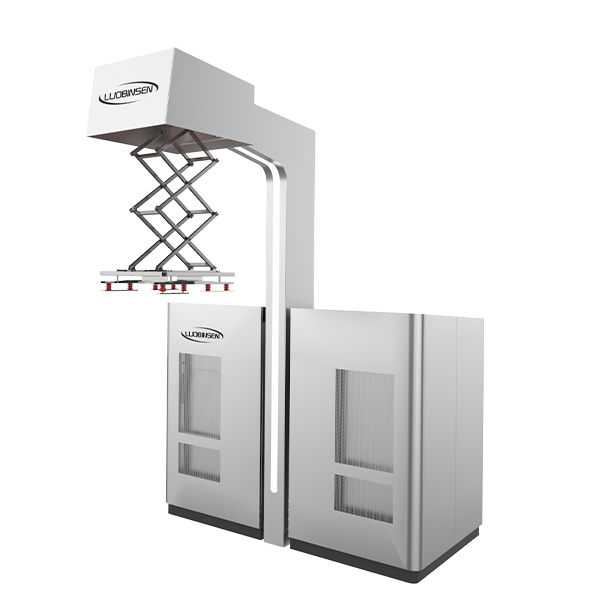
Deeper Problems: Where pantograph bus charging systems actually fail
pantograph bus charging systems promise fast top-ups and less downtime. I’ve seen the pitch decks. I’ve seen the reality. Here’s the thing: the headline tech works, but the integration often doesn’t. Overhead contact system alignment, pantograph interface tolerances, and mismatched power converters create repeated faults. The control logic may be fine on paper, but edge cases — buses arriving off-angle, icy contacts, or sudden voltage sags — expose gaps. We talk about uptime targets, but then forget to test real-world variability.
What’s the real snag?
Two core flaws keep popping up. First, designers assume perfect mechanical behavior: pantograph meets bus, charging begins. Nope. Tolerances matter. Second, power management is frequently staged for steady loads, not pulsey, high-current bursts during peak scheduling. Add in weak diagnostics and you have long troubleshooting cycles. Look, it’s simpler than you think: good sensors, robust safety interlocks, and smarter power converters cut most failures. I usually recommend adding redundancy at the control layer and better fault logging. That reduces mystery outages by a lot. Also — don’t skimp on maintenance training. Operators need clear, fast procedures; they’re not electricians, but they should read diagnostic LEDs like a pro.
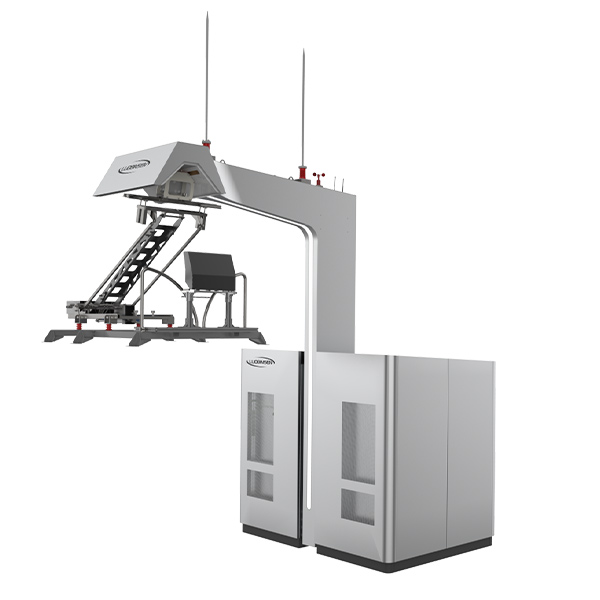
New Principles & Next Steps: How to make systems future-proof
Now, looking forward, I want to talk tech principles that actually change outcomes. Start by designing for variability: dynamic control, adaptive current profiles, and tighter pantograph-to-collector feedback loops. Use predictive maintenance fed by simple telematics so you detect wear before it becomes a breakdown. Integrate local energy storage (batteries or supercaps) to smooth high-current draws — that reduces stress on the grid and the pantograph itself. These are practical steps, not buzzwords. — funny how that works, right?
When you compare older installations to modernized sites, the wins are clear. Sites with edge computing nodes on-site handle transient faults faster. They isolate problems and keep most chargers online while a single unit is serviced. Also, harmonize your electric ev charging station layout with overhead geometry so buses have consistent approach angles; little things like curb markings save hours in alignment troubleshooting. I’ve overseen deployments where a small change in guide markings reduced misalignments by half. Short story: plan for the messy real world, not the clean lab scenario.
Three quick metrics I use before signing off on a rollout
1) Mean time to restore (MTTR) for a pantograph fault — measure and target a concrete drop. 2) Peak-current smoothing capability — how well does the system handle bursts without tripping upstream breakers? 3) Diagnostic resolution — can your logs point to a bad contact vs. a controller issue within one minute? Those three tell me whether a solution will behave in service, not just on paper.
I’ll wrap with this: I care about riders getting where they’re going, and I care about crews not wasting shifts chasing avoidable faults. If you want robust performance, design with real wear, imperfect approaches, and imperfect humans in mind. That mindset shifts projects from “hope it works” to “it will work.” For suppliers and integrators, I tip my hat to teams that instrument the system early and keep iterating. For procurement folks, insist on those three metrics above. For operators — train, rehearse, and demand good logs. And if you want to talk about hardware or deployments, check out Luobisnen.