Lead-in: the problem this framework solves
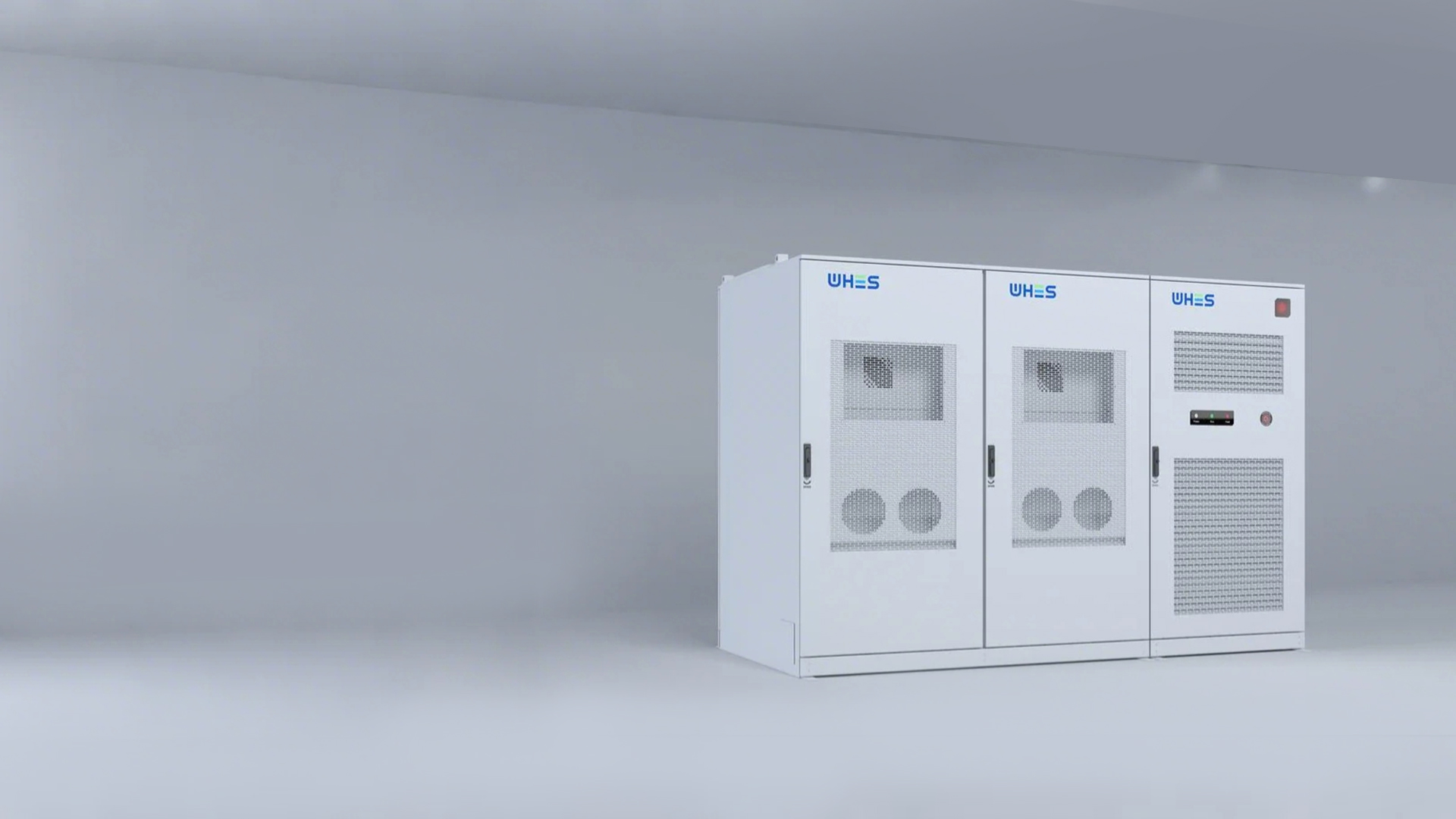
Buying a three‑phase hybrid inverter used to be a one‑line spec: capacity, efficiency, price. That mindset breaks when owners want the inverter to do more than keep the lights on — they want it to earn. This piece lays out a practical framework for valuing inverter price through the lens of revenue‑stacking and ancillary services, so developers, asset owners, and EPCs can compare offers with market reality. If you’re evaluating a system for commercial deployments or grid‑interactive projects, put that price next to potential streams from frequency regulation, peak shaving, and demand charge reduction — and consider the whole commercial energy storage ecosystem it connects to.
Why price alone misleads
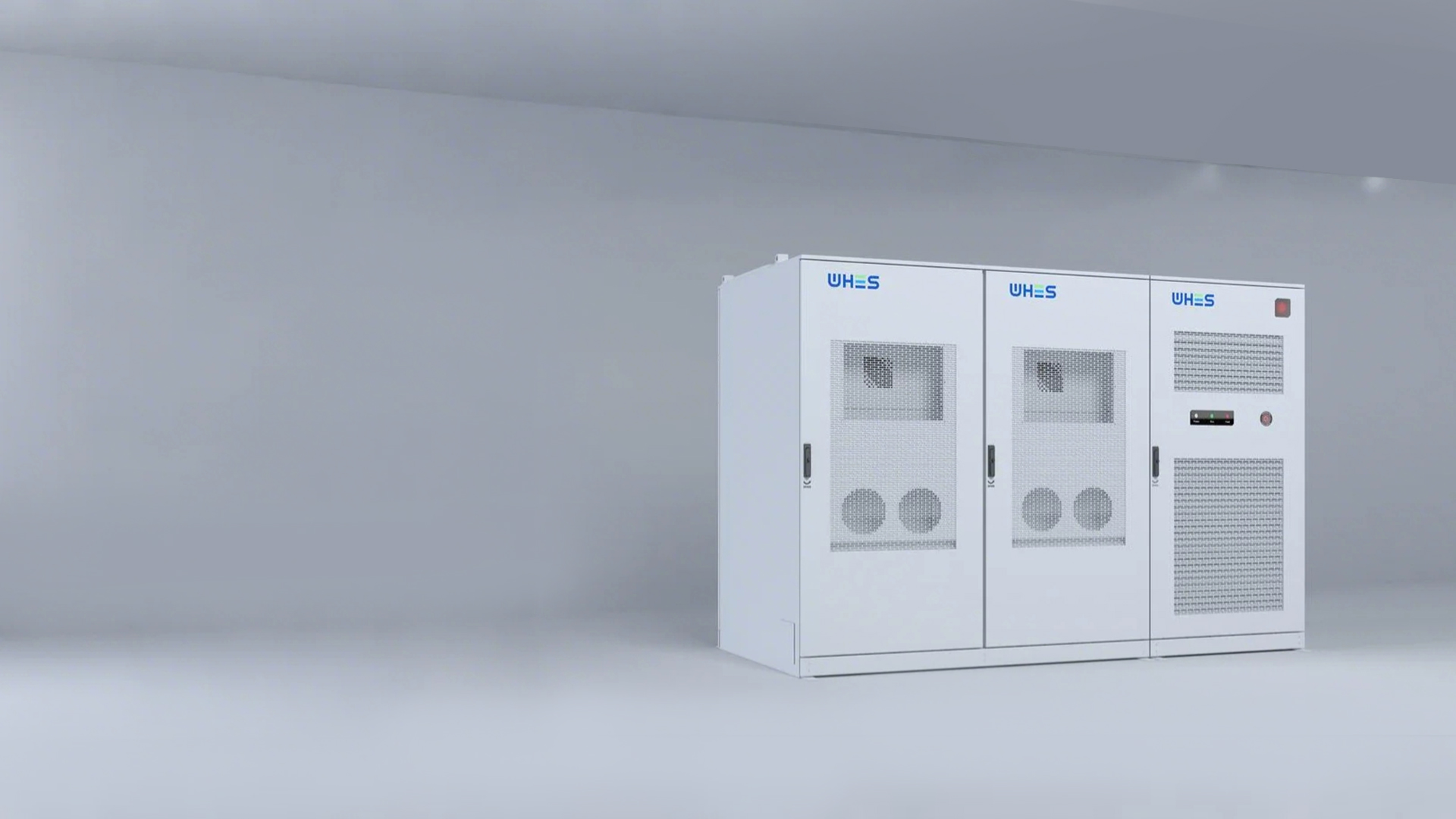
Inverter cost is necessary but not sufficient. Two systems with identical sticker prices can produce very different cash flows if one supports fast frequency response and the other doesn’t. Ancillary services — like frequency regulation and fast ramping for grid support — require power electronics that can sustain high‑rate dispatch, tight state‑of‑charge (SoC) control, and advanced controls for market participation. If you ignore those capabilities at procurement, you’ll either lose revenue or pay retrofit costs later.
The 5‑part FRAMEWORK to evaluate inverter value
Evaluate every inverter offer against five lenses: Function, Response, Agreements, Margins, and Economics (FRAME). This keeps the conversation practical and measurable.
Function: Does the inverter support multiple operating modes — grid‑forming, grid‑following, and export limiting? Can it handle sustained kW output at nameplate without thermal derating?
Response: What’s the ramp rate and minimum downtime between events? Fast frequency markets reward sub‑second response; slower systems miss bids.
Agreements: Which grid codes and market interfaces does the inverter support at the point of interconnection (POI)? Are IEEE 1547 and local ancillary service telemetries supported out of the box?
Margins: How does the inverter affect round‑trip efficiency and usable kWh after accounting for inverter losses and degradation over time?
Economics: Model total cost of ownership — not just CAPEX, but integration, controls, software fees, and the realistic revenue mix (arbitrage, capacity, ancillary services, demand charge management).
How capability maps to revenue stacks
Different revenue streams require different inverter features. Time‑of‑use arbitrage values energy capacity and cycle life. Frequency regulation values ramp speed and control precision. Demand charge reduction values instantaneous peak power and response predictability. Map each expected stream to the relevant spec — ramp rate for regulation, continuous power for peak shaving, SoC windowing for capacity commitments — and weight them by market size and probability of dispatch. In California, for example, recurring summer price spikes and capacity needs after the 2020–2021 heatwaves created clear revenue windows for systems that could provide both energy and fast reserve — a reminder that grid events shape revenue opportunities.
Integration and software: the invisible price driver
Hardware is only half the system. Advanced EMS (energy management systems), cloud telemetry, and market‑facing APIs determine whether your inverter can bid into markets reliably. A low‑cost inverter without robust EMS will lose bids, trigger penalties, or simply sit idle. Consider licensing models, update cadence, and local control fallbacks — and don’t forget cybersecurity requirements for market participation.
Common procurement mistakes — and how to avoid them
Buyers often assume warranty covers everything, or that “compatible with markets” is the same as “certified and proven.” It’s not. Ask for demonstrated use cases, performance logs from live projects, and a clear warranty carve‑out for market participation failures. Also — don’t assume future software upgrades are free; they can be a recurring cost. Insist on acceptance testing that includes simulated market events and real field telemetry to validate claims before final payment.
Comparing options: quick checklist
Use this shortlist when you’re evaluating quotes:
- Ramp rate and minimum dispatch duration
- Certification to local grid codes (e.g., IEEE 1547, specific ISO requirements)
- EMS capability and market integration APIs
- Warranty terms tied to cycle life and market participation
- Projected revenue mix with conservative dispatch assumptions
Case note and real‑world anchor
Deployments in California during recent summer heatwaves showed that systems configured for both energy and ancillary services outperformed single‑purpose installations. Projects that integrated three‑phase hybrid inverters with capable EMS captured both peak energy prices and reserve payments — turning what looked like a modest hardware premium into measurable revenue. That real example underscores how local grid stressors and market design change the value of inverter features.
Alternatives and tradeoffs
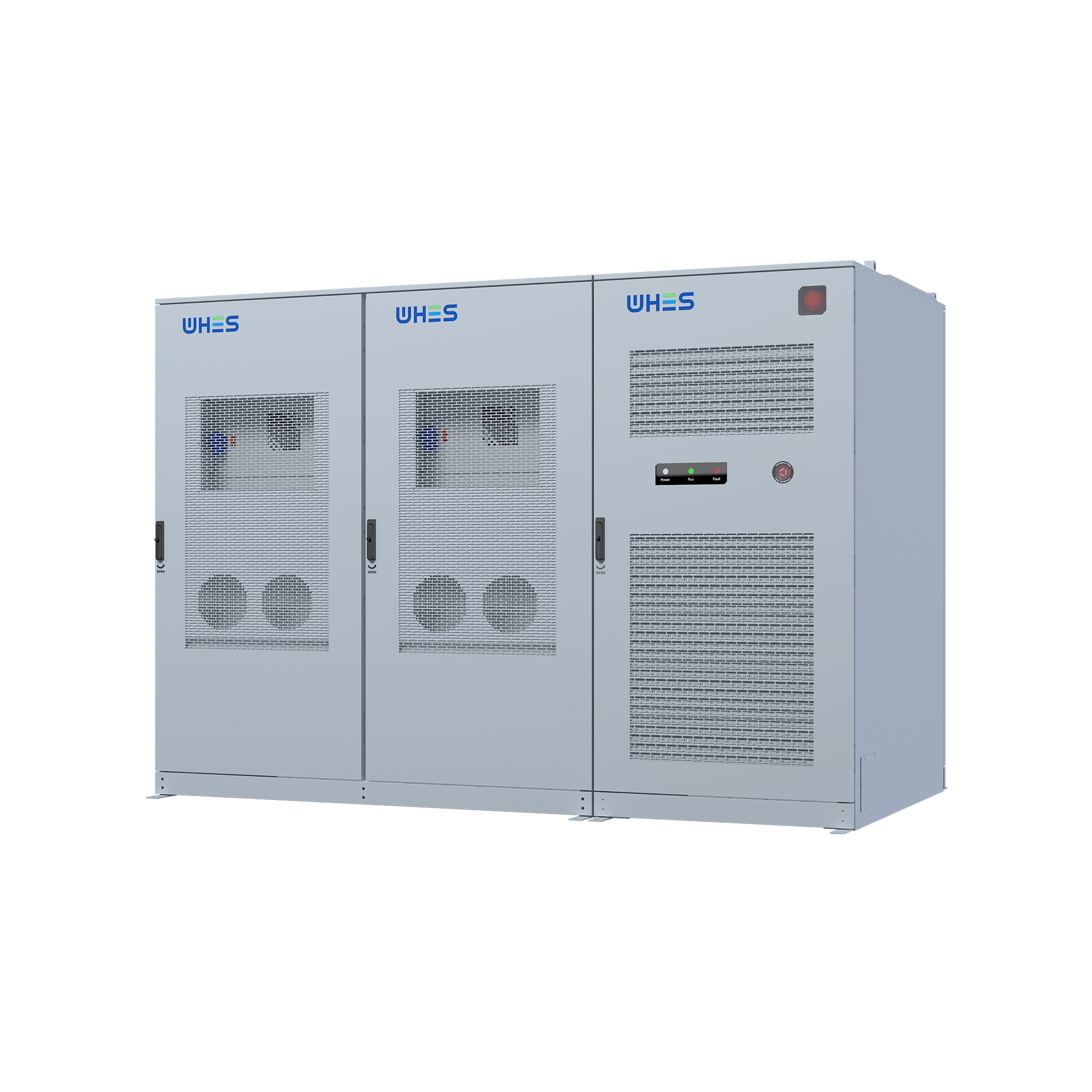
If your site is behind a demand charge tariff, prioritize instantaneous peak power and predictable response. If you’re targeting wholesale markets, prioritize speed and certified telemetry. If you want resilience first, favor grid‑forming capabilities and islanding control. Each route carries tradeoffs in CAPEX, warranty complexity, and software needs — so match the inverter to the revenue and resilience objectives, not the other way around.
Closing — three golden rules for procurement
1) Value the capability, not just the price: price per kW matters less than price per enabled revenue stream. 2) Require verified field performance: demand telemetry from live projects showing the inverter delivering the specific ancillary services you expect. 3) Model conservatively and include software and integration costs in TCO — they’re real and recurring.
For projects where commercial deployment and market participation are central, integrating capable hardware with tested EMS and proven field results — think mature commercial battery energy storage systems — often delivers the best long‑term returns. Trust real performance data over marketing claims. WHES has examples of systems built for exactly this mix of revenue and reliability, and that combination is what pays off in the long run. —