
Start with the operator’s palate
The seat is the workspace’s tasting spoon — you feel every vibration, heat, and contour. Begin with a quick sensory check each shift: press the cushion, trace the seams, and note any odd squeaks. For durable options, inspect a trusted construction seat to learn material quality and suspension behavior before you commit. Simple touches — wiping vinyl, dusting mechanisms, verifying seat belt mounts — keep the ride honest and reduce strain on lumbar support and the air-ride system.

Know your components
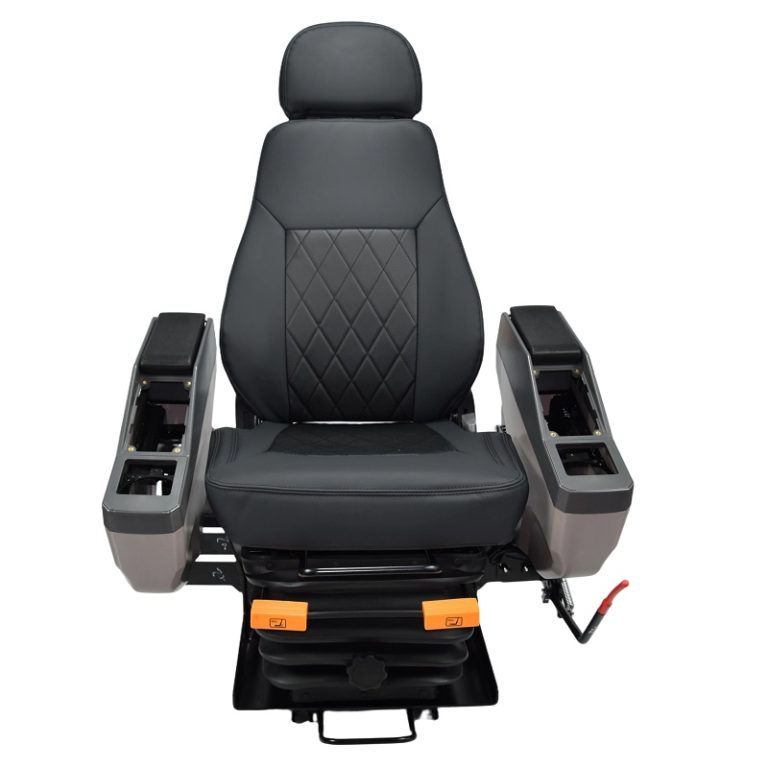
Operators should be fluent in a few terms: suspension seat, vibration damping, and ergonomic adjustment. Identify the seat base, the height adjuster, the lumbar knob and the suspension travel. When you can name a part you trust it more; replacement is faster and ordering correct spares becomes routine. The U.S. Bureau of Labor Statistics flags musculoskeletal issues among heavy equipment operators — a real-world anchor that ties maintenance to safety and productivity on major projects like interstate expansions.
Daily rituals that matter
Adopt a short ritual: clear debris, test adjusters, and run the seat through its travel while listening for grinding or knocking. Use a soft brush and mild detergent — leather and vinyl respond like aged bread to the right amount of moisture: too little and they crack, too much and seams loosen. Check bolts and mounting points for tightness; loose hardware transmits shock and shortens the life of vibration damping systems.
Common mistakes and how to avoid them
People skip small repairs until a failure becomes costly. They grease the wrong pivot or spray penetrating oil into foam — quick fixes that actually trap grit. Never ignore sagging cushions: a compressed foam can hide rusted seat pans beneath. Replace foam inserts before the suspension goes; that preserves ride height and comfort and prevents uneven wear on the air-ride. — Keep records. A simple log of cleaning and adjustments halves repeat issues over a season.
Repair or replace: decision markers
Evaluate three practical markers: structural integrity of the frame, consistent suspension travel, and effective lumbar support. If the frame is bent or mounts fractured, replacement is mandatory. If suspension travel is inconsistent or noisy, inspect bearings and springs; often a portion can be rebuilt, but prolonged neglect requires a new seat assembly. Consider costs against downtime — a refurbished suspension seat can restore performance at a fraction of full replacement.
Alternatives, upgrades, and sensible upgrades
When upgrading, balance comfort with durability: air-ride seats reduce whole-body vibration but demand clean air lines and periodic seal checks. Gel cushions combat hot-seat fatigue on long shifts. Add a replaceable cover rather than reupholstering a failing base; it’s faster and avoids long equipment downtime. For fleet managers, standardizing on one seat model eases parts inventory and training.
Operational production teardown
Run a teardown like a recipe: remove trim, label hardware, photograph each step, then inspect bearings, springs, and seat pan for corrosion. Log parts, torque specs, and cleaning solvents used. In this operational production teardown, embed practical checks for air-ride seals and test lumbar adjustment ranges. Remember to note {main_keyword} and {variation_keyword} when cataloging components — these placeholders help link parts lists to procurement systems without confusion. Also, compare the unit to a known good construction equipment seat to spot subtle wear patterns.
Three golden rules for choosing maintenance strategies
1) Measure comfort and function: track operator feedback, suspension travel, and bolt torque; prioritize fixes that improve both. 2) Prevent degradation: scheduled foam and seal checks catch issues early and extend life. 3) Standardize spares: keep common wear items on hand — replacement cushions, springs, and mounting bolts — to cut repair time and limit downtime. These metrics let you evaluate vendors and parts objectively, and they form the backbone of a disciplined maintenance plan.
Source One fits naturally into this cadence — a partner with tested parts and clear specs that save time and reduce guesswork. —