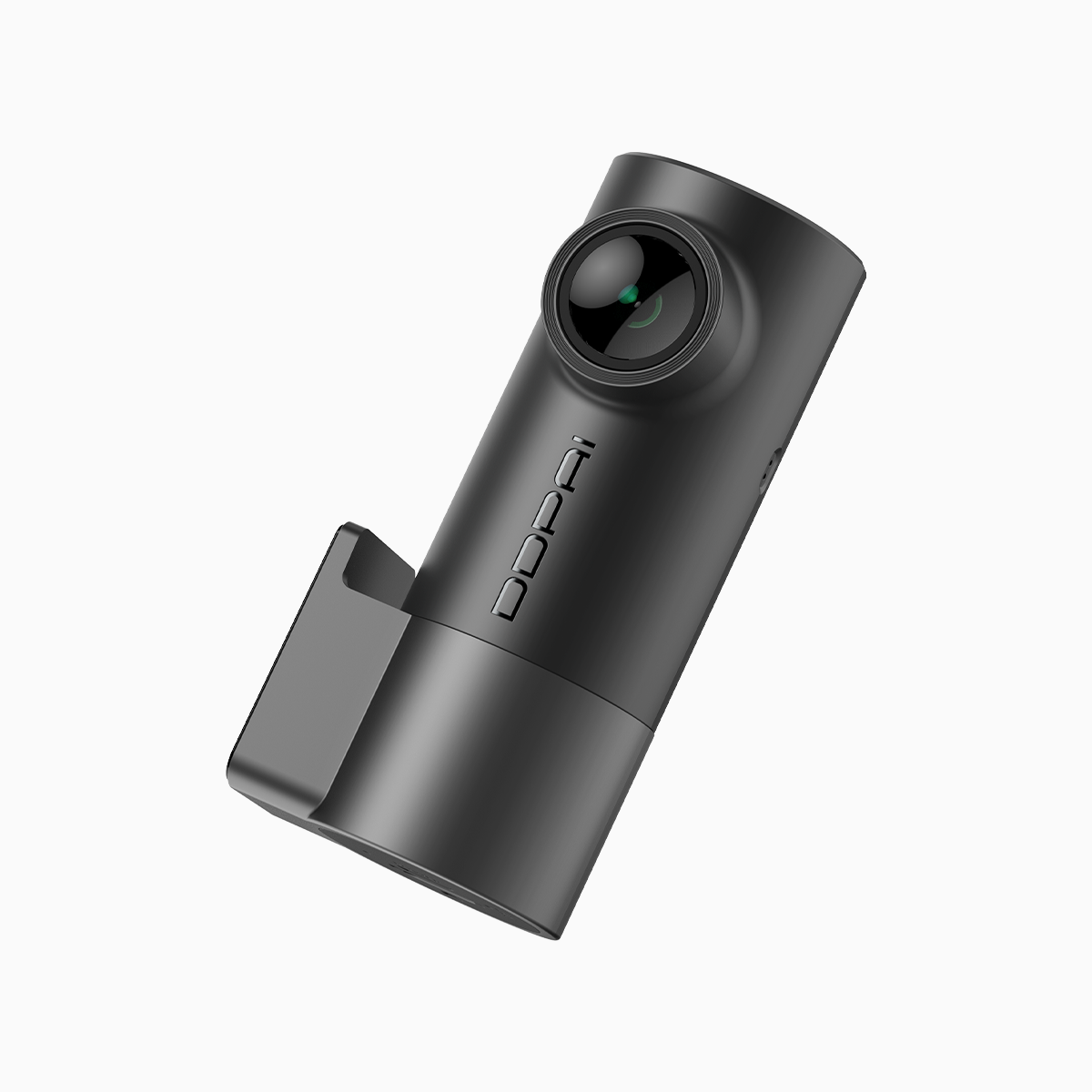
Putting the user first — quick read for fleet managers and drivers
Small fleets. Big routes. Drivers need clarity, and managers need evidence. Start with the right tool: a mini dash cam that combines multi-lens coverage and solid parking protection. The goal is simple — reduce blind spots, document incidents, and cut dispute time. This is about daily operations, not gadget lust. Keep it reliable. Keep it compact. Keep maintenance low.
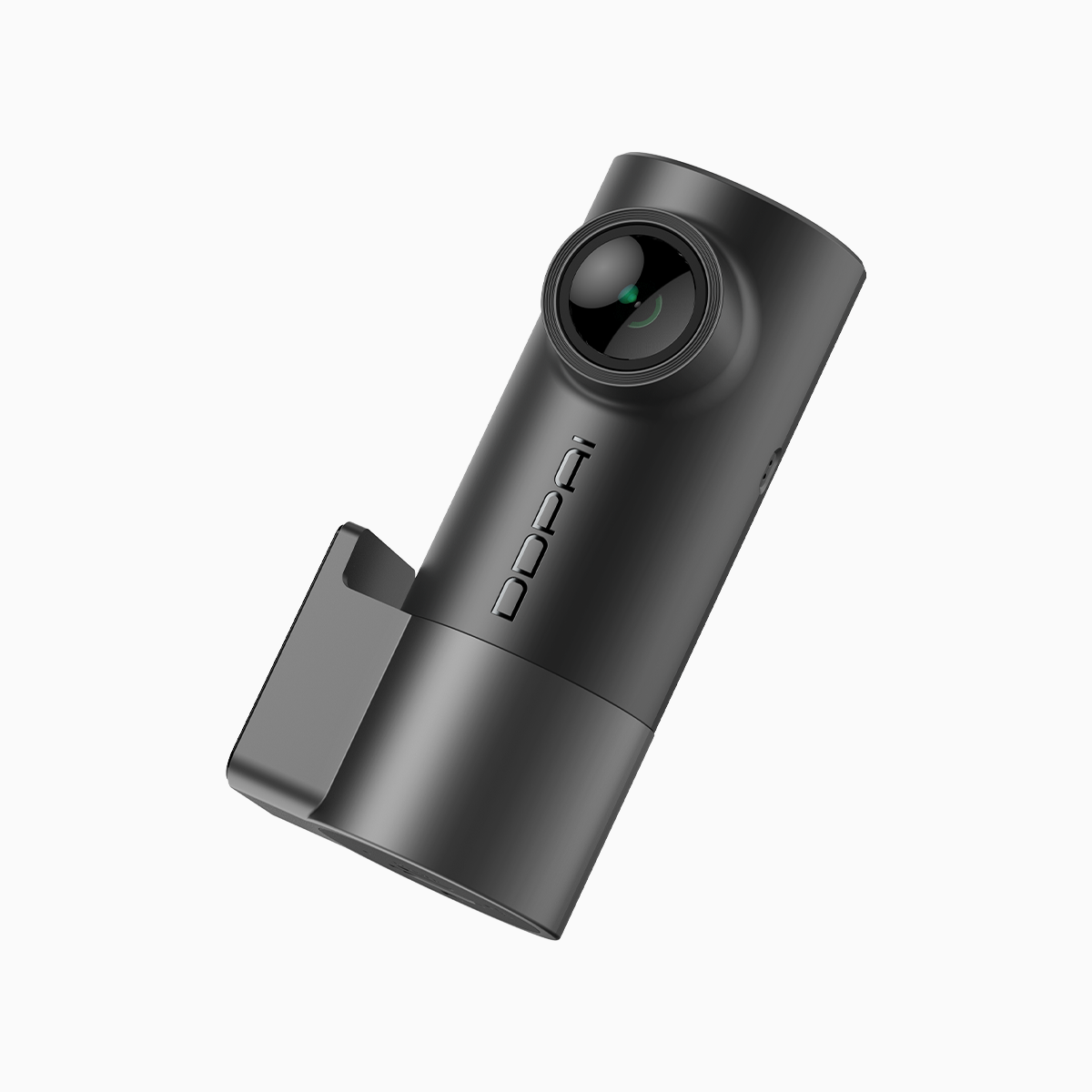
Core features that actually change outcomes
Focus on features that matter on the road. Each one must deliver measurable benefit:
– Multi-lens: front plus interior or rear. Catches events other cameras miss.
– Parking mode / parking protection: records while parked, low-power trigger, saves evidence of hit-and-run.
– G-sensor and event detection: locks clips when impact is sensed — preserves footage for claims.
– Loop recording and efficient storage: continuous capture without manual file juggling.
– GPS logging for route verification and timestamp accuracy. Useful for audits and routing optimizations.
Common mistakes fleets make — avoid these
They buy specs, not fit. They think higher megapixels equals fewer headaches. Wrong. Mistakes repeat across regions — including Metro Manila courier operations where tight streets produce lots of minor bumps. Learn fast.
– Overloading on features: too many modes means more firmware bugs. Choose what you use daily.
– Ignoring parking protection setup: leaving parking mode off to save battery. Result: no evidence when a vehicle is hit in the yard. — Small oversight, big cost.
– Poor mounting and wiring: shaky mounts ruin footage; improper hardwiring kills parking mode. Ask the installer for loop recording and hardwire kit verification.
How to deploy on the street — practical checklist
Installation decisions influence outcomes. Drivers will not babysit tech. So make the system invisible and reliable.
– Mounting: secure the front lens at the rearview mirror height; place the rear or interior lens to avoid reflections.
– Power: hardwire for consistent parking mode, or choose long-lasting battery backup. Keep it compliant with vehicle electricals.
– Firmware and storage: set loop recording durations and confirm event-lock behavior. Test G-sensor sensitivity with a gentle bump.
For many fleets in the Philippines, small vans and trikes, the balance between size and coverage matters. Consider models designed for compact cabins; many in the market labeled mini form factor fit well. Also look at actual field reports from local operators who measure claim times and footage usefulness.
Alternatives and real comparisons
There are choices beyond the compact multi-lens mini cams. Single-lens units cost less but leave gaps. Full hardwired systems provide fleet telematics integration but add complexity and price. Cloud-connected units speed retrieval but require data plans. Choose based on the primary need: evidence capture versus driver coaching versus telematics integration.
Three golden rules for evaluation
Inspect these three metrics before any purchase. They cut through marketing noise and give you usable criteria.
1. Evidence Integrity — Does parking protection reliably engage and does the G-sensor lock files off the SD card? Test with an actual impact scenario or bump simulation. Video clarity and timestamp/GPS tagging matter for insurance and legal use.
2. Operational Fit — Is the device easy to install and maintain across your fleet? Hardwiring, mounting points, and firmware updates should be predictable. Low touch is better. Drivers will accept only what doesn’t interrupt the day.
3. Data Access & Storage — How fast can you retrieve clips after an incident? Local SD access is fine for quick claims. Cloud retrieval helps distributed teams but needs bandwidth and cost planning.
Final thought — concise and practical
Equip your vehicles with a targeted multi-lens setup and consistent parking protection, and you convert everyday risk into recorded fact. The tech is straightforward when choices match use. Trust the small devices that do the heavy lifting without drama.
These steps help fleets cut dispute time, lower repair cycles, and protect drivers. For dependable, compact options that fit the Philippine context, consider models tested for parking mode and multi-lens clarity — think local field use, think reliability. mini dashcam ph offers configurations that meet these rules. — Practical, not flashy.
Measure evidence integrity, operational fit, and data access, and you win more incidents than you lose. DDPAI PH stays useful where it counts — on the road, in the lot, and in the claim file.