Defining the Tech Stack Behind Modern Decorative Lighting
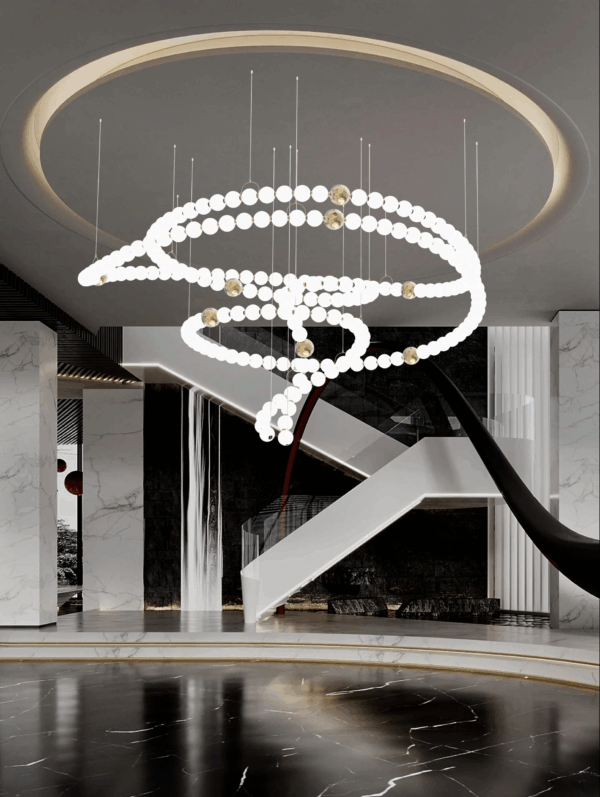
Think of a boutique hotel lobby at dusk. The brief calls for warm tones, soft transitions, and zero glare. A decorative light supplier sits at the center of that request. Yet the real work spans optics, control, and energy flow. A custom lighting manufacturer maps this stack end to end and turns a mood into hardware and code. In one retail study, poor dimming curves wasted up to 22% energy per evening. Another dataset showed early failures tied to heat, not LEDs, in 68% of cases. So, what do we really buy when we “buy a fixture” (hint: not just a shell)?
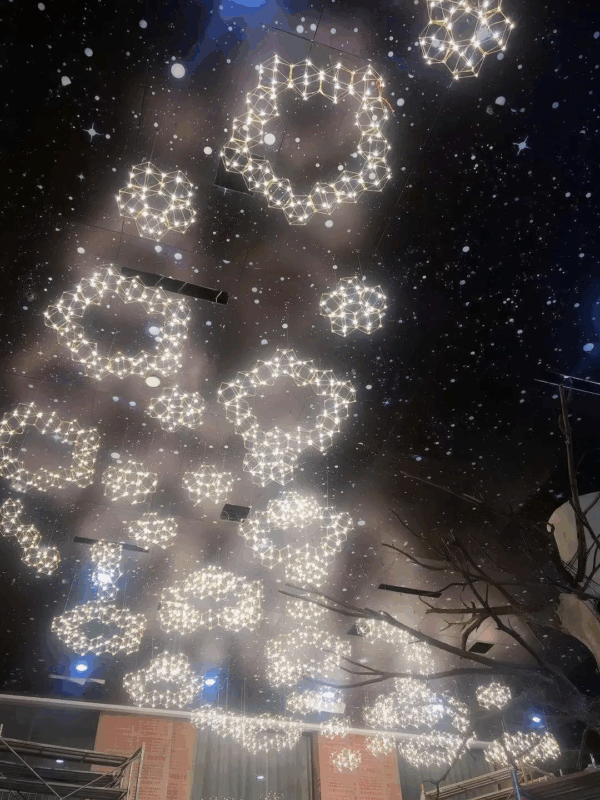
Let’s break the system. Power converters feed stable current. Optics shape photometric data to the target lux. Thermal management protects lumen maintenance, hour after hour. Controls act as the brain: DMX512 or BLE mesh decide timing and fade. When one link slips, scenes flicker, drivers buzz, and uptime falls — funny how that works, right? The question for you is simple. How can a spec translate to stable scenes across months, not just opening night? Here’s the pivot to watch as we move beyond catalogs and into integrated stacks. Now, let’s examine where the old approach gets brittle.
Where Traditional Sourcing Fails: Hidden Constraints
What actually breaks?
The legacy chain splits design from delivery. It looks efficient. It is not. Many teams still bid parts, not systems. That means drivers from one shop, housings from another, and controls added late. A custom lighting manufacturer sees the full stack and cuts that gap. Why does this matter? Constant-current driver limits set the ceiling on real dim-to-dark. Thermal pads and heat sinks set lifespan. If those are not matched to the PCB layout, lumen maintenance drifts fast. And IP65 sealing? It fails at cable glands long before it fails at the lens. Look, it’s simpler than you think: match power, heat, and control early, or you will chase noise and flicker after handover.
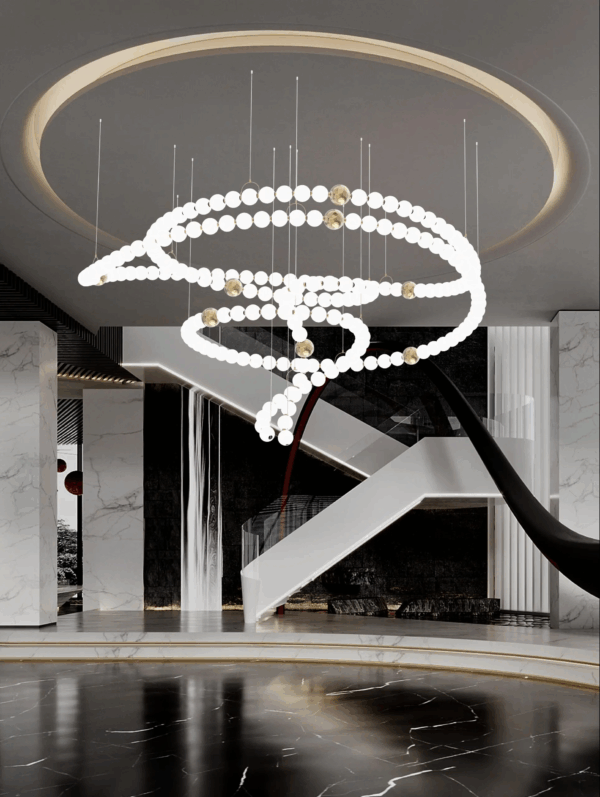
Another hidden cost is protocol mismatch. Sites want smooth fades for art walls, so they ask for DMX512. But late swaps to 0–10 V happen when stock runs low. The result is banding and short, choppy transitions. Then come service calls. Also, drivers get sized for peak load, not for scene averages. That hurts efficiency and runs hot. Over time, heat creeps into junctions and ages phosphors. You see it as color shift in mirrors and casework. The fix starts upstream: topology, not just parts, needs review and test against real scenes before install.
Comparing Next-Gen Stacks: How Smart Supply Changes the Brief
What’s Next
The next step is not more LEDs. It is better system logic. Modern lines use edge computing nodes inside track heads or canopies. These nodes run scene logic near the load, cut network chatter, and keep fades smooth during network hiccups. BLE mesh or DALI-2 can coordinate zones. OTA updates push new curves without a lift. Sensors feed occupancy and daylight to the node, not a cloud, which makes latency low and private. In short, control loops close fast. Pair that with constant lumen output algorithms and you lock color and brightness over years. It feels simple because it is built that way — funny how that works, right?
On the hardware side, matched power converters, correct surge protection, and verified SPI bus timing stabilize drivers under tough mains. Protective coatings and gasket design move from guesswork to repeatable IP65. Photometric data is then tuned to task: wider beam for textiles, tight spot for stone. When you compare bids from decorative lighting companies, ask who owns these links. If the answer is “we’ll integrate later,” expect on-site tuning to drag. If they show a pre-verified stack, you gain time and fewer callbacks. This is not theory. It is a shift from part buying to system engineering, and it shows up as stable scenes, cooler gear, and fewer truck rolls.
To wrap, carry three checks into your next review. 1) Thermal headroom: prove junction temps with real duty cycles, not brochure loads. 2) Control fidelity: confirm protocol support (DMX512, DALI-2, BLE mesh) and dim-to-dark performance under actual drivers. 3) Evidence trail: ask for LM-80-based projections, surge tests, and OTA update policy for nodes and drivers. These metrics make bids comparable, and they cut risk on day two, not just day one. Consider them your shortcut from vision to verified light with partners like kinglong.