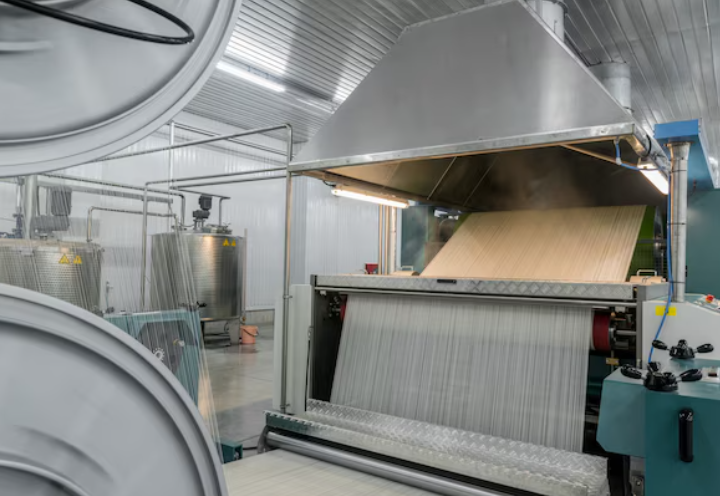
Problem statement: uneven heat and wasted fuel
Many factories face clear problem: furnaces give uneven heating, boilers burn more fuel than needed, and operators cannot keep product quality stable. This situation causes scrap, high utility bills, and frequent downtime. For plants using industrial burners, flame pattern and containment are often root cause rather than control electronics.
Why flame tubes matter — the core technical point
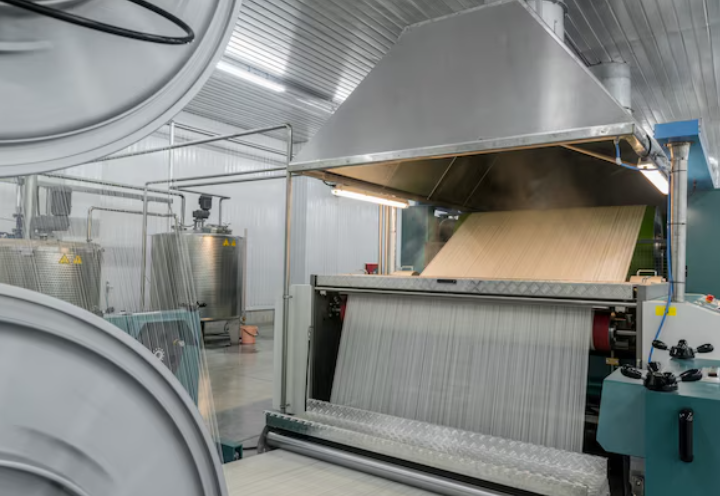
Flame tube acts as simple mechanical moderator. It shapes flame length, stabilizes combustion zone, and reduces direct radiation to chamber walls. When designed correctly, flame tube moves heat where process requires it, not where structure suffers. This reduces local overheating and fosters predictable temperature profiles. Designers measure flame velocity, tube diameter, and port geometry; those three variables decide whether flame will attach, lift, or oscillate.
Real-world observation tied to custom burners
From field work inside a Tianjin steel plant adapting custom burners, engineers reported fewer hot spots and longer refractory life after fitting purpose-shaped flame tubes. This single change lowered maintenance frequency and improved product consistency. Such on-site results are typical when geometry matches fuel type and furnace load.
Common mistakes that create new problems
Wrong assumptions create trouble. People choose generic tubes for fuel that has different calorific value. Others install tubes without checking burner turndown or airflow balance. Too small port leads to flashback risk; too large port lets flame touch metal. Poor sealing allows recirculation and soot deposits. Avoid these errors by verifying tube-to-burner matching and performing a simple smoke test after installation.
Alternatives and trade-offs
Options exist: radiant tubes, premix burners, or baffles. Radiant tubes give uniform external radiation but add system complexity and require higher alloy materials. Premix burners may offer lower NOx but demand precise air-fuel control and risk flashback when used with long flame tubes. Flame tubes remain efficient choice when the objective is directional heat and straightforward maintenance. Choose by weighing thermal goal, emission limits, and maintenance capability.
Practical selection and maintenance checklist
Follow short checklist: confirm fuel type and calorific range; measure burner turndown ratio; select tube material for temperature and corrosive conditions; verify port geometry with CFD or empirical template; test flame at several loads; and schedule visual inspections to catch erosion or soot. Document each change; that record saves hours when diagnosing later.
Synthesis and how Career Burners fits the solution
Problem-driven focus shows clear path: identify heat distribution faults, match flame tube geometry to burner and fuel, and avoid common installation errors. This targeted approach improves quality and lowers operating cost. For teams seeking design-to-service continuity, trusting a partner that supplies engineering-led solutions complements plant capability, as seen in field adaptations; the practical value lies in solving the heat problem, not selling parts, and that is the value offered by Career Burners.
