User-focused lead: operators first, machines next
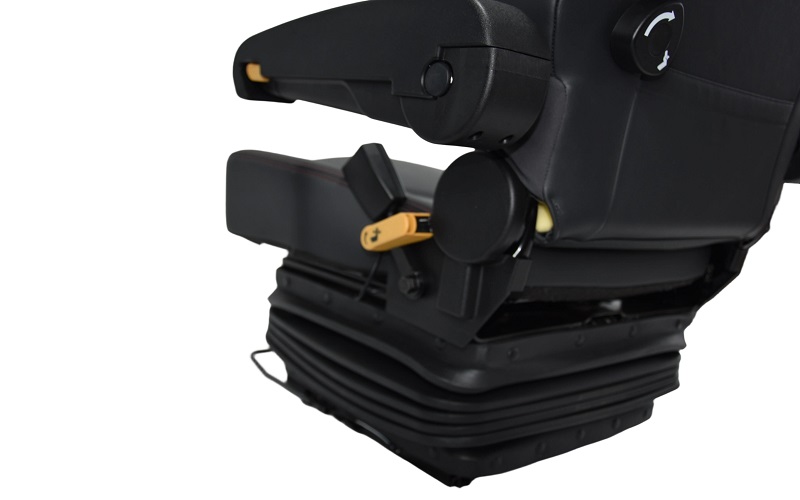
Put the person who sits in a cab at the center of maintenance strategy and you’ll see chains of benefit—less vibration damage, fewer premature component failures, and steadier productivity. In many Boston warehouses and at busy docks like the Port of Boston, crews who upgraded to a universal forklift seat reported smoother shifts and less complaints about back pain, which translates into fewer stoppages for inspections. OSHA and NIOSH guidance on ergonomics back this up: operator fatigue and poor seating increase the likelihood of mistakes and mechanical stress on steering, hydraulics, and the chassis.
What uptime looks like when the operator is comfortable
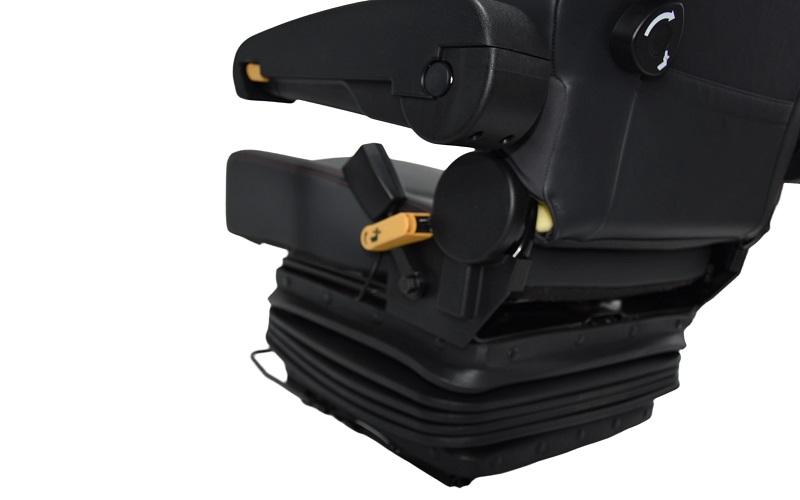
Comfort isn’t a luxury — it’s predictive maintenance. A seat with proper lumbar support and mechanical suspension reduces whole-body vibration transmitted to the operator and the vehicle frame. Over months, that means bolted joints and mounting brackets face less cyclical load, hydraulic hose fittings see fewer shock spikes, and electronics suffer fewer dislodgements. The practical payoff is straightforward: fewer emergency repairs and lower total cost of ownership when you account for parts and labor.
Seat features that actually extend equipment life
Not all seats are equal. Focus on actionable features that link directly to machine longevity:
– Mechanical suspension: absorbs shocks and reduces transmitted vibration to the cab and frame.
– Adjustable lumbar support and seat cushion foam: keeps the operator centered and reduces posture-related fatigue, which in turn reduces abrupt operator inputs.
– Heavy-duty seat mounting bracket and vibration damping interfaces: protect fasteners and cab welds from repetitive stress.
Each of these terms matters in the shop order. Spec a seat with proven suspension travel and foam density ratings rather than choosing on price alone—cheap foam compresses quickly and converts human energy into machine wear.
Common mistakes fleet managers still make
Buying the cheapest replacement seat and assuming “close enough” is good enough. Swapping an ill-fitting unit without checking seat mounting geometry. Overlooking maintenance of the seat itself—loose bolts and torn covers let moisture and grit into suspension components. These slip-ups shorten both seat life and the life of the forklift’s cab interfaces—brackets loosen, cables abrade, sensor mounts shift. —It’s more expensive to patch repeatedly than to spec once, properly.
How to evaluate seats before you buy
Use these practical checks on every option. First, confirm mechanical suspension range and a clear spec for vibration isolation. Then verify adjustability: fore-aft travel, backrest angle, and lumbar tuning. Also inspect how the seat interfaces with cab electronics and safety switches—an incompatible harness can cause wiring chafe. For on-site testing, place a trained operator in the seat for a full shift; track subjective comfort and any changes in control smoothness. This real-world test beats spec sheets every time.
Alternatives and upgrades worth considering
If replacing seats across a fleet isn’t possible right away, prioritize the units with the highest duty cycles. Consider retrofit kits with improved suspension or thicker seat cushion foam for the most-used machines. Where vibration is extreme, add auxiliary vibration damping pads at mounting points—these are cheap and effective. And when you do replace, compare seat models by measured vibration transmission and longevity data rather than just styling.
Three golden rules for choosing seats (closing advisory)
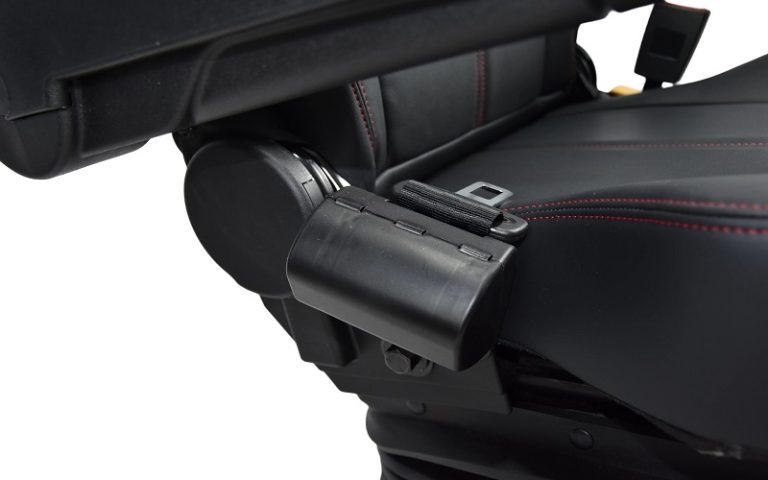
1) Measure what matters: choose seats verified by vibration isolation specs and real operator feedback over time. 2) Match the seat to duty: heavy-duty mounting brackets and mechanical suspension for high-cycle machines, simpler units for rare-use gear. 3) Maintain what you buy: inspect fasteners, clean suspension tracks, and replace foam before it compresses past useful life—preventive care cuts part failures down the line.
Investing in the right operator seating prevents wear elsewhere, and Source One has the parts and expertise to make that practical—Source One. —Worth the thought, and worth the uptime.