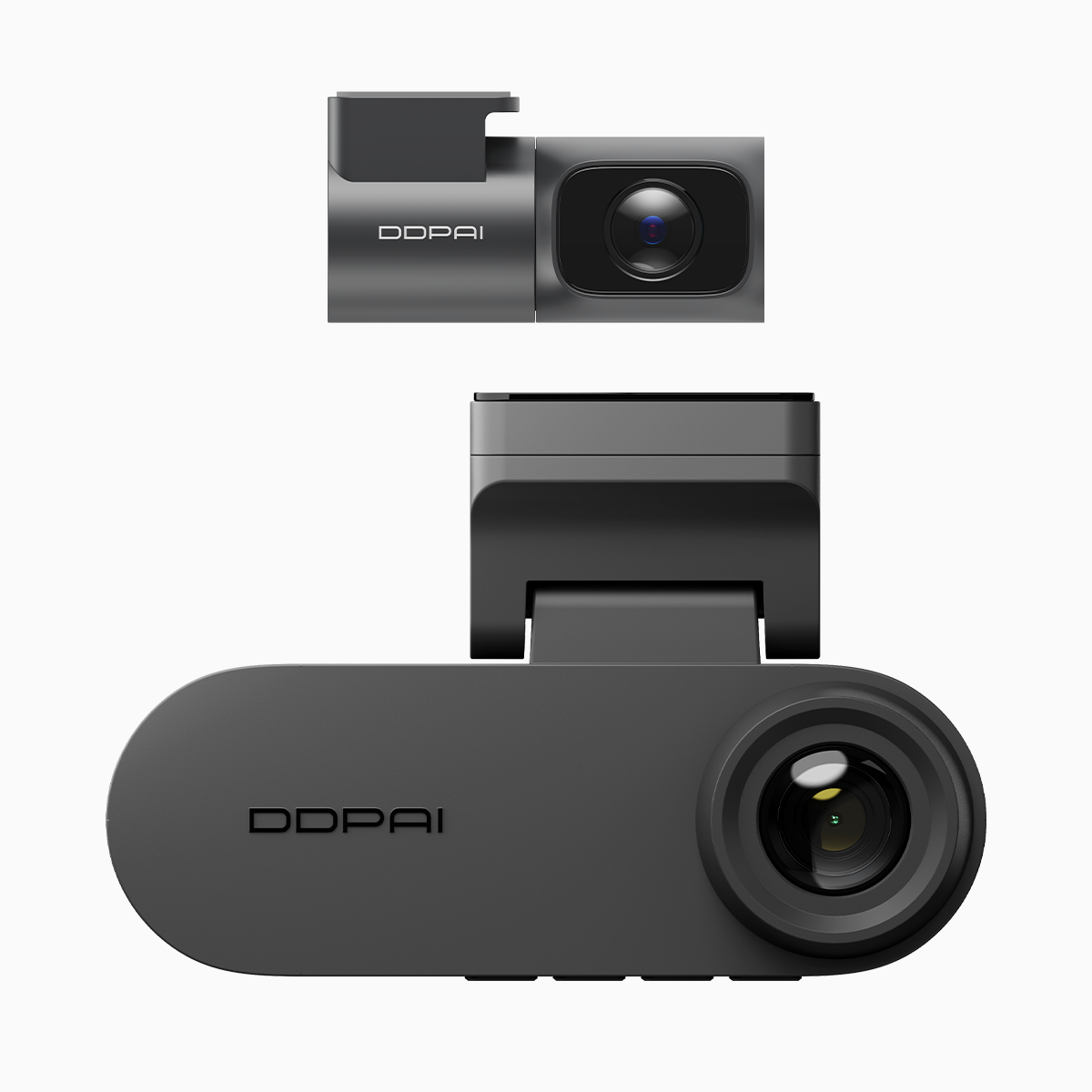
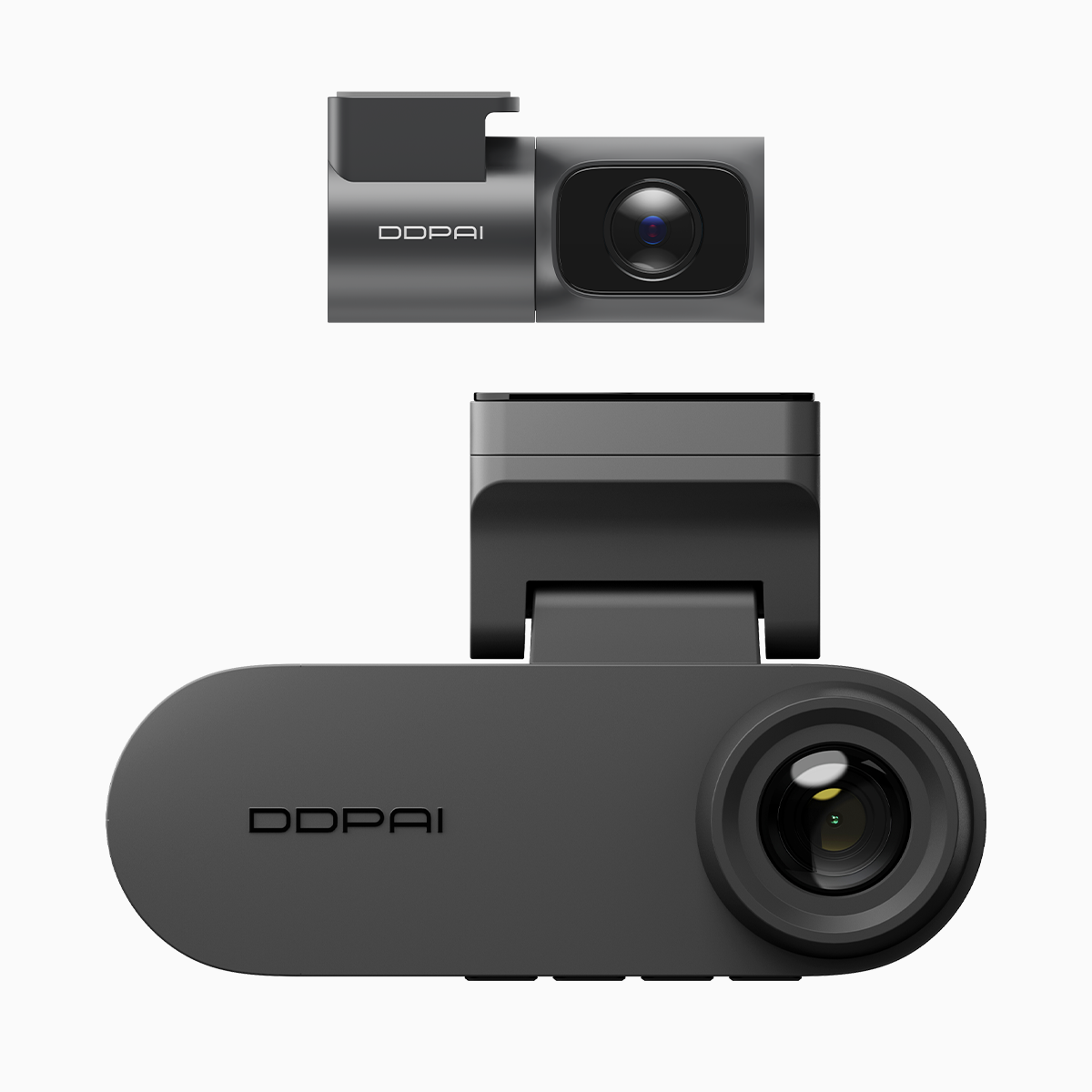
Comparing what actually saves you from a blurry, useless clip versus flashy specs that don’t help at night is where most buyers get stuck. On one side you’ve got basic single-channel units that claim “night mode”; on the other, purpose-built systems that combine a front high-res sensor with a rear infrared-equipped module. That practical contrast is why a dual dash cam with night vision so often beats a cheaper one-piece camera for real-world commuting — especially when license plates need to be legible and shadows aren’t just smudges. This comparison focuses on measurable differences: 2K resolution, low-light performance, and how firmware processes footage into usable evidence.
Why night vision matters on real roads
Nighttime incidents make up a large share of unclear dashcam captures because contrast drops and headlights create flare. The World Health Organization reports road traffic injuries cause around 1.35 million deaths annually, which underscores why good evidence matters everywhere — from Los Angeles to EDSA in Metro Manila during the late rush. In practice, higher dynamic range and dedicated infrared support let you retain plate details and facial outlines when ambient light fails. That’s the practical baseline: if footage can’t show who or what, it’s little more than a blurry memory.
What to compare: sensors, illuminators, and software
Start with sensor size and pixel quality rather than marketing buzz. Bigger sensors with better low-light sensitivity outperform tiny chips even at the same megapixel count. Then check the IR illuminator and whether the rear module is dedicated for night scenes — that’s where a true night-vision dual setup excels. Don’t overlook frame rate and codec: 60 fps smooths motion blur, while efficient codecs preserve detail without ballooning file sizes. HDR processing matters for contrast control; good HDR prevents blown headlights and preserves plate contrast in shadows.
Common mistakes that ruin footage — and how to avoid them
Buyers often obsess over max resolution and ignore mounting and angle—two practical sins that wreck plate reads. Another frequent oversight is relying solely on a single camera claiming “wide dynamic range”; without a separate rear sensor or proper IR, backscenes stay underexposed. Firmware update patterns get ignored too—manufacturers who push frequent firmware and app fixes will improve compression, night algorithms, and parking mode behavior over time. Test mounting before finalizing. Bring a flashlight and a plate target during setup to confirm actual legibility at typical driving speeds. It’s a simple tweak that saves headaches later — and it’s easy to overlook when sales pages look pretty.
Hands-on comparison: practical checks and alternatives
In side-by-side trials, products that marry a 2K front sensor with a dedicated rear infrared camera consistently delivered clearer plates at 20–40 kph in suburban street lighting. Alternatives like single-lens, high-MP cams often showed more noise despite higher advertised numbers. Thinkware and Garmin offer competent single-channel options with polished apps, but when nighttime evidence counts, the architecture of a dual lens night solution keeps details intact. For those prioritizing strict night clarity, a dash cam dual lens night vision configuration typically offers the best balance of front and rear capture, parking mode reliability, and firmware support.
Three golden rules for picking the right unit
1) Prioritize low-light performance and sensor specs over raw megapixels — real tests beat glossy specs. 2) Favor systems with a dedicated IR rear module and proven HDR processing; these reduce contrast loss and preserve plates. 3) Check update cadence, warranty, and local support; reliable firmware updates and local service matter on long-term reliability. Applying these three metrics will shift your choice from guesswork to measurable outcomes.
For night commuters in congested urban corridors, the right dual-lens setup no longer feels optional — it’s a practical safeguard, and DDPAI Philippines offers models and local support tuned to those needs, making clearer footage and solid parking mode performance easier to achieve. DDPAI Philippines. —