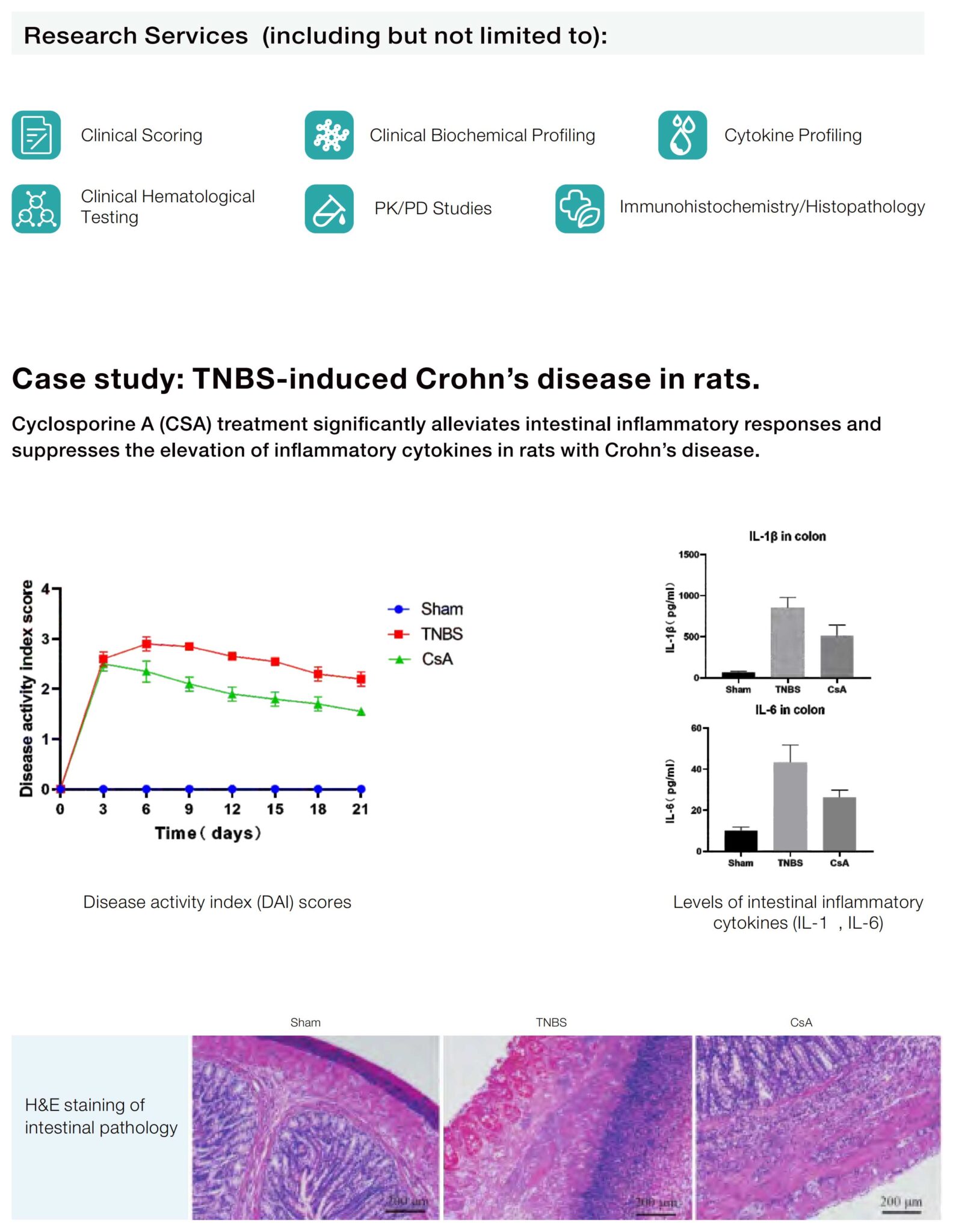
Successful implementation of a CDX mouse model begins with a clear framework that links biological rationale to operational practice. This piece outlines a structured, stepwise approach to deploy a cell-derived xenograft (CDX) — referred to hereafter as the CDX mouse model — for immunology trials, with specific attention to translational endpoints and reproducibility. Early-stage planning should reference available autoimmune disease models and align model selection with intended immunophenotyping and cytokine profiling outcomes.
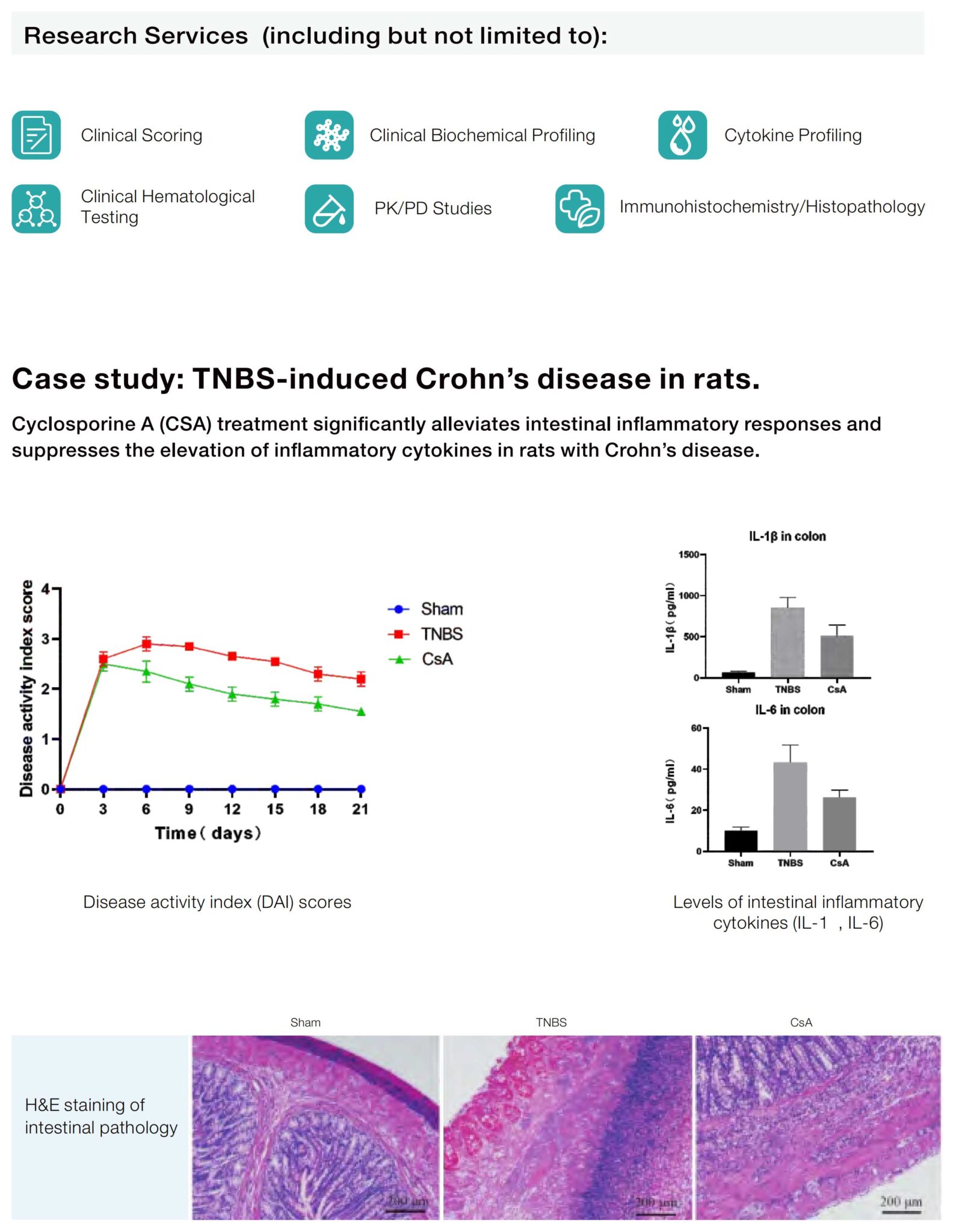
Framework Overview: Objectives, Endpoints, and Model Fit
Begin by defining primary scientific objectives: is the trial probing mechanism of action, dose–response pharmacodynamics, or combination immunotherapy? Select a CDX mouse model that faithfully reproduces the tumor microenvironment or inflammatory niche required for those questions. Match endpoints — for instance, engraftment rate, immune cell infiltration, or serum cytokine panels — to the hypothesis. Trade-offs will be explicit: some CDX lines provide robust engraftment but limited immune cell recruitment; others permit complex immunophenotyping but require more complex husbandry.
Selection and Characterization of the Cell Source
Rigorous source selection is critical. Use authenticated patient-derived lines or well-characterized cell lines with documented expression of target antigens. Perform baseline assays: mycoplasma testing, STR profiling, and dose–response viability. Characterize immunogenicity in vitro before implantation — this reduces variability in engraftment and downstream immunological readouts. Include early small-cohort pilot runs to confirm growth kinetics and to refine implantation sites.
Study Design, Controls and Randomisation
Design must incorporate appropriate controls: vehicle, isotype controls, and positive-control biologics where possible. Randomise animals at the point of implantation based on tumor volume or weight to avoid allocation bias. Power calculations should use historical variance from pilot data to estimate group sizes. Balance logistical constraints with the need for serial sampling for cytokine profiling and tissue immunophenotyping — serial bleeds can be limiting to statistical power if not planned.
Operationalizing Engraftment and Monitoring
Standardise implantation technique and post-operative care to reduce procedural variability. Monitor engraftment with caliper measurements and, where available, non-invasive imaging. Implement predefined humane endpoints and objective stopping rules tied to tumor burden and body condition. For immunology-specific trials, schedule terminal harvests to capture peak immune responses — for example, at defined days post-treatment when cytotoxic T‑cell infiltration or PD‑1 pathway modulation is expected.
Sampling, Assays and Data Integrity
Prioritise multiplexed assays that conserve sample volume: flow cytometry panels for immunophenotyping, multiplex cytokine arrays, and spatial immunohistochemistry when cellular context is essential. Ensure assay validation with positive and negative controls. Data capture must preserve provenance: date/time-stamped sample logs, chain-of-custody for tissues, and blinded analysis wherever feasible. Avoid ad hoc endpoint changes mid-study that invalidate comparisons.
Common Pitfalls and Practical Corrections
Many failures stem from underpowered pilot phases and inconsistent cell handling — these are avoidable. Do not assume engraftment uniformity across shipments; re-validate each lot. Overreliance on a single readout (for example, only tumor volume) limits mechanistic insight — combine tumor kinetics with immune markers. Plan logistics for assay throughput early; delays in sample processing degrade cytokine measurements — a small point that undermines study validity. — Calibration and disciplined SOPs restore confidence quickly.
Real-World Anchor: Regional Practice and Resource Alignment
Translational groups in Riyadh and regionally established centres, such as King Faisal Specialist Hospital and Research Centre, illustrate the benefit of integrating preclinical CDX studies with clinical specimen workflows; coordination reduces turnaround times and improves model relevance. Access to curated inflammation models and standardized reagents accelerates reproducibility across sites.
Advisory Close: Three Golden Rules for CDX Implementation
1) Metric: Prioritise engraftment consistency — measure and report engraftment rate per cohort as a primary operational metric. 2) Metric: Mandate multiplex immune readouts — require at least two orthogonal immunophenotyping assays (flow cytometry plus IHC or cytokine panel) as condition of study completion. 3) Metric: Enforce blinded endpoints and robust sample provenance to ensure data integrity and regulatory readiness. These rules yield measurable improvements in translatability and sponsor confidence.
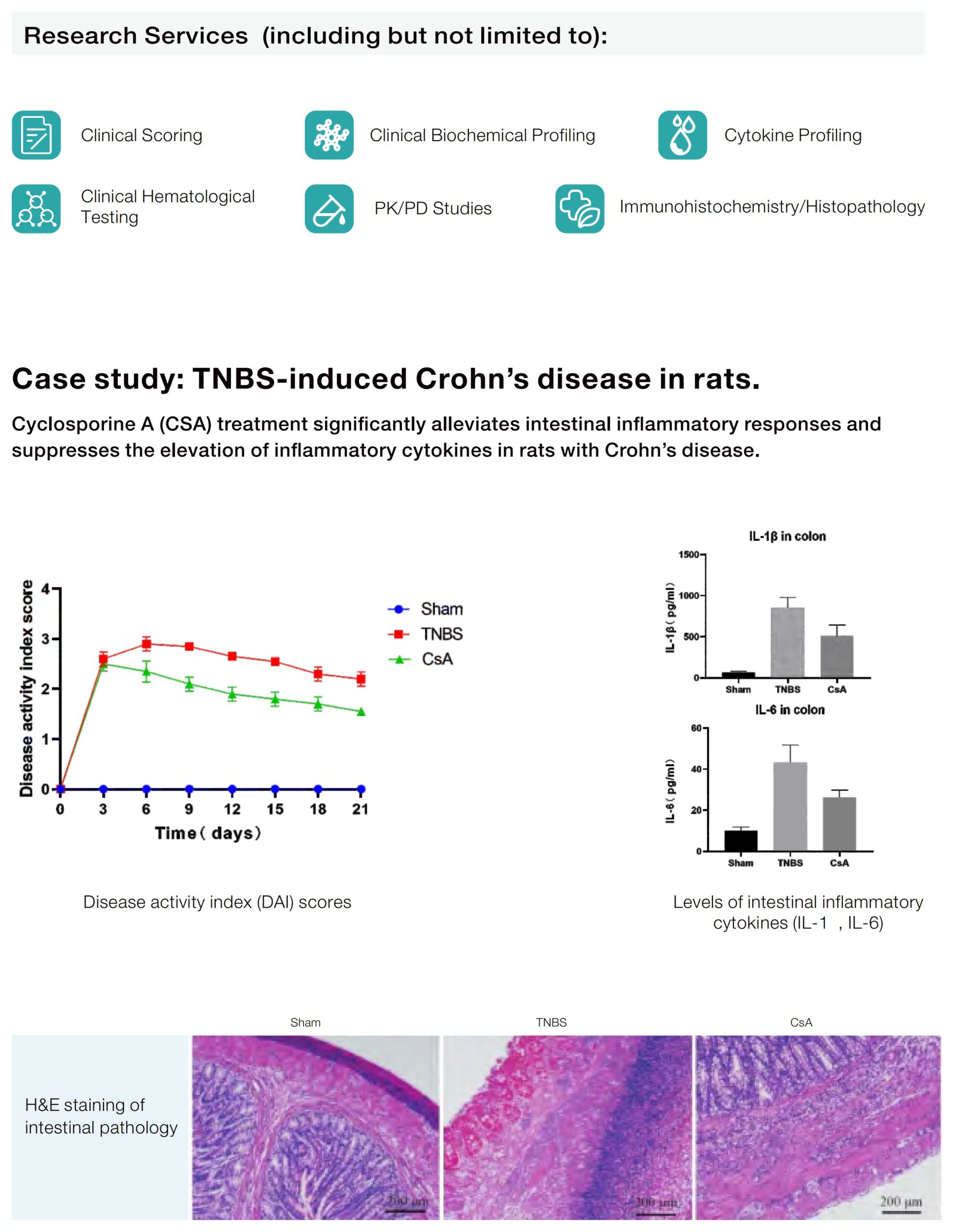
Jennio Biotech provides curated model panels and technical support that align with the framework above, making implementation more predictable and scientifically defensible. — Proven practices reduce iteration and accelerate meaningful results.