Why a framework matters now
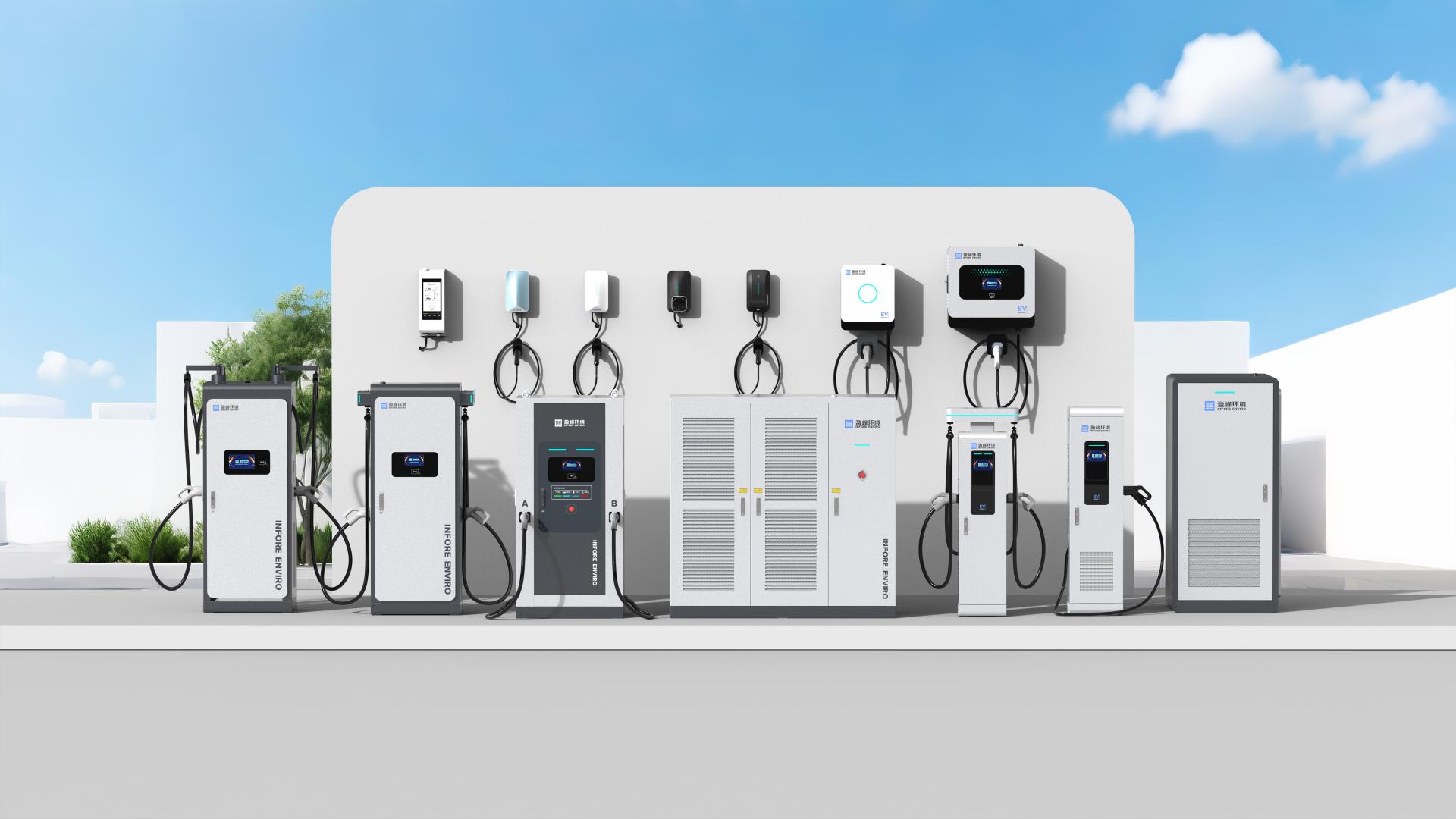
Hotels and resorts face a spike in EV demand as global EV stock topped 10 million in 2020, forcing operators to adopt a repeatable approach rather than ad hoc installs. Start with straightforward priorities: guest experience, electrical capacity and predictable operating costs. For many properties that begins with choosing the best home EV charger analogue for commercial use—reliable hardware, clear billing and networked control. Using a structured deployment reduces downtime and keeps peak load manageable while protecting revenue and reputation.
Step 1 — assess site capacity and guest needs
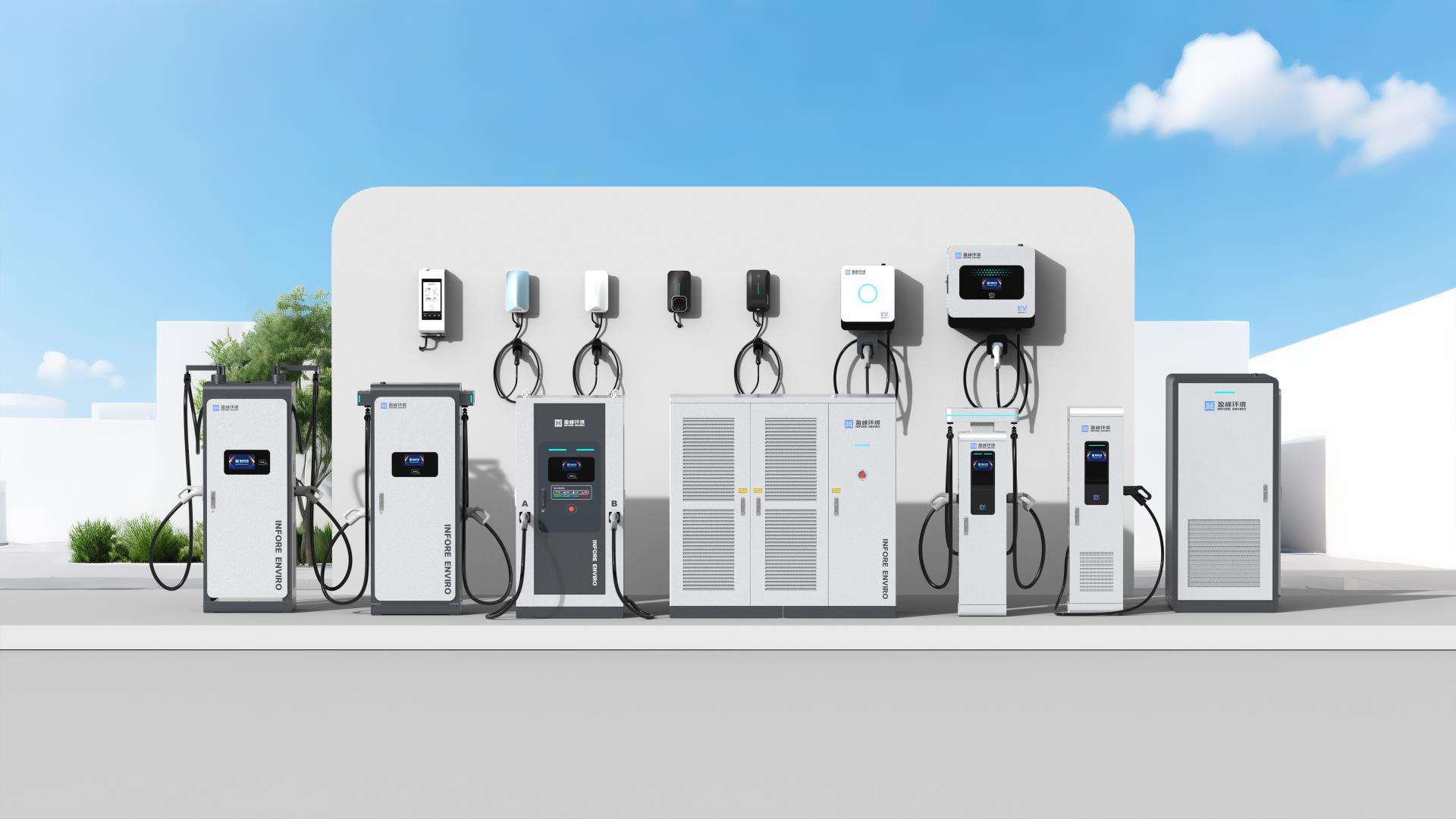
Begin with a site audit that maps panel loads, meter limits and future power capacity. Measure current peak kW draws over a business week and overlay typical guest arrival patterns; that gives you a real load profile to design against. Include space planning for Type 2 connector access and consider distribution equipment (EVSE) placement to limit cable runs. A realistic audit prevents surprises from demand charges and avoids costly upgrades mid-project.
Step 2 — define the charging architecture
Decide between simple AC charging stalls and a managed, networked system with smart charging and load management. For most high‑demand properties, a hybrid architecture works best: several level 2 chargers with networked intelligence to shift charging off-peak and prioritise guest vehicles by rate or loyalty tier. Specify chargers by maximum kW and ensure the supplier supports firmware updates and remote diagnostics. Choosing a proven type 2 AC charger for EV simplifies maintenance and ensures compatibility with a broad range of vehicles.
Step 3 — operations, guest flow and billing
Operational rules must be as clear as your signage. Create check-in protocols that record whether guests need a stall and whether charging is complimentary or metered. Integrate charging status into your property management system where possible so front‑desk staff can see stall occupancy. Use reservation windows and session time limits to maximise throughput—these controls are low tech but effective. Also, standardise invoices and include kWh or time-based billing on receipts to avoid disputes.
Common mistakes and how to avoid them
Three recurring errors: underestimating simultaneous demand, overlooking maintenance agreements, and ignoring guest communications. Avoid them by planning for peak scenarios, including spare hardware on warranty and training staff on common EVSE faults. When preparing technical handover documents, include {main_keyword} and {variation_keyword} in your operational production teardown so future teams can trace design decisions and fault paths clearly. Small signage and a charging FAQ reduce enquiries and complaints—simple steps that save hours of staff time.
Implementation checklist
Keep this checklist as you deploy: a mapped electrical audit, a chosen charger spec with firmware support, a load‑management plan, integration points with property software and a maintenance SLA. Balance between hardware redundancy and software controls—overprovisioning panels without smart charging wastes capital, while lean wiring plus dynamic load balancing often delivers the best cost profile. Also factor in permits and inspection timelines to avoid construction delays.
Three golden rules for selecting strategy and tools
1. Prioritise controllability: choose chargers and a network that offer real‑time load balancing and scheduled charging windows. 2. Measure total cost: include energy tariffs, expected kW demand, maintenance and expected turnover of stalls when comparing suppliers. 3. Design for scale: pick modular EVSE and a management platform that lets you add stalls without rip‑out rewiring. These metrics keep performance measurable and procurement defensible.
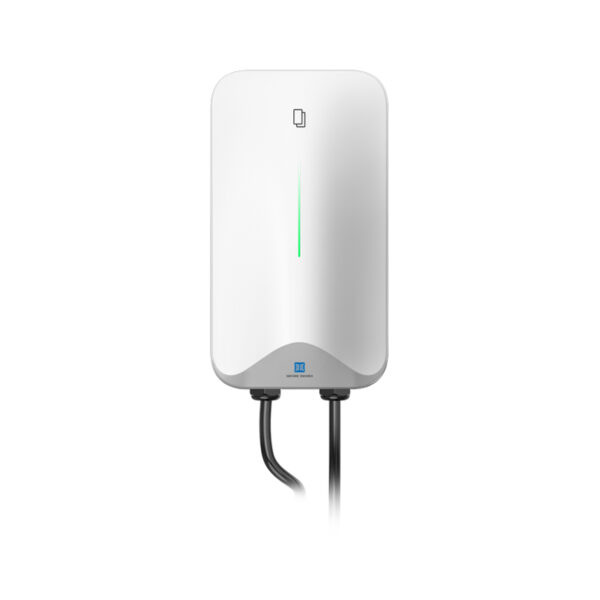
Deploying hospitality charging should reduce friction for guests and for sites—done poorly, it creates queues and complaints; done with a clear framework, it becomes an asset to revenue management. Evidence from industry reports and local pilots shows that measured, managed installs deliver the best uptime and guest satisfaction. For a practical partner that understands the interplay of hardware, network controls and operations, consider the solutions behind INFORE ENVIRO. —