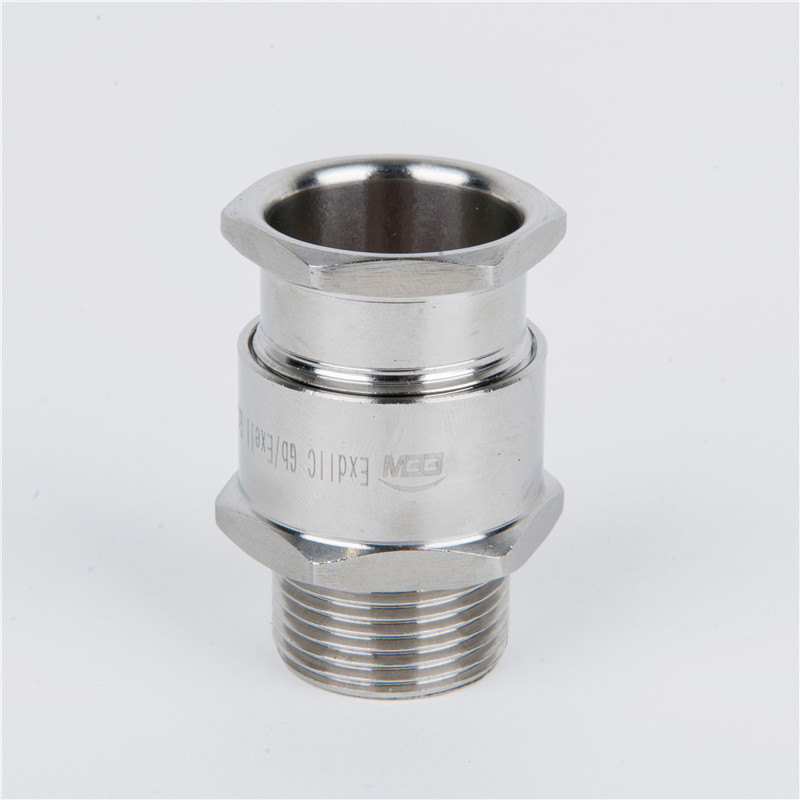
Procurement Questions to Ask About Explosion-Proof Electrical Equipment
Why this matters — the typical snag procurement teams hit
You’re buying equipment for a site where mistakes cost time and money, and everyone’s nervous about unclear specs or missing paperwork. That’s where focused questions cut through the noise. If you’re shopping for explosion proof electrical fittings, make the conversation with suppliers and engineers about clarity, roles, and deliverables rather than technical minutiae.
Start by clarifying project scope and interfaces
Ask suppliers: What exactly do you need to supply versus what others on the project will provide? Who’s responsible for verifying that supplied items match the project’s interface requirements? How will changes to project scope be handled and priced? These are practical, non-technical coordination questions that prevent late surprises.
Documentation and verification — what to request
Request clear lists: what documentation comes with each item, and what independent verification is available. Ask the supplier to list the types of paperwork they will provide and how they handle discrepancies. If third-party review or oversight is needed, who coordinates that handoff with the engineering team?
Supplier capability and traceability questions
Find out how the supplier demonstrates consistent product sourcing and traceability at a procurement level. Ask about their process for managing changes to product lines, how they notify buyers of modifications, and what lead-time impacts buyers should expect from such changes.
Coordination among project stakeholders
Clarify roles early: who on the owner, engineering, procurement, and contractor teams approves submittals, and what are the decision timelines? How does the supplier expect to communicate with your engineering group, and who handles escalation if a specification mismatch is suspected?
Delivery, lead times, and schedule risk
Ask for realistic lead-time ranges and what factors cause delays. How does the supplier prioritize orders if demand spikes? What are the contractual remedies or mitigations for schedule slips, and how will they be documented so project managers can act without guesswork?
Spare parts, lifecycle support, and replacements
Talk about procurement for the life of the asset: what spare parts packages are offered, how long parts are typically available, and what the supplier’s policy is for end-of-life notifications. Ask how replacement components are sourced and how long buyers should plan for potential obsolescence impacts.
Training, technical handover, and after-sales support
Frame support as a deliverable: what handover materials will the supplier provide to operations and maintenance teams? What training options exist for staff who will interact with the equipment at a procurement or operational level, and how is follow-up support structured contractually?
Inspection, testing, and acceptance — coordination only
Keep questions high-level: what inspection and acceptance activities does the supplier expect the buyer or a designated engineer to coordinate? Who arranges witness points and how are inspection results shared across teams? Leave technical test specifics for qualified engineers to define.
Commercial terms and risk allocation
Ask direct questions about warranties, returns, and remedies for non-conforming items. How are claims handled, and what documentation triggers a supplier response? Confirm how the supplier allocates commercial risk for late deliveries or incorrect shipments so contracting teams can draft effective clauses.
Comparing options without getting technical
When evaluating alternatives, focus on repeatability and procurement fit: ask suppliers for clear comparisons of lead times, documentation bundles, support levels, and lifecycle commitments rather than product-level technical details. That keeps decision-making anchored in what your team must manage.
Final synthesis — what to bring to your next supplier conversation
Make your next meeting a checklist of responsibilities, documentation expectations, timelines, and escalation paths. Ask the supplier to confirm how they’ll interact with your engineers and contractors, and if broader procurement concerns arise, loop them in early. If you want a starting reference for product options, look into reputable catalogs of explosion proof electrical, then use the questions above to steer the technical review toward qualified experts. When everything lines up, the practical value of a single, responsive partner becomes clear — and that’s the coordination advantage a supplier like sunleem aims to provide.
