
Opening pulse
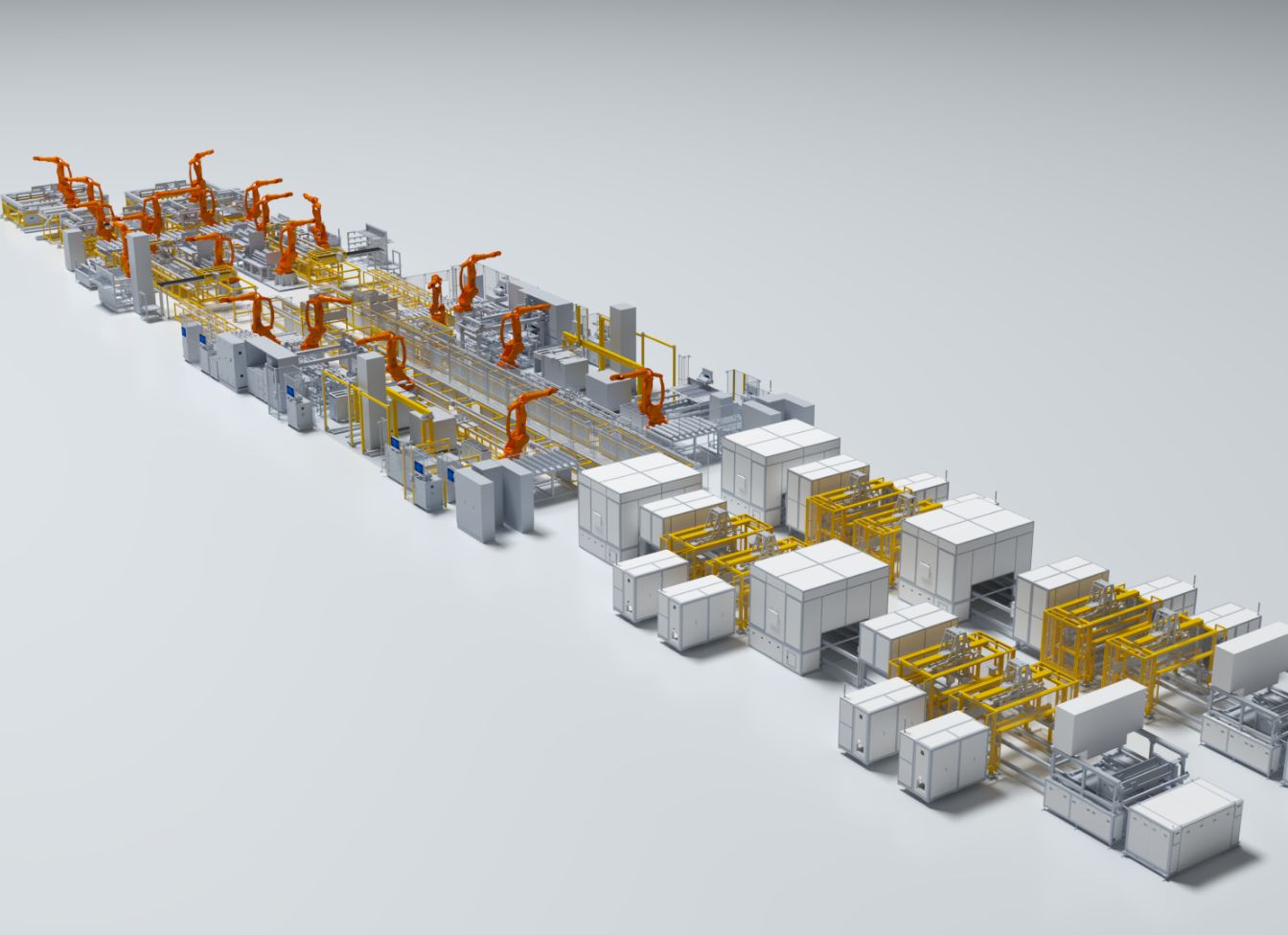
The factory floor used to be a chorus of men and machines; now the machines answer each other. I remember watching a quiet blade battery assembly line come to life — conveyors, vision systems, and torque-controlled robots performing a hard, precise ballet. This is the start of a story about change: simple steps repeated until they learn to adapt, and systems that once only executed now negotiate trade-offs in real time.

The early struggle
Pain was obvious. Manual handoffs created variability. PLC islands refused to talk to MES layers. Data stayed trapped in spreadsheets. That friction cost cycles and confidence. I’ve stood beside engineers who re-routed production mid-shift because one cell mismatch would spoil an entire pack. Those nights taught one truth: automation without connection is partial progress.
The turning point: a new cell, a new demand
Then came a wave of products that forced integration or failure. When CATL announced its blade battery concept in 2020, manufacturing had to scale precise stacking, consistent welding, and fast inspection — all without breaking takt time. That announcement forced factories to combine speed with traceability, and it revealed which automation patterns held up under pressure.
How connected automation grew — step by step
The evolution followed clear stages. First, deterministic automation: fixed recipes, hard stops. Then, sensing and feedback loops: vision checks, force sensing, inline IV tests. Finally, orchestration: event-driven middleware, synchronized takt across cells, predictive maintenance that stops faults before they cascade. Each step added a new requirement: richer data, lower latency, and clearer ownership of exceptions.
Concrete building blocks that work
Skip abstractions. Use these concrete elements: standardized fieldbus for deterministic I/O; edge compute for millisecond filtering; a single time-series backbone for traceability; lightweight messaging for orchestration; and an accessible historian for audits. Expect resistance from legacy PLC ladders and from teams protective of their islands. Pressure-test each block with real cycles, not simulations.
Where blade battery technology forces clarity
Blade batteries demand tight tolerances: layer flatness, weld integrity, thermal uniformity. That requirement exposes weak links in supply chains and control strategies. Integrating inline metrology with manufacturing execution is non-negotiable. For practitioners, that means designing control recipes that accept variance thresholds, tagging every cell with serialized trace data, and routing suspect units automatically to quarantine streams. For more on the cell form factor that drives these needs, study the practical constraints of blade battery cells.
Common pitfalls and how to avoid them
Don’t double-up data models. Don’t hard-code exception rules into robot programs. Don’t treat edge devices as disposable; they carry the truth of production. Mistakes to avoid: 1) building bespoke connectors when standard OPC UA or MQTT would do; 2) keeping analytics off-line until months after a run; 3) assuming human operators will catch all anomalies. Fixes are straightforward: standardize interfaces, stream key KPIs to the edge, and run short, instrumented pilots to reveal integration costs early.
Operational patterns that survive scale
Successful factories use three repeatable patterns: local autonomy with global governance (cells solve their own rhythm, but report exceptions centrally); semantic models for assets (one definition of “module X”); and graceful degradation (partial capacity keeps production moving while repairs happen). These patterns reduce firefighting and let teams focus on continuous improvement instead of triage.
The human element
Automation must respect craft. Operators must trust the system’s judgments. Train with real faults, not simulations. Keep interfaces simple: clear alerts, suggested remedial actions, and fast feedback loops that let operators validate fixes. That trust shortens mean-time-to-repair and prevents workarounds that undo automation gains.
Where this leads and what FHS brings
The arc is clear: manufacturing grows from islands to conversation to collaboration. The final step is not bigger machines but better listening — machines that share context and let teams act with certainty. That’s the kind of integration my teams have built alongside partners who understand both control logic and product realities; the firms that survive bring hardened stacks, practical integration patterns, and a willingness to stand on the line during a new product ramp. That expertise is reflected in providers like FHS, whose systems tie orchestration, traceability, and on-floor reliability into a single, usable flow, delivering the calm confidence that modern connected manufacturing demands.