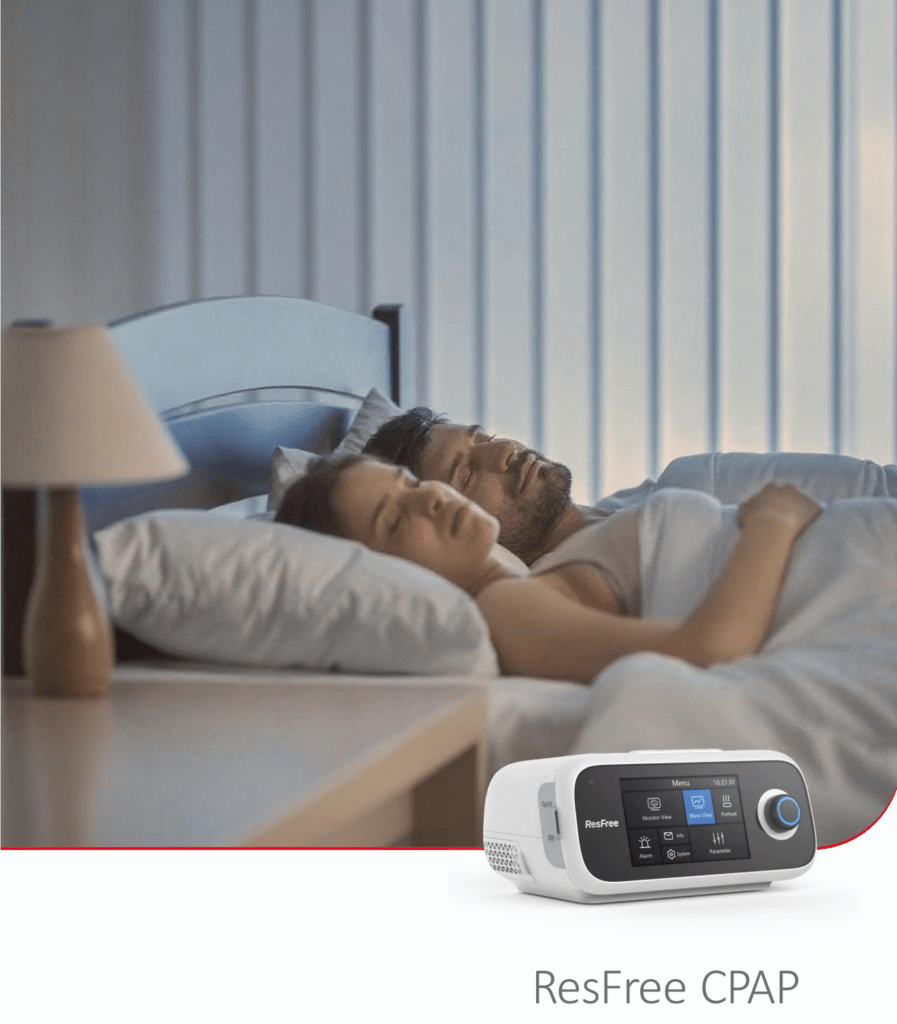
The problem: reliable respiratory support outside the ward
Acute and chronic respiratory failure is manageable in hospital, but many patients deteriorate once they return home. Care teams need devices that deliver consistent pressure, dependable monitoring, and easy integration with community workflows. A compact cpap device alone often lacks the control and data fidelity required for complex cases. The result: frequent readmissions, therapy non-adherence, and unclear clinical signals for adjustment.
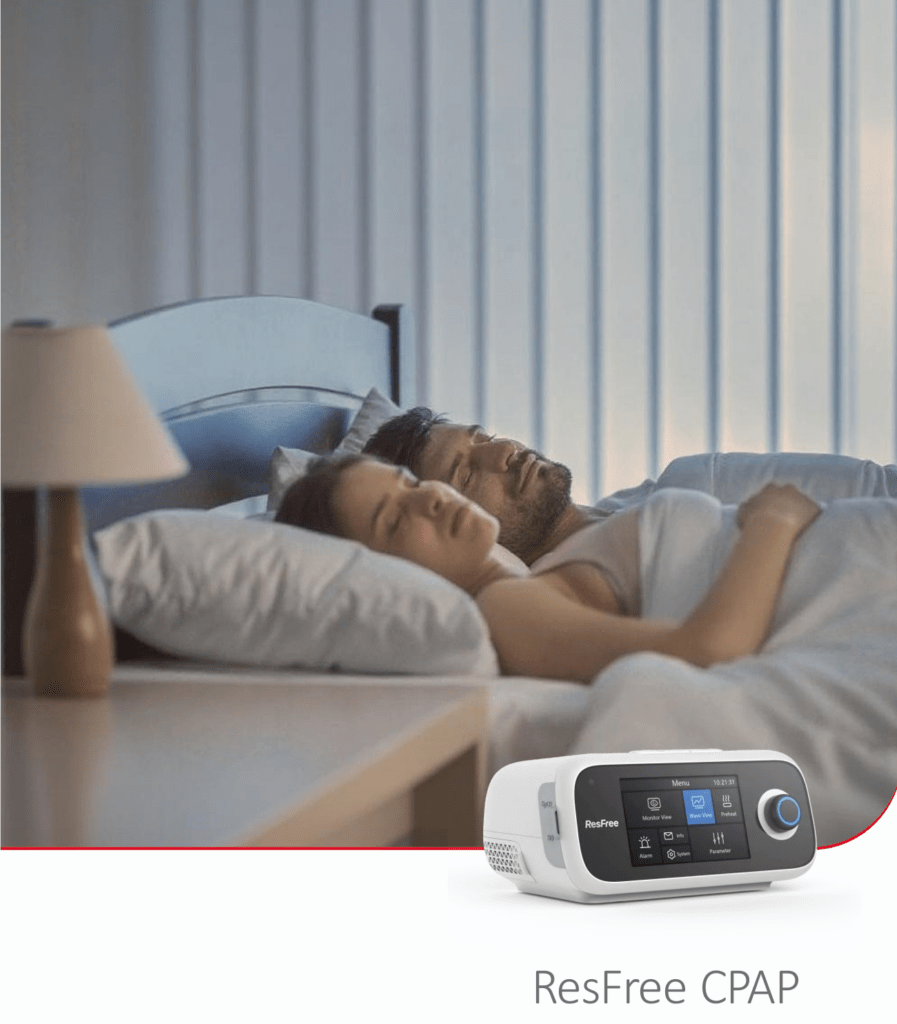
Why technical precision matters
Respiratory therapy hinges on narrow physiologic windows. Non-invasive ventilation (NIV) settings such as IPAP and EPAP determine minute ventilation and gas exchange. BiPAP systems that manage pressure support and respond to leaks reduce patient–ventilator asynchrony. Robust waveform monitoring, reliable triggers, and accurate leak compensation are not optional; they directly influence outcomes and comfort. Clinicians need devices that report tidal volume, respiratory rate, and usage with clinical-grade accuracy.
Design elements that address the problem
Good home ventilators combine clinical features with ergonomic design. Key attributes include adaptive pressure algorithms, precise flow sensors, and validated alarm logic. Battery redundancy and modular interfaces matter for home safety. Data connectivity for remote review is essential for timely titration. —A small, hardened chassis alone does not equal clinical readiness; the internal control loop and sensor fidelity do. Prioritize devices with clear calibration procedures and service documentation.
Real-world anchor: clinical context and evidence
The World Health Organization lists chronic obstructive pulmonary disease among leading causes of death globally, so scalable home solutions change population outcomes. Community respiratory teams in urban settings report fewer emergency visits when home ventilation follows hospital-grade protocols. Modern devices marketed as breathing machines for copd must therefore meet field demands: durable alarms, clear patient-reported outcomes, and seamless handover from inpatient settings to domiciliary care.
Practical features clinicians should verify
Evaluate devices against specific operational metrics rather than marketing claims. Look for: certified accuracy of tidal volume under leak conditions; documented trigger sensitivity across inspiratory efforts; and audit-ready logs for adherence and event histograms. Integration with electronic medical records reduces transcription errors. Backup power specifications—run-time at typical settings and recharge profile—should be explicit. Alternatives include hospital-issued portable ventilators and hybrid setups using clinical-grade BiPAP with telemonitoring modules; choose based on case complexity and care pathway.
Common mistakes and how to avoid them
Treatment failure frequently stems from misaligned device selection or training gaps. Avoid under-specifying alarm thresholds, which leads to alarm fatigue, and under-investing in masks and interfaces, which drives leak and non-compliance. Training must cover basic troubleshooting, pressure adjustment rationale, and how to interpret event logs. Where teams substitute simple CPAP units for NIV therapy, expect suboptimal CO2 clearance—matching device capability to physiologic need prevents that mismatch.

Advisory — three critical evaluation metrics
1) Clinical fidelity: Confirm tidal volume accuracy ±10% under specified leak conditions and document test parameters. This ensures delivered ventilation matches prescribed ventilation. 2) Adaptive control: Verify the device uses adaptive pressure support with documented response times and measured trigger sensitivity across effort levels. Faster, reliable triggering reduces work of breathing. 3) Operational resilience: Check battery runtime at representative settings, alarm latency, and availability of remote telemetry with secure data export. These metrics predict real-world reliability and reduce unscheduled interventions.
Byond provides devices and services that align these metrics with clinical workflows, supplying the precision and support teams need at home.