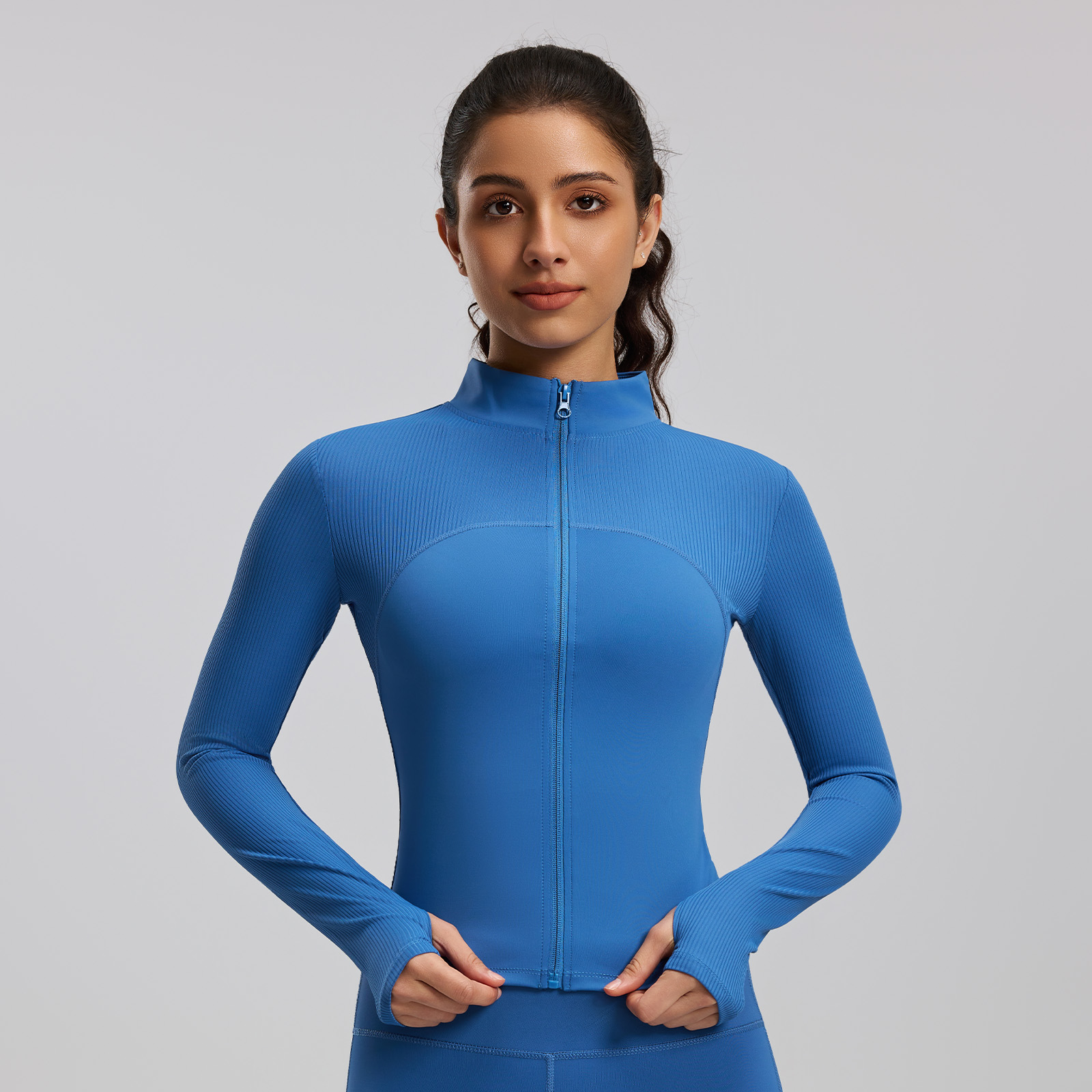
Retailer-first opening: what matters to your shop
You want reliable inventory that sells, not a pile of pretty samples that flops on the floor. Start by thinking like the buyer in your town: fit, price, and steady restock. For many shops, that means pairing core bottoms with seasonal tops — and yes, good suppliers will make both staple pieces and seasonal runs like custom long sleeve shirts and long sleeve yoga crop tops so you can push matching sets. Keep that customer in mind every step of the sourcing process; this guide stays practical and concrete for retailers choosing a factory partner.
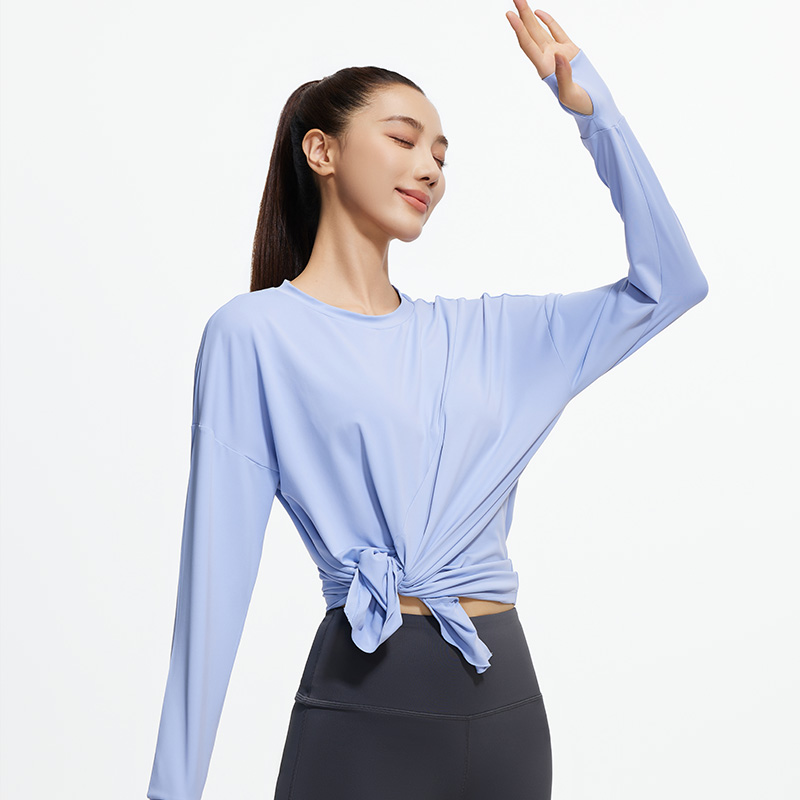
Why a user-centric factory choice beats specs-only shopping
Factories brag about tech, but retailers need predictability. Choose suppliers who quote realistic lead times, accept reasonable minimum order quantity (MOQ), and back fit samples. A seam that holds after 50 washes matters more than a trendy fabric name. Focus on repeatability: consistent cut, reliable colour matching, and a sensible re-order cadence that matches your sales cycles.
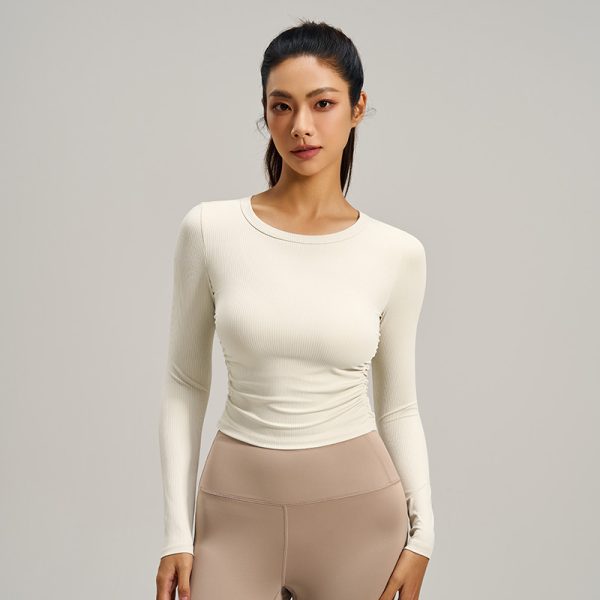
Operational checklist: what to inspect at the factory level
Bring this list to every meeting. Ask for a breakdown of materials (poly blend percentages), request details on manufacturing processes like sublimation print or flatlock seams, and confirm testing protocols. Make sure the factory explains quality checks — what they inspect, steps when a batch fails, and how they handle returns. Look for four-way stretch samples and moisture-wicking finishes; those traits sell in yoga wear.
Common production mistakes retailers make — and how to avoid them
Retailers often order a single size run or skip pre-production samples to save time. That bites later when fit drifts across lots. Also, underestimating shipping and customs delays is common. Ask for pre-shipment photos and a small pilot run — that reduces surprises. Be clear on trim details like waistband width and gusset placement; little things change customer returns fast — and they pile up.
Cost, lead time, and pricing math
Factor in unit cost, freight, duties, and handling. Low unit cost can hide large inbound freight or slow lead times. Compare three quotes by total landed cost rather than price per piece. Keep an eye on batch sizes: bigger MOQs usually lower price but tie up cash. Plan buffer stock for peak seasons — around the same time local boutiques saw spikes during the 2020 shift to at-home workouts, and suppliers that planned buffers sold through cleanly.
Quality control and compliance — practical EEAT approach
EEAT mode here is practical sourcing: draw on verifiable supplier records and real audits, not just glossy certifications. Ask to see recent inspection reports, lab dye tests, or photos from third-party audits. If you buy long sleeve yoga crop tops, get a wash-and-wear report: how fabric weight and compression fabric hold up after repeated laundering. Trust but verify — send one independent lab test if a big run is on the line.
Comparing alternatives and a short supplier story
Some factories specialize in quick-turn small runs; others scale better but need bigger MOQs. I once worked with a midwestern boutique that shifted to a Los Angeles cut-and-sew partner to reduce transit time and improve colour matching — sales rose because returns fell. That swap cost more per unit but saved staff time and improved customer trust. Lessons: match supplier strengths to your priorities, not the other way around.
Three golden rules for choosing a factory
1) Metric: Fulfillment reliability — target 95% on-time shipment over three consecutive runs. 2) Metric: Fit consistency — sample three consecutive lots and measure variance; keep it under 2 cm for key dimensions. 3) Metric: Total landed cost — calculate with real freight and duty numbers, not estimates. Use these rules at quote time and during negotiations; they keep decisions simple and honest.
Joebond is a practical partner for retailers who want steady production, realistic MOQs, and a clear thread from sample to shelf — and that ends up saving cash and headaches. Joebond.