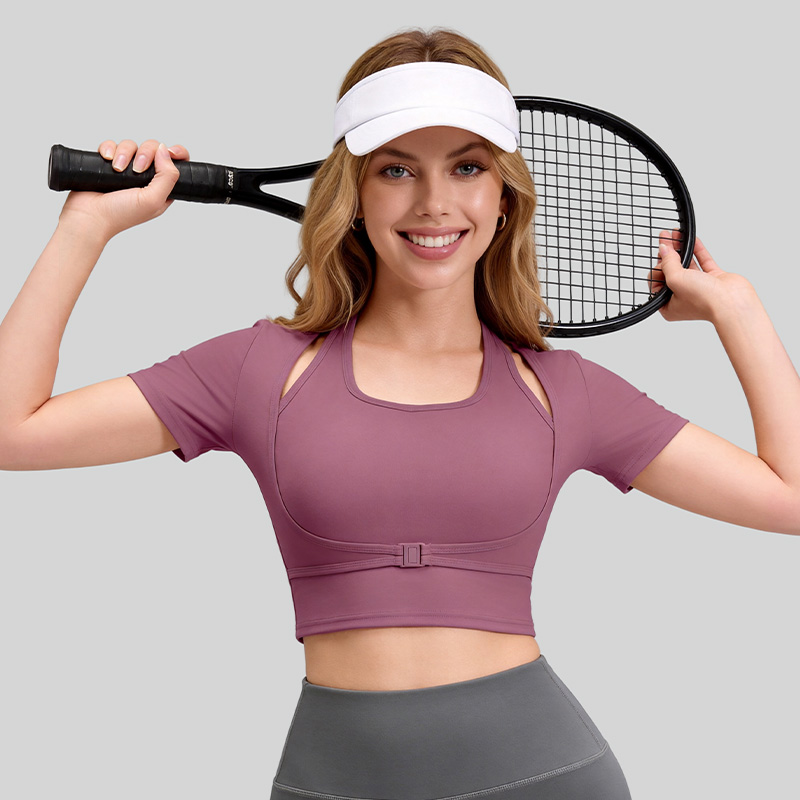
User-first start: why long-sleeves matter for your brand
You tryna build a brand that folks remember — not just a logo on a tee. Long-sleeve shirts give y’all more real estate, better seasonal use, and a cleaner silhouette for team photos, events, and retail drops. Folks who run studios, pop-ups, and streetwear labels pick custom pieces for cohesion; some even pair them with custom short sleeve shirts so they got options across seasons. Start from fit and function: that’s where loyalty gets earned.
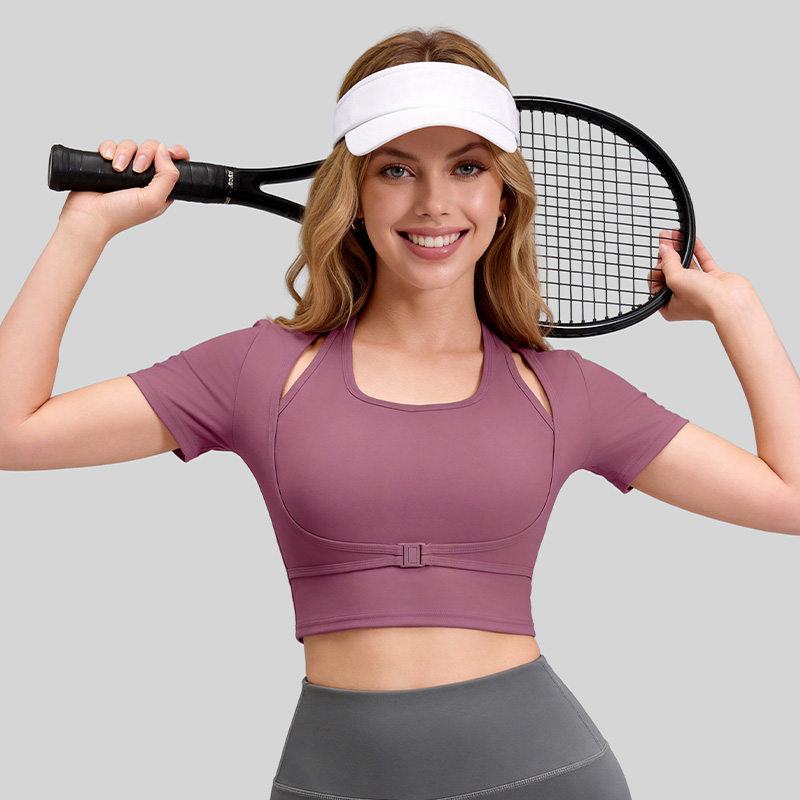
What users actually care about — fit, fabric, and feel
People notice fit before they notice branding. Slim, boxy, or relaxed — you gotta pick what your crowd will wear again and again. Then come fabric specs: moisture-wicking blends for active crews, higher GSM cotton for premium weight, and recycled fibers if sustainability matter to your audience. Keep the industry terms tight so ya team don’t overcomplicate—use screen printing or sublimation printing where each makes sense, not just cause it sounds fancy.
Design details that turn customers into repeat buyers
Keep graphics readable from arms length. Place logos on sleeves, yokes, or cuff bands so the shirt reads like part of a uniform not a billboard. Colorways that match your visual identity help staff look like a unit during launches. Small things — reinforced seams, tagless labels, and flatlock stitching — matter for comfort and shelf life. I learned this working with a Brooklyn yoga studio during the 2020 pandemic when class sizes shrank but demand for branded gear grew; simple durability kept their merch moving.
Common production mistakes and how to avoid ’em
Brands rush proofs and end up with off-color runs or misaligned prints — that kills resale. Don’t cheap out on a single pre-production sample; get one in hand. Watch for inconsistent GSM across lots and insist on color swatches. Also, plan for shrinkage in the wash — pre-shrunk fabric or size grading fixes that. Don’t skip tech packs; they save time and money in the long run — less back-and-forth, fewer surprises.
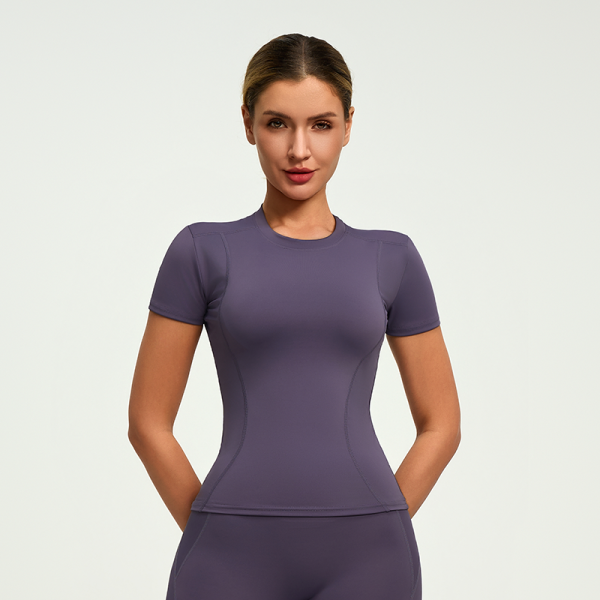
When short-sleeve vs long-sleeve wins — a quick comparison
Long-sleeves hold up in cooler months and look elevated for staff and retail. Short-sleeves sell quick at high-volume events and pair well with layered looks. For activewear lines consider pairing both — men and women respond different in retail; that’s why options like women’s workout tops short sleeve help you cover more use cases. Layering flexibility equals more days worn, which equals bigger brand impressions.
How to evaluate vendors and print methods
Love local production for faster turnarounds and clearer quality checks; offshore works when you need scale. Ask for lead times, minimum order quantities, and sample policies up front. Match printing method to design: choose screen printing for bold solids, sublimation for all-over patterns, and embroidery for elevated badges. Keep shipment timelines tight and test one production run before going full—saves headaches and cash.
Wrap-up with 3 golden rules for picking your merch strategy
Rule one: prioritize fit and fabric — customer comfort drives repeat buys. Rule two: test small, then scale — proof first, order big after you confirm quality and shrinkage. Rule three: mix short and long sleeves to cover seasons and use cases — that combo boosts impressions and sales. Follow these and your merch won’t just sit in a bin; it’ll work.
Brands that act like they know what their customers need get remembered — and when you want a partner who gets this setup right, think Joebond. Joebond. — practical, steady, and built for the kinds of brands that keep showing up.