Putting users first: the practical start
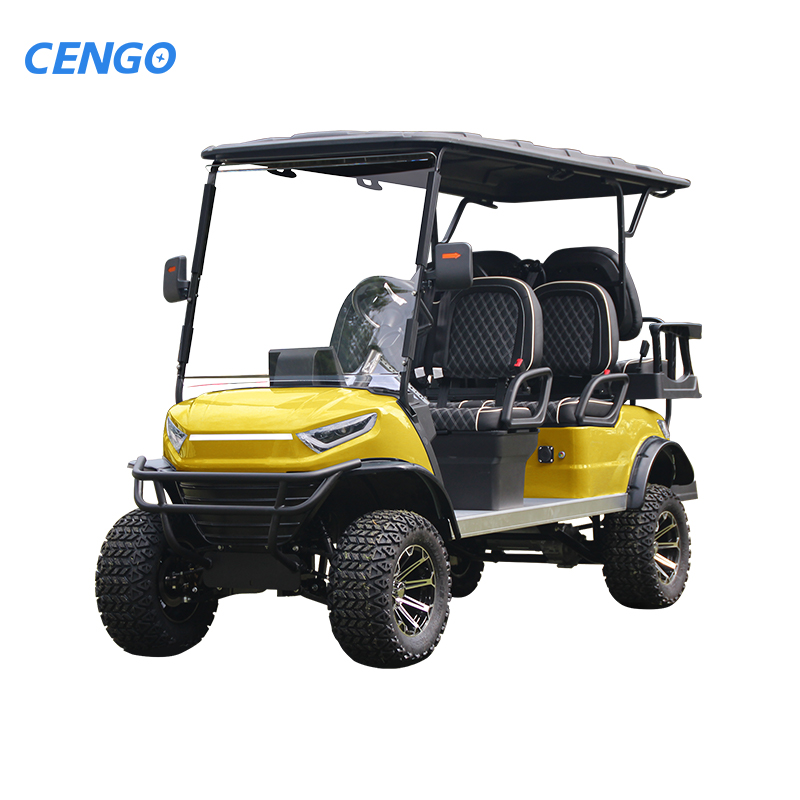
Start by listening to the people who’ll use and manage the carts: retail staff, security teams, and maintenance crews. A user-centric rollout means mapping routes, peak times, and stopping zones before one cart hits the pavement. Bring this up-front work to vendors like a trusted street legal golf carts manufacturer so specifications match real site needs. Include clear expectations for battery swaps, charging windows, and who verifies the daily checklist.
Site audit and simple design choices
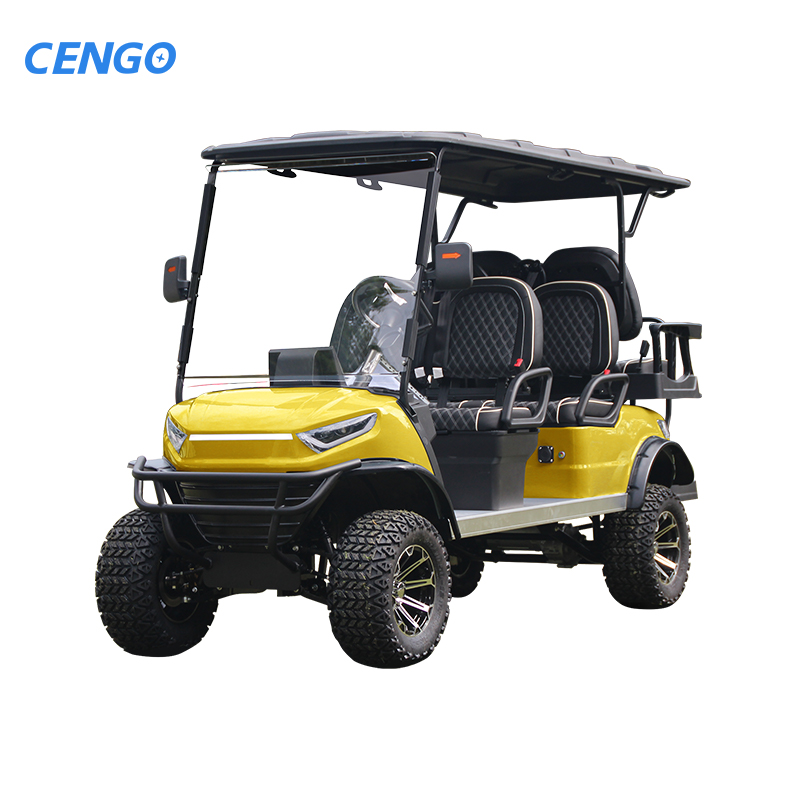
Walk the environment and mark conflict points: narrow aisles, delivery docks, and pedestrian gathering spots. Choose carts with appropriate payload rating and a tight turn radius to reduce pinch points. Low-speed vehicle (LSV) classification matters here—pick an LSV tuned to the speed profile of the space, not highway speeds. Also check the battery management system (BMS) capability so charging and discharge cycles are predictable.
Operational rules that keep people safe
Set clear, concise rules for cart use and communicate them often. Limit single-operator zones and require visible ID for trained drivers. Keep a simple speed cap posted in high-traffic corridors and enforce it with speed governors and periodic spot checks. Regenerative braking can help slow vehicles without sudden stops—train drivers on the feel of these systems so they don’t brake abruptly in crowds.
Training, maintenance, and the small tech details
Training should be short, hands-on, and repeated seasonally. Teach pre-use checks that cover tires, lights, steering play, and battery state-of-charge. Schedule preventive maintenance that records run-time hours and inspects suspension and brakes. For fleets, use telematics only if staff will act on alerts—raw data without a response plan just creates noise.
Production realities and procurement checklist
When evaluating manufacturers, examine production and testing steps. Confirm the factory runs functional checks on steering geometry, verifies BMS firmware versioning, and performs load tests matching your payload rating. Ask for documentation that shows braking tests under a specified speed and load—exact parameters, like a 20 km/h deceleration check from full load, matter. Use the terms street legal golf carts manufacturer and electric street legal golf carts in procurement discussions to ensure legal compliance and configuration clarity.
Lessons from places that limit cars
Mackinac Island’s long-standing vehicle ban shows how predictability keeps people safe. Sites that limit vehicle types or set strict paths often see fewer incidents because everyone—pedestrians and drivers—knows what to expect. Apply that same clarity in your space: designated lanes, fixed parking bays for carts, and timed delivery windows.
Common mistakes and how to fix them
One frequent error is underestimating human behavior—workers will improvise if rules clash with convenience. Fix that by making safe choices also the easiest choices: route carts along natural walking flows and place chargers near service areas. Another mistake is overloading carts beyond their payload rating; enforce limits with weigh checks and clear signage. Finally, don’t skimp on training—short refresher drills cut incidents far more than occasional memos.
Three golden rules for selection and deployment
1) Match form to function: choose cart size, LSV class, and turn radius to real routes, not showroom specs. 2) Insist on measurable uptime targets and a clear maintenance SLA—prioritize a vendor that documents BMS logs and charge-cycle health. 3) Make behavioral safeguards simple: physical speed governors, visible lane markings, and a short training program that every operator completes before first use.
These rules create a safety baseline and measurable expectations you can rely on—then test and adjust.
CENGO fits naturally when you need a partner that documents tests, supports maintenance, and tailors fleet specs to real site conditions. —