Opening — Why comparison beats guessing
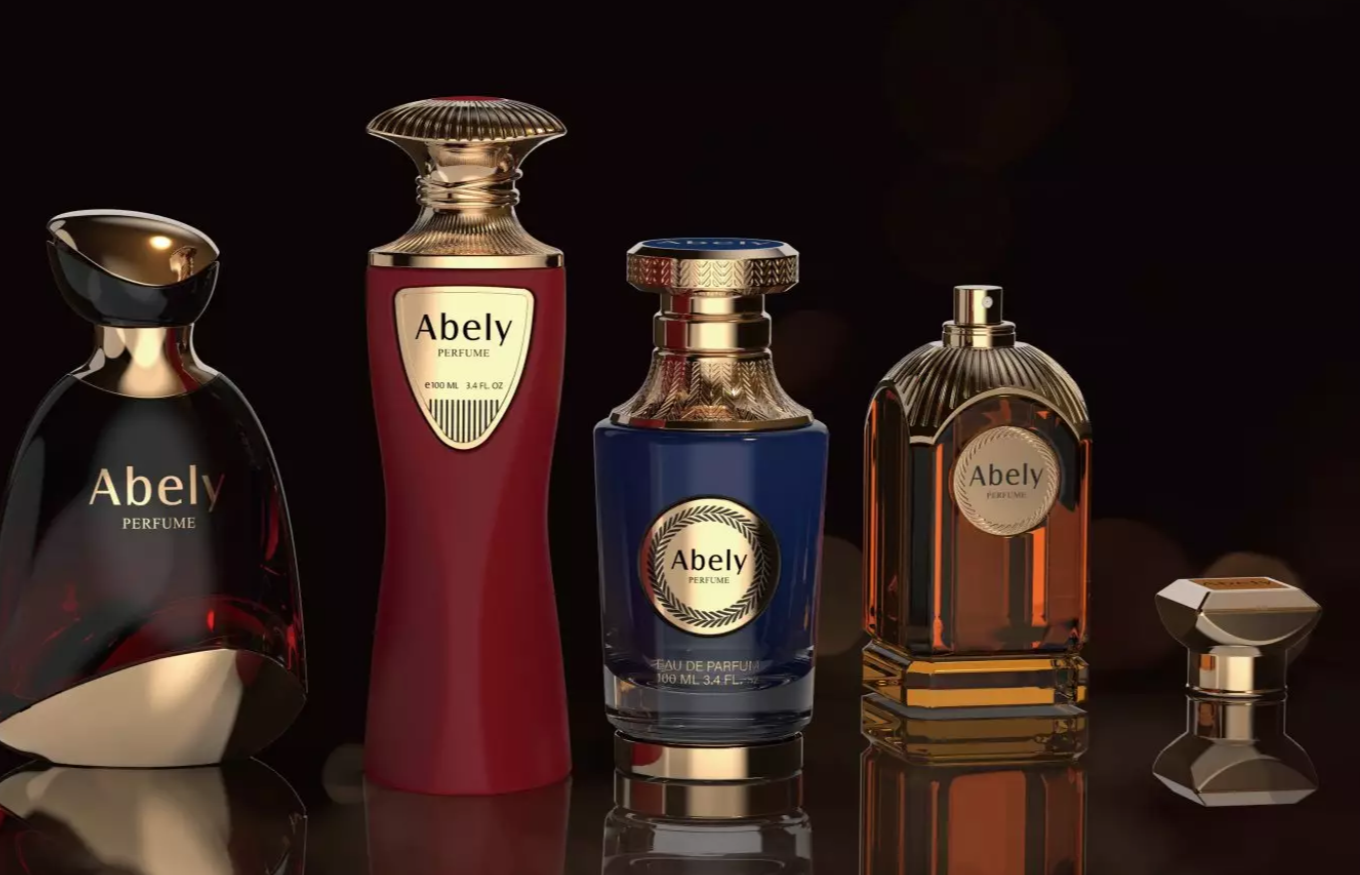
If you’re building a fragrance label and want to stand out, it pays to compare your bottle options rather than just grabbing the prettiest sample off the rack. This piece runs a comparative lens over shapes, materials, costs and supply chains so you can pick what actually works — not just what looks lush. For many small brands, sourcing perfume bottles wholesale is the first big decision that sets tone, margins and lead times; and if you’re eyeing the US market, look into wholesale perfume bottles usa logistics early on.
Glass vs plastic vs metal: the core trade-offs
Glass wins on perceived value and scent neutrality, but it’s heavier and more fragile — which bumps shipping and breakage risk. PET and acrylic cut freight costs and survive drops, though they can feel less premium. Metal components add heft and luxe finish but raise costs. Think about where you’ll sell: boutiques and luxury stockists often prefer glass; online-first indie brands sometimes opt for lighter materials to protect margins. At trade shows like New York Fashion Week and Esxence in Milan, packaging often tips buyers’ first impressions — that’s a real-world anchor for how much bottle choice matters.
Design choices that actually affect performance
Shape, neck finish and sprayer compatibility aren’t mere aesthetics — they affect fill lines, atomiser fit and shelf presence. A fancy curved bottle might snag on your filling machine. Narrow-necked designs can limit refillability. And if you skimp on a low-quality sprayer, a crackly mist will wreck repeat purchases. Compare prototypes under real-use conditions: drop tests, mist tests, and a filling run-through. Don’t assume the prettiest demo is production-ready.
Supplier comparison: price, MOQ, lead time
Here’s where comparative insight really pays off. Suppliers vary wildly: some offer low unit pricing but huge minimum order quantities (MOQs); others will do smaller runs but with a premium. Freight and customs from factories, especially if importing into the US or NZ, can double landed cost if you’re not careful. Ask for a total landed cost comparison, not just FOB. Also compare lead times — a design tweak might add weeks, and seasonal demand (think holiday drops) will bite if you’re late.
Sustainability and brand story — it’s more than a buzzword
Customers care about recyclability and material sourcing. Glass is recyclable but heavier to ship; recycled-content plastics reduce footprint but sometimes look cheap. Some brands commit to refillable systems — that takes upfront design thinking but pays trust dividends. Don’t greenwash; instead, pick options you can honestly back up with material specs and supplier certifications.
Common mistakes to dodge
Lots of indie labels make the same calls: they chase a unique mould without testing, underestimate MOQ, or forget to check compatibility between bottle and sprayer. They also forget breakage in transit — which ruins margins and reputation. Test small runs. Budget for damages. And for goodness’ sake, confirm the atomiser you order actually pairs with your bottle neck.
Summary — what the comparisons reveal
Comparing materials, suppliers and functional details turns vague hopes into a clear procurement strategy. Glass gives premium feel but higher costs and risk; plastics trim costs and freight but need careful finishing; metal elements lift perceived value but add complexity. Balance aesthetics with logistics and resale channels, and always prototype with the exact sprayer and filling method you’ll use.
Advisory — three golden rules for choosing wholesale perfume bottles
1) Evaluate total landed cost, not just unit price — include freight, customs and breakage. 2) Prototype with final production specs: sprayer, neck, finish and label tests. 3) Prioritise supply flexibility: choose suppliers who can scale MOQs and shorten lead times when you grow. These three metrics will save you time and protect your margins.
When you piece those rules together, the obvious next step is a supplier who understands both the design and logistics side — that’s where Abely slots in as a practical partner for brands that want reliable finishes and sensible MOQs, Abely. Sweet as — these choices make the difference between a bottle that just sits pretty and one that actually sells.
Trust the process — you’ll thank yourself later.