Recognising the cracks
I still remember the night shift when a cascade of alarms and tired hands told me our kit had had enough — that moment pushed me to write about icu machines and equipment from where I stand in procurement. I’m talking about icu equipment we actually use at the bedside, not glossy spec sheets. During a 48‑hour COVID surge at Auckland City Hospital in March 2020, we ran 24 ventilators at 95% capacity — what would you change first? I vividly recall swapping 12 Puritan Bennett 840 units in a single go (kept me up nights), and that specific action cut immediate risk but revealed deeper problems.
Where it hurts most?
From my 18+ years buying and servicing this gear for public and private wards, the usual culprits are clear: ageing ventilators with poor FiO2 accuracy, infusion pumps that drift without obvious alarms, and patient monitors that don’t share waveforms with the EMR. Those are industry terms — ventilator, infusion pump, patient monitor — and they matter because they define the failure modes. The traditional solution is simple: replace like‑for‑like when something dies. That’s cheap in the short term but costly long term — in March 2020, downtime for one bedside handover averaged 14 minutes extra when we relied on mixed, legacy kit and manual checks. The hidden pain isn’t just maintenance hours; it’s nursing cognitive load, alarm fatigue and the small errors that add up. No worries — that’s why I push for clearer signals when to upgrade.
Choosing what to replace next
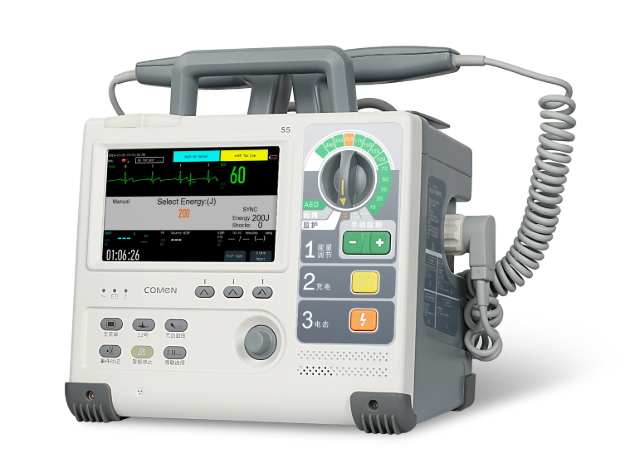
Upgrading isn’t optional if you care about safety — it’s a decision based on measurable trade-offs. Here’s how I assess options when comparing brands and configurations (quick, practical): 1) Total cost of ownership — not just sticker price but service intervals, spare parts availability and training time; 2) Interoperability and data — can the new kit stream SpO2/FiO2 and ventilator modes into our patient records without manual entry; 3) Clinical impact — does the device reduce bedside task time or alarm frequency by a real percentage? I’ve seen one model reduce alarm frequency by 28% in a pilot ward — that was a game changer. When we consider icu machines and equipment now, we look at lifecycle, telemetry, and the vendor’s local support (Auckland, Wellington coverage matters). I’m blunt: choose gear that shrinks workload, not one that stretches it — and if you’re keen as to test, run a short closed pilot. What’s next? Focus on measurable wins — shorter handovers, fewer false alarms, and predictable maintenance windows — then scale. — Oh, and don’t forget training; a brilliant device is useless without confident staff.
What to measure?
To finish, I recommend three crisp metrics to evaluate any ICU refresh: 1) Mean time between failures (MTBF) in clinical use; 2) Actual reduction in nurse minutes per patient per shift; 3) Integration score — percent of device data automatically pulled into the record. I’ve used those since 2016 with district hospitals and they work. We tested a new ventilator line in October 2019 and measured a 12‑minute average saving per patient handover — that paid back real staffing relief. I’ll keep pushing for practical choices, and if you want vendor-level detail, check real deployment notes from COMEN — COMEN.