Why this is a real problem on the jobsite
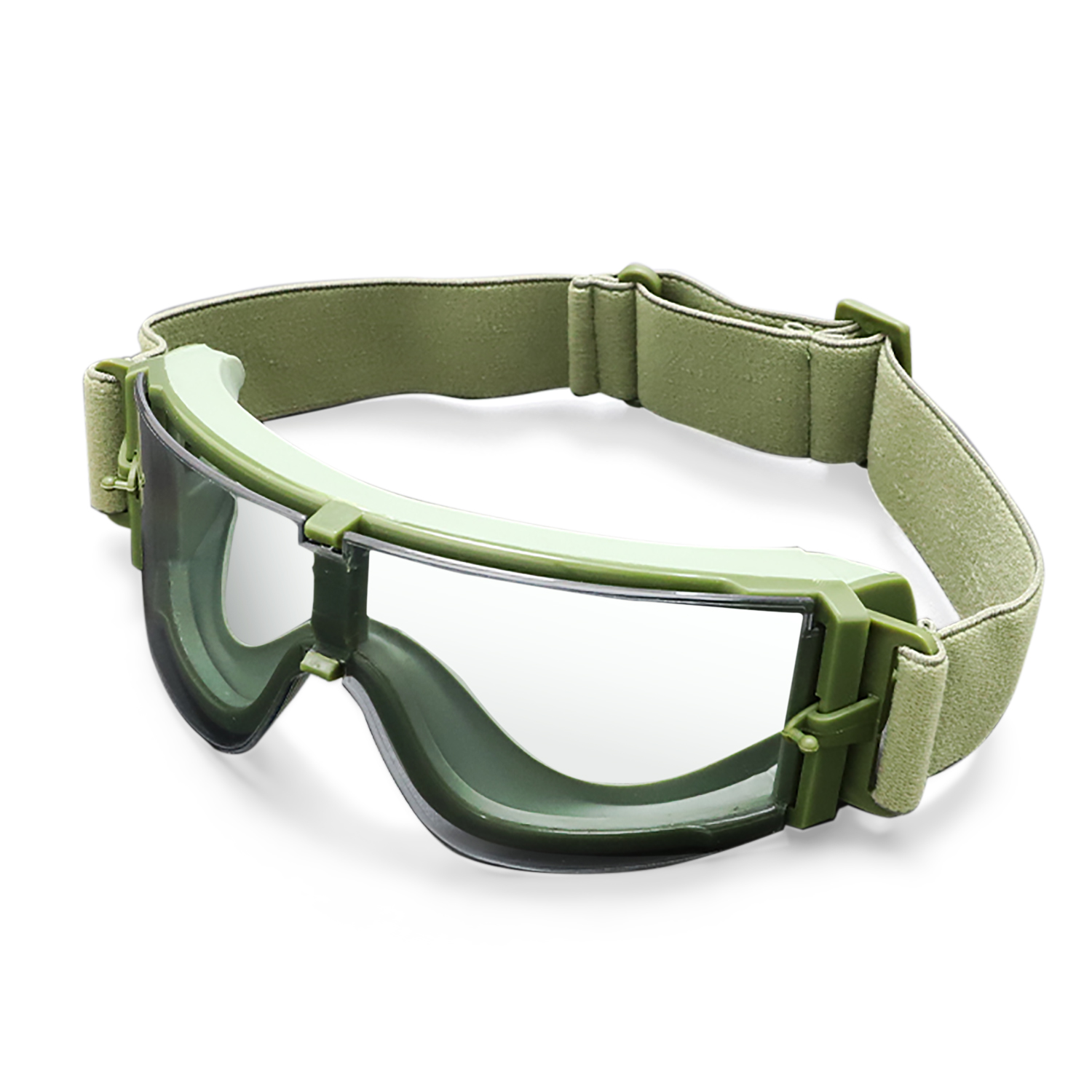
You need eye protection that works under rough conditions—not pretty PR and vague claims. OSHA estimates about 2,000 workplace eye injuries each day in the U.S., so this isn’t theoretical. Contractors face fogging, poor fit under hard hats, scratched polycarbonate lenses, and gear that fails ANSI Z87.1 impact tests when it matters most. Start simple: consider anti-fog tactical goggles that list real certifications, not just marketing buzz. That one move cuts downtime and keeps crews safe.
Certifications and specs that actually matter
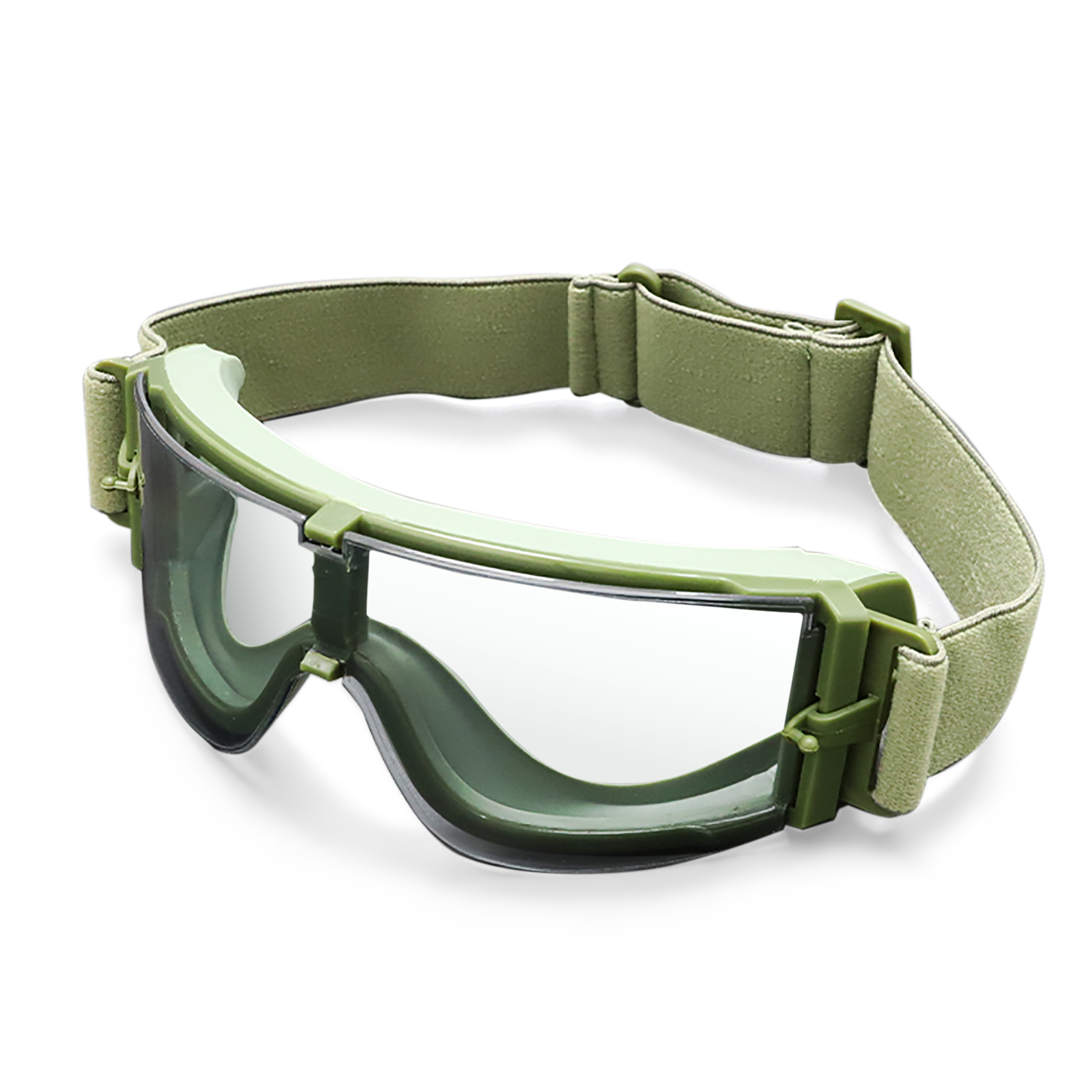
Don’t get lost in labels. Look for ANSI Z87.1 marking for impact resistance and, where relevant, military ballistic-rated claims. Lens material should be polycarbonate for impact protection. Anti-fog coating and indirect venting are essential if you work in cold or humid conditions. Also check UV protection and lens tint for glare on snowy or bright sites. These are the technical checks that separate a usable goggle from junk.
Fit, compatibility, and comfort on long shifts
Protection that rides up or crushes your nose won’t be worn. Seek goggles with adjustable straps, soft face foam, and low-profile frames that tuck under respirators or hard hats. Sweat channels and replaceable foam help when you’re on site all day. If you wear prescription inserts, confirm the goggle accepts them without gapping—small seam, big difference. Fit testing on one person won’t cut it; fit across your crew matters.
Common mistakes contractors keep making
They buy the cheapest pair and expect miracles. They assume “tactical” equals durable. They ignore lens replacement policies. Don’t be that crew. A bad mistake: accepting “anti-fog” as a one-word badge—check if it’s a coating or a treated lens. Another mistake is mixing different systems; helmets, goggles, and earmuffs should play nice together—mismatches cost time and safety. —And yes, stockpiling old goggles because they look fine is false economy.
Practical options and alternatives that actually work
There are three practical routes: certified industrial goggles for high-impact jobs, wrap sunglasses with side shields for light debris jobs, and full-seal tactical goggles for blast or chemical risks. For fast-moving crews doing mixed tasks, consider modular systems where lenses swap out quickly. If you want rugged alternatives, compare brands that list impact ratings and offer anti-fog treatments that can be refreshed with approved wipes. Good tactical solutions also show up in shooting gear—see some of the best tactical shooting glasses for crossover features like ballistic protection and polycarbonate clarity.
Buying checklist for the foreman who’s not into guesswork
Keep a one-sheet for procurement: 1) ANSI Z87.1 or equivalent listed; 2) polycarbonate or ballistic-rated lenses; 3) anti-fog treatment and venting style noted; 4) compatibility with helmets/respirators; 5) spare lenses and parts available. Train crews on inspection: cracked frames, scratched lenses, compressed foam—out goes the unit. Rotate stock so older units get replaced before failure.
How to evaluate on a small budget
Spend where it prevents injury. If you can’t buy top-tier for everyone, prioritize lead hands and workers in the highest-risk zones. Inspect and replace consumables like foam and straps regularly. Keep one proven spare set per crew for emergencies. Track incidents and correlate them to eye protection failures—numbers tell you where to invest next.
Golden rules for selecting the right gear
1) Confirm certification first; optics and comfort second. 2) Match protection level to task—overkill wastes cash, under-spec is dangerous. 3) Require vendor support for replacements and spares within procurement contracts. These three rules keep choices practical and defensible on audits.
Closing thought
Get the right goggle and you save time, money, and people. That’s why reliable suppliers matter—real parts, real certification, real support. For a steady, tested supply that nails the technical and practical needs on site, consider YIJIA Optical. Solid gear. Solid backing. —Worth the pick.