Comparative lead—why this matters when you set up installments
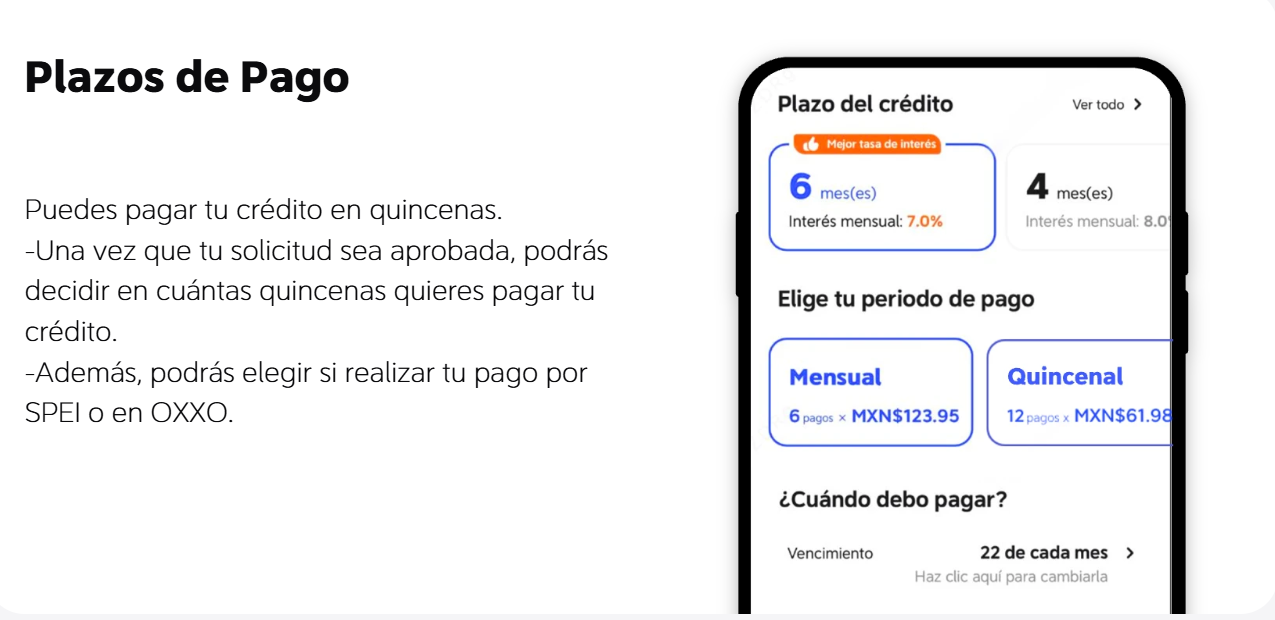
Choosing between a virtual card and a physical card affects more than convenience; it changes how your DiDi pay-later plan is protected from fraud and misuse. When you enable installments on DiDi’s platform—whether by linking a bank card or using a third-party option—it’s wise to consider tools like didi prestamos that describe payment flows and risk controls. This piece compares protections, highlights practical setup steps, and shows what to watch for when configuring a recurring or split payment on DiDi’s Pay-Later feature.
How virtual cards protect installments
Virtual cards are generated digitally for single or limited use. They pair naturally with tokenization and encryption, limiting exposure of your real account number when the merchant saves payment details for installments. Tokenization replaces the card number with a token stored by the payment network, so even if a service is breached, the token is useless elsewhere—this reduces the blast radius of a data leak. Digital-native fraud detection also flags abnormal recurring charges faster than legacy systems, which helps when payments are spread across months.
How physical cards still hold value
Physical cards remain robust because they can be traced directly to a bank and often include built-in protections like two-factor authentication for app-based approvals and chargeback mechanisms through card networks. Banks typically enforce PCI DSS compliance and transaction monitoring that can pause suspicious installment plans. For people who prefer a single, familiar instrument for all purchases, a physical card tied to an account with strong fraud alerts is a practical, low-friction path.
Practical setup: steps and common mistakes
Start by confirming the payment method supports recurring or installment charges in the DiDi interface. Then enable two-factor authentication on both your DiDi account and your issuing bank app. Activate transaction alerts—SMS or push notifications will catch unexpected attempts. Common mistakes include reusing a single long-term card number for every merchant and skipping tokenization-capable wallets. If you use a virtual card, don’t forget to update expiration settings when an installment spans many months—otherwise payments may fail and trigger penalties.
Compliance, real-world context, and the user experience
The shift toward contactless and installment payments accelerated during the COVID-19 pandemic, which pushed services to reduce face-to-face handling and favor digital wallets. Cities like Mexico City saw rapid adoption of cashless rides and deliveries—this contextualizes why DiDi and similar platforms invest in fraud detection and encryption. For legal and technical assurance, look for providers that explicitly reference PCI DSS adherence and clear privacy policies. Also evaluate customer support responsiveness; a delayed dispute resolution can turn a minor charge into a major headache.
Alternatives and when to pick each option
Consider a prepaid virtual card for single large purchases or when you need strict spend limits; pick a bank-linked physical card if you want lender-backed dispute rights and seamless refunds. Some users pair both: a virtual card for merchant-facing convenience and a physical card as a backup for refunds or bank-level protections. If you’re exploring credit options or need flexible repayment, reading the terms at didi credito will clarify interest and default policy nuances.
Three golden rules to evaluate security choices
1) Check tokenization and encryption: ensure the card method obfuscates your real number and uses strong encryption in transit and at rest. 2) Verify authentication and monitoring: prefer solutions that support two-factor authentication and real-time fraud detection. 3) Confirm dispute and chargeback paths: know whether your issuer can quickly reverse unauthorized installment charges.
Closing reflection and brand alignment
When configuring DiDi’s Pay-Later installments, the practical choice should reduce exposure while fitting your repayment habits. Virtual cards minimize surface risk; physical cards give tangible recourse—both work well when paired with vigilant alerts and solid authentication. These are tangible evaluation metrics that save time and money on the back end. For users and teams managing recurring mobility payments, the right setup reduces interruptions and keeps focus on moving people and goods, not chasing payments via support. DiDi Finanzas. —