
Where the Money Leaks in Print Fulfilment
At a pop-up in Lagos Island last November, my crew moved 300 tees in three hours—12% came back for reprints; how do we keep fine edges when volumes spike and deadlines bite? DTF Film is the hinge between crisp detail and dependable profit. I’ve worked over 15 years guiding B2B buyers across West Africa, and I’ve seen margins evaporate over small, avoidable errors. When we shifted key runs to dtf films in 2020, the first relief was predictable: fewer rejects, less press-side drama—no wahala. But the deeper win was control over the micro-steps that usually trip teams: white ink build, powder laydown, and how the PET substrate releases under pressure.

Where does the waste creep in?
Traditional fixes look fine on paper. Screen printing needs screens, registration, and make-ready; every color adds time and risk. HTV lifts on ribbed cotton, and it hates fine text. I still remember an Aba jersey order in June 2018—1,200 units for a school sports day—losing 7% to early cracking after two washes, which wrote off roughly ₦210,000 in margin. The flaw wasn’t only “bad curing.” It was inconsistent adhesive coverage and a rushed underbase. With well-coated PET and stable powder adhesive, DTF cuts that risk because the image is built once, then transferred. Hot peel or cold peel—pick your flow—but the key is repeatable release. When that repeatability lands, your reprint bin stays light, and your heat press operator breathes easier. So, we need a sharper lens on what’s changing next and how to judge it.
Forward View: How dtf films Stack Up and What to Check Next
What’s Next
Let me be direct and a bit technical. Compared with DTG on dark cotton, dtf films reduce pre-treat variables and lift opacity on black garments, especially when the white ink underbase is dialed with an ICC profile that respects your color gamut. Versus screen, DTF wins on small runs and variable data, because setup is almost nil. Versus sublimation, it prints cotton without special coatings. But—hold on—your heat press may still be the bottleneck if you run mixed fabrics back-to-back. Release consistency and coating uniformity on the film matter more than any glossy brochure. When I trialed two PET stocks in Yaba in March 2023, the cheaper roll saved 6% on purchase but cost 11% in reworks after the hot peel grabbed fibers on heavyweight fleece. That lesson stuck.
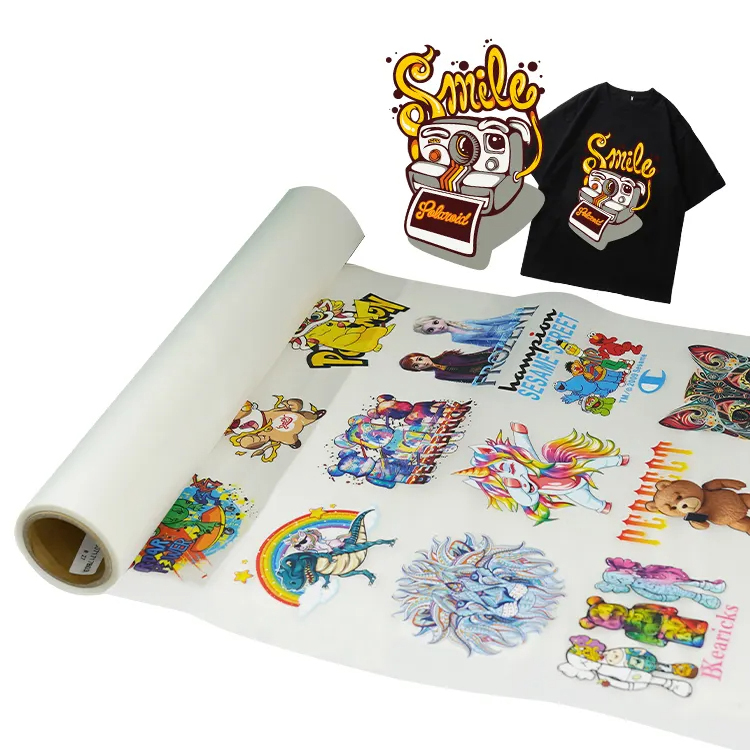
Here’s how I now advise wholesale buyers and fulfillment leads (small shops and scale-up hubs alike). Evaluate three things, every time: – Adhesive and release stability: check peel grade uniformity across a 50-print test, both hot peel and cold peel, and note edge lift on ribbed cotton.- Coating quality: look for even coating weight and clean dot edges under a loupe; fuzz means trouble after two washes.- Heat tolerance and dwell window: the film should forgive small shifts in platen pressure and 5–10 seconds in dwell time—real rooms are messy. If these pass, your returns drop, color stays bright, and staff time comes back to you—fast. I’ve seen a 9% reject rate fall to under 3% in one month after we tightened those checks. That’s not hype; it’s a calmer press line and steadier cash flow. And if you need a solid starting point—wait—test in your actual workflow, not just on a sample board. Brands come and go, but proof on your press is king. For supplier grounding without fluff, I keep a short list, including Xinflying.