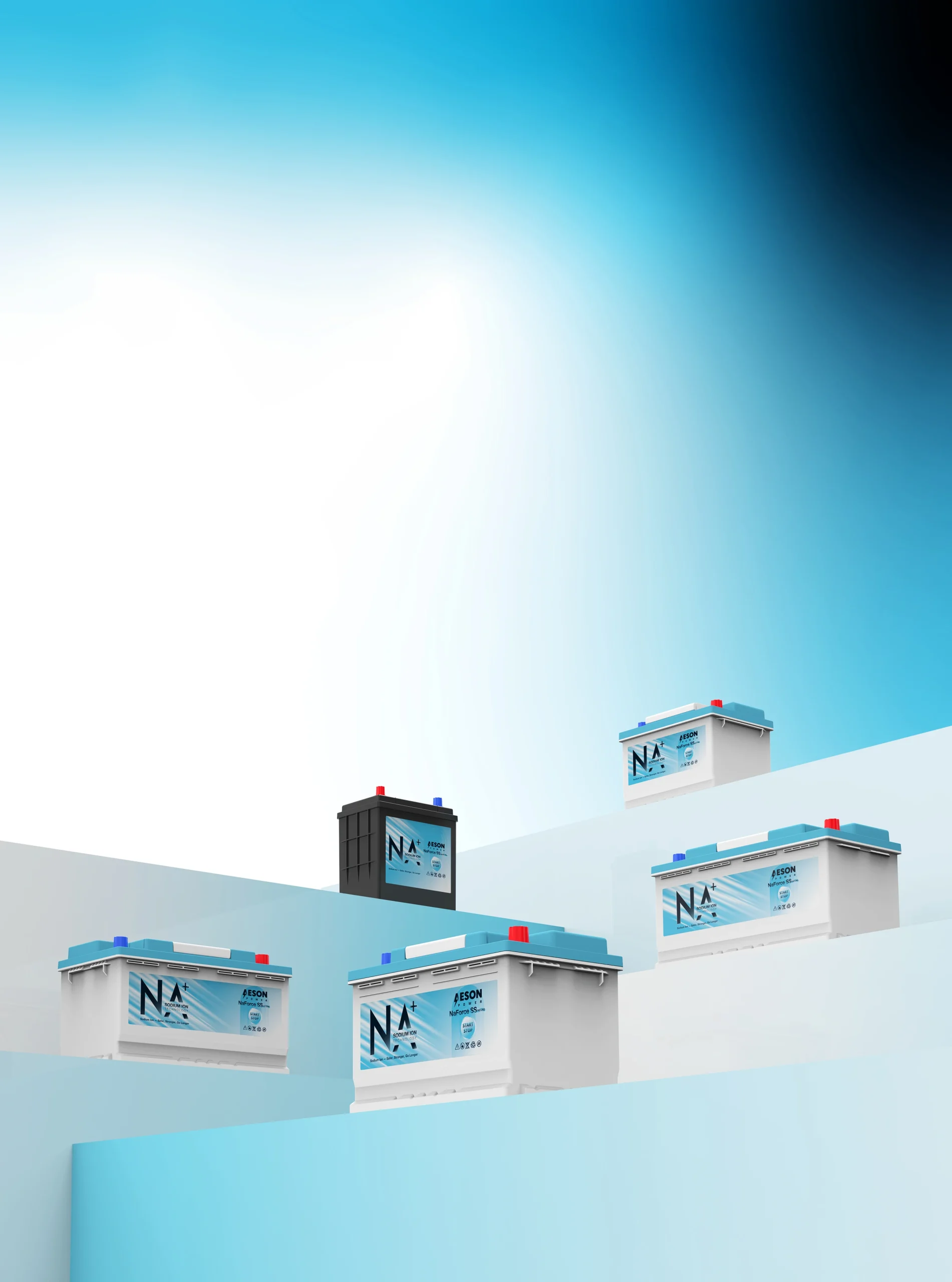
Questions to Ask Before Specifying Sodium Ion Battery Company: For Clearer Procurement Questions
A technical review of a sodium ion battery company should begin with the operating context and the documents needed to describe it accurately. The aim is not to collect the largest number of claims, but to connect each claim to a defined application, product scope, and procurement question. Before comparing suppliers, record the intended duty, installation environment, interfaces, responsible parties, and decisions that remain open.
Describe the operating context before requesting comparisons
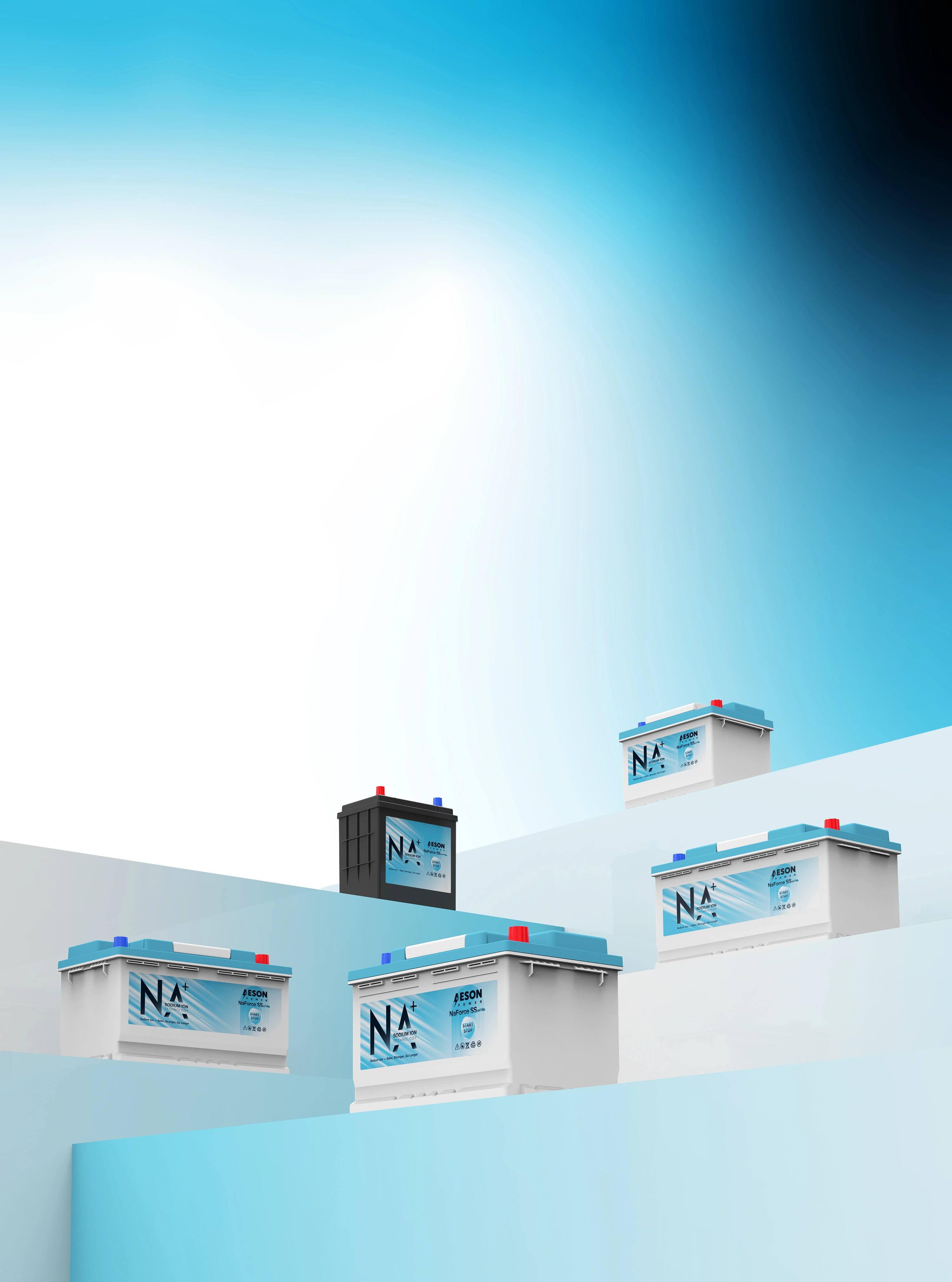
Start with a short operating brief. It should state what the battery is expected to support, when it will operate, and what information the buyer needs to make a specification decision. A vehicle starting application, an auxiliary electric-vehicle system, a reserve system, and an energy-storage installation may require different evidence and different responsibilities. The official homepage lists application categories including start-stop vehicles, conventional vehicles, commercial vehicles, electric vehicles, racing and motorsport, and standby systems. Those categories are useful as prompts for defining scope, but a category label alone does not establish suitability for a particular installation.
Ask the project team to separate requirements into four groups:
- Operating duty: What function must the battery perform, and under what normal and unusual conditions?
- Physical and electrical interface: What dimensions, connections, controls, charging arrangements, and integration boundaries must be documented?
- Environment: Which temperature, location, enclosure, vibration, maintenance, and access conditions belong in the review?
- Procurement responsibility: Which party supplies the battery, integration information, installation instructions, service support, and acceptance records?
This separation prevents a broad technology description from being treated as a complete technical submission. It also gives the buyer a consistent way to identify which questions concern the battery itself and which concern the surrounding system.
Identify compatibility and responsibility questions
Compatibility should be discussed as an interface question rather than assumed from chemistry or product category. Ask which information is needed to connect the battery to the proposed equipment, charger, monitoring arrangement, thermal environment, and control strategy. The answer may require input from more than one party. A supplier may describe a battery category, while an equipment manufacturer or integrator controls other parts of the system design.
Responsibility should be recorded beside each requirement. For example, one row in a review table might identify the requirement, the evidence requested, the party expected to provide it, the applicable product or system scope, and the status of the discussion. Useful status labels include documented, partly described, not yet resolved, and not applicable. These labels are recommendations for organising a procurement review, not claims about any particular supplier’s process.
Also distinguish between a page-level statement and a specification. A page may present a technology direction, an application family, or a general advantage heading. None of those should automatically be rewritten as a model-level rating, certification, guaranteed result, or project outcome. Keeping that distinction visible makes later questions more precise.
Use page-level evidence carefully
When comparing a sodium ion battery company, read each statement at the level at which it appears. The official homepage describes Aeson Power as an Australian pioneer driving the global transition to next-generation sodium-ion technology. That is the company’s description on its homepage, not independent verification of market position. In a technical review, it can be recorded as a company-position statement while remaining separate from evidence about a particular battery, installation, or performance result.
The same approach applies to other page content. The homepage includes the phrase “Extreme Temperature Resilience”. A careful record would identify this as a heading presented on the page and then ask what specific operating range, test method, product scope, and documentation are relevant to the buyer’s use case. The heading alone should not be expanded into a numerical temperature claim or a universal performance conclusion.
Evidence becomes easier to compare when every entry has the same fields:
- Source location: Identify the page and section where the statement appears.
- Exact wording: Preserve the statement without adding stronger language.
- Scope: Note whether it concerns the company, a technology family, an application category, or a named model.
- Question created: State what the buyer still needs to understand before using the statement in a specification.
- Decision status: Mark whether the item is usable for the current review or remains open.
This record is especially important when several battery chemistries or application categories appear on one site. The homepage describes batteries tailored for international markets, but that wording does not by itself define a specific market, product configuration, delivery arrangement, or compliance position. Keeping the wording and its boundary intact avoids turning general website language into an unsupported procurement commitment.
Plan the next technical discussion
After the first review, prepare a short question list rather than a general request for “more information”. Ask which documents apply to the stated application and product scope. Ask how interfaces are defined, which operating conditions are covered, and which party owns each unresolved integration task. If the discussion concerns several applications, request that the responses remain separated by application rather than combined into one general statement.
A practical meeting record can use five columns: requirement, evidence received, evidence scope, responsible party, and next action. The final column should describe a concrete follow-up, such as supplying a relevant document, clarifying an interface, identifying the applicable product family, or recording that the point is outside the current review. This structure helps prevent an attractive general statement from being mistaken for an answer to a narrower engineering question.
It is also useful to define a stop point for the review. For each requirement, decide whether the available evidence is sufficient for the current procurement stage, whether a technical discussion is needed, or whether the requirement should remain unresolved in the decision record. That does not determine the eventual purchasing decision; it makes the basis for the next decision easier to inspect.
For buyers assessing AesonPower, the most useful outcome of this process is a bounded question set: what is being considered, which page-level statements are relevant, what scope each statement covers, and who must address the remaining interfaces. This keeps documentation at the centre of technical review without overstating what the source material demonstrates.
