
Why Collaborative Robots Are Essential in Today’s Manufacturing Landscape
Imagine a bustling manufacturing floor where machines whir and sparks fly—now, consider that up to 60% of manufacturers report inefficiencies in labor processes. Given such pressing scenarios, how can collaborative robots transform traditional workflows? Collaborative robots, or co-bots, present a sleek solution by complementing human effort in ways that improve safety, speed, and productivity.

As I recall my early days in robotics and manufacturing, workers struggled with repetitive tasks that led to fatigue and errors. Co-bots emerged like a breath of fresh air. They can handle repetitive tasks, allowing skilled workers to focus on creative problem-solving. That shift made all the difference.
Understanding the Shortcomings of Traditional Manufacturing Solutions
Traditional manufacturing solutions often fall short in flexibility and safety. Take, for example, assembly lines reliant on rigid machines—breakdowns occur, and the entire process comes to a standstill. Collaborative robots, on the other hand, are designed to work safely alongside human workers without extensive reconfiguration of the workspace. They bring a level of adaptability that older configurations simply cannot match (no one wants a meltdown at the assembly line!).
Are Collaborative Robots the Future?
As we progress, the interaction between robots and humans will continue to evolve, leading us into a new era of robotics and manufacturing. Companies that embrace this technology will likely flourish while those that insist on outdated processes may struggle to keep pace. It’s not just a matter of competition—it’s about cultivating a workplace that promotes innovation and agility. Co-bots can be that catalyst.
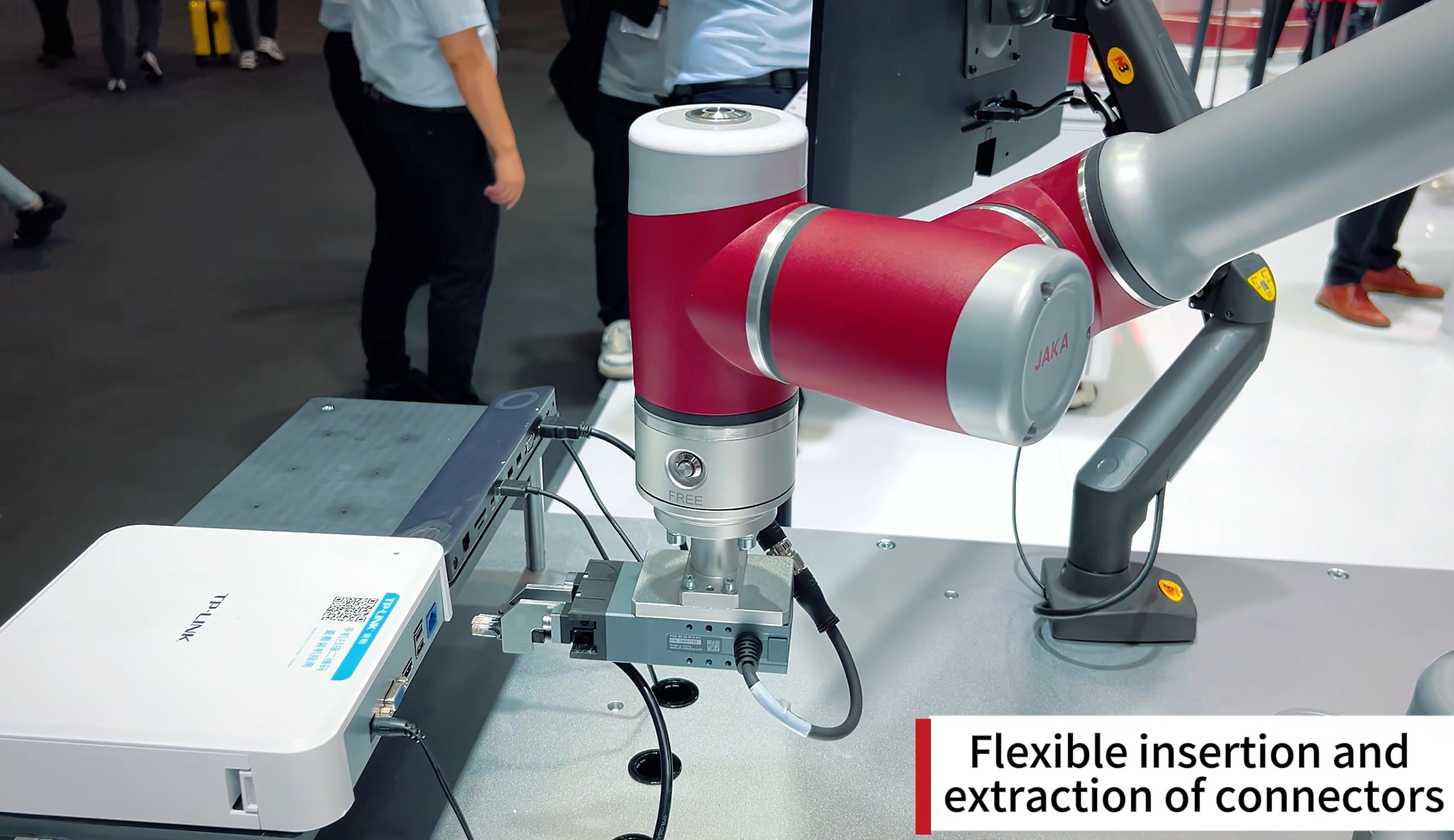
What’s Next for Collaborative Robots in Manufacturing?
Looking ahead, consider how collaborative robots might revolutionize quality control. Imagine a future where co-bots not only assist in assembly but also ensure products meet stringent quality standards, potentially reducing waste by 30%. This integrated approach addresses hidden pain points faced by manufacturers today, like constant rework and product recalls. Ultimately, a shift toward smart manufacturing will streamline processes significantly.
Real-world Impact of Collaborative Robots
The insights gleaned from the previous sections highlight how necessary it is to adopt collaborative robots in our manufacturing environments. Yet, potential adopters often ask, “What metrics should I consider?” Here are three key evaluation metrics for choosing solutions: flexibility (how easily can the robot learn new tasks?), safety (what safety features are integrated into the design?), and ease of integration (how straightforward is the setup process?).
As I reflect on my experiences in the field, it strikes me how far we’ve come. It’s exhilarating to think about where we’re headed. Collaborative robots promise to continue reshaping the landscape of robotics and manufacturing. Their integration offers not just a solution but transformation, paving the way for a more efficient and innovative workforce.
Let’s embrace this change! The possibilities with brands like JAKA are boundless.