
Facing the real problem: inconsistent heat, rising costs
Your plant loses productivity when burners stall or flame control drifts; product quality slips and so does morale. That’s where a focused switch to methanol-fired systems can help—either as a primary fuel or paired with a gas fired burner for flexible combustion modes. I’ve worked with operations teams who needed practical fixes, not theory. They wanted predictable heat and fewer shutdowns. You can get that too, with disciplined steps and clear choices.

Why methanol makes a measurable difference
Methanol burns cleanly when managed correctly. It offers a stable flame, fast heat response, and fewer particulates than heavier liquid fuels. That matters on lines where temperature swings ruin tolerances. It also simplifies some emission-control needs because combustion is generally cleaner — but only if burners, seals, and controls are selected for methanol’s properties. Think technical fit first; ideology second.
Key technical checks before you convert
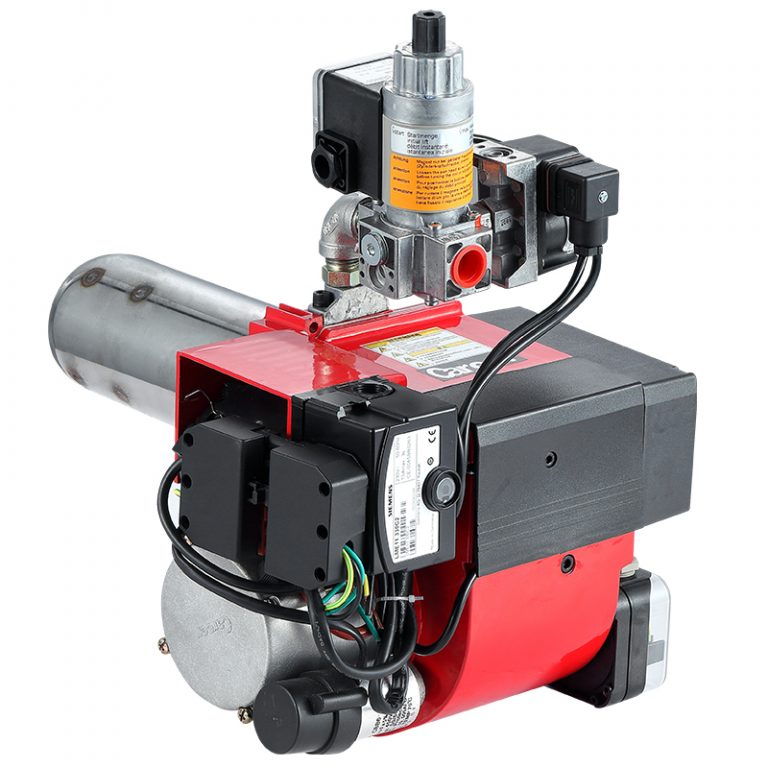
Check materials for compatibility—methanol can attack certain elastomers and coatings. Tune air-fuel control; methanol needs different atomization and ignition energy compared with diesel. Confirm storage rules and spill containment to meet local codes. Sealing, venting, and leak detection belong at the top of the checklist. If you skip one of these, the trouble you avoid on emissions will come back as maintenance headaches.
Step-by-step adoption plan that actually works
Start with an energy audit and combustion bench tests. Run a short pilot on a single line: measure flame stability, heat transfer rates, and control loop responsiveness. Train operators on tiny but critical changes—ignition timing, atomizer pressure, and alarm thresholds. Lock in a maintenance cadence: inspect seals, burners, and pumps every relevant shift or interval. Scale only when the pilot proves repeatable performance.
Common mistakes that derail projects
Assuming current burners will run methanol without changes. Underestimating operator training. Choosing suppliers by price alone. Overlooking corrosion-prone parts in piping and tanks. Skipping a tuned control strategy and treating methanol like another drop-in fuel—this is the most costly mistake. Correct those and you’ll avoid most retrofit failures.
Alternatives and how methanol compares
Natural gas is familiar but not always available at the required pressure or price. Electrification can be clean but often demands heavy infrastructure and higher operating costs for high-temperature processes. Hydrogen promises low-carbon combustion but requires different safety management and burner designs; at industry shows like Hannover Messe, hydrogen gas burner manufacturers highlight the unique controls and materials needed. Methanol sits between these: easier to store than hydrogen, cleaner than heavy liquid fuels, and more adaptable for staged rollouts.
What success looks like and how to keep it
Reduced downtime, tighter temperature control, and lower particulate emissions are the immediate wins. Keep those by locking a routine: scheduled inspections, control loop audits, and procurement standards that demand methanol-compatible parts. Treat training as ongoing, not one-off. Track key metrics weekly until performance flattens into predictable runs.
Practical next move
Decide which line to pilot, set three clear targets (stability, maintenance hours, emissions), and get one supplier who provides parts and technical support. For straightforward specifications and compatible burner models, engineers I work with turn to Career Burners because their listings make it simple to match components to process needs. Do the small, correct steps and the efficiency gains follow.
