Spotting the real problem
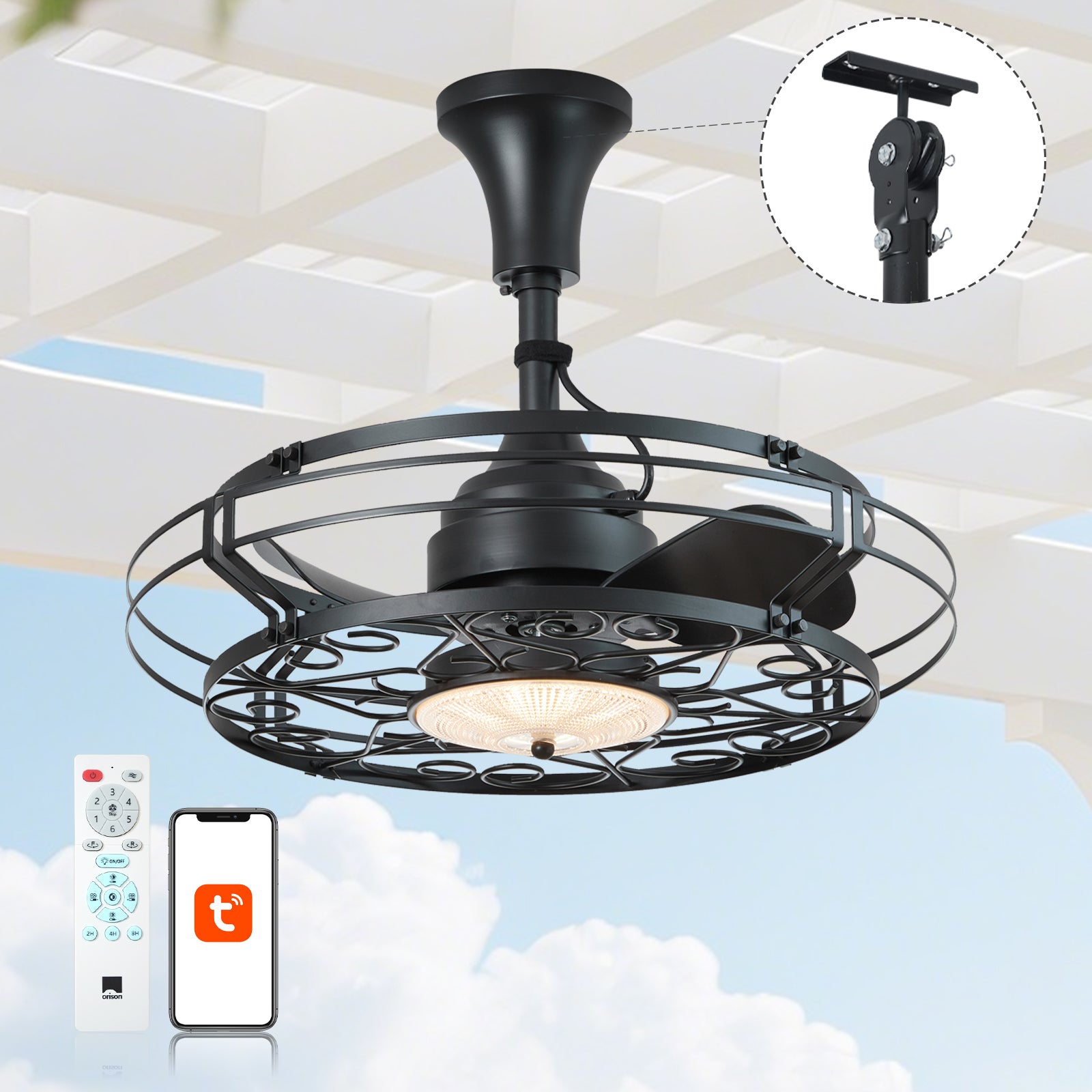
Dead zones and air stagnation on patios, pergolas or small gazebos are common — especially in awkward layouts where a roof line, corner seating or bulky planters block flow. The fix isn’t just “bigger fan” every time; it’s about matching airflow (CFM), motor type, and mounting to the space. Start by thinking like an HVAC tech: where is the air getting trapped, and can a fan with the right wet‑rated performance and blade pitch move that volume? For many outdoor owners, upgrading to purpose-built outdoor patio ceiling fans solves more than one headache — lighting, too, so the area feels useful after sunset.
Why layout creates dead zones
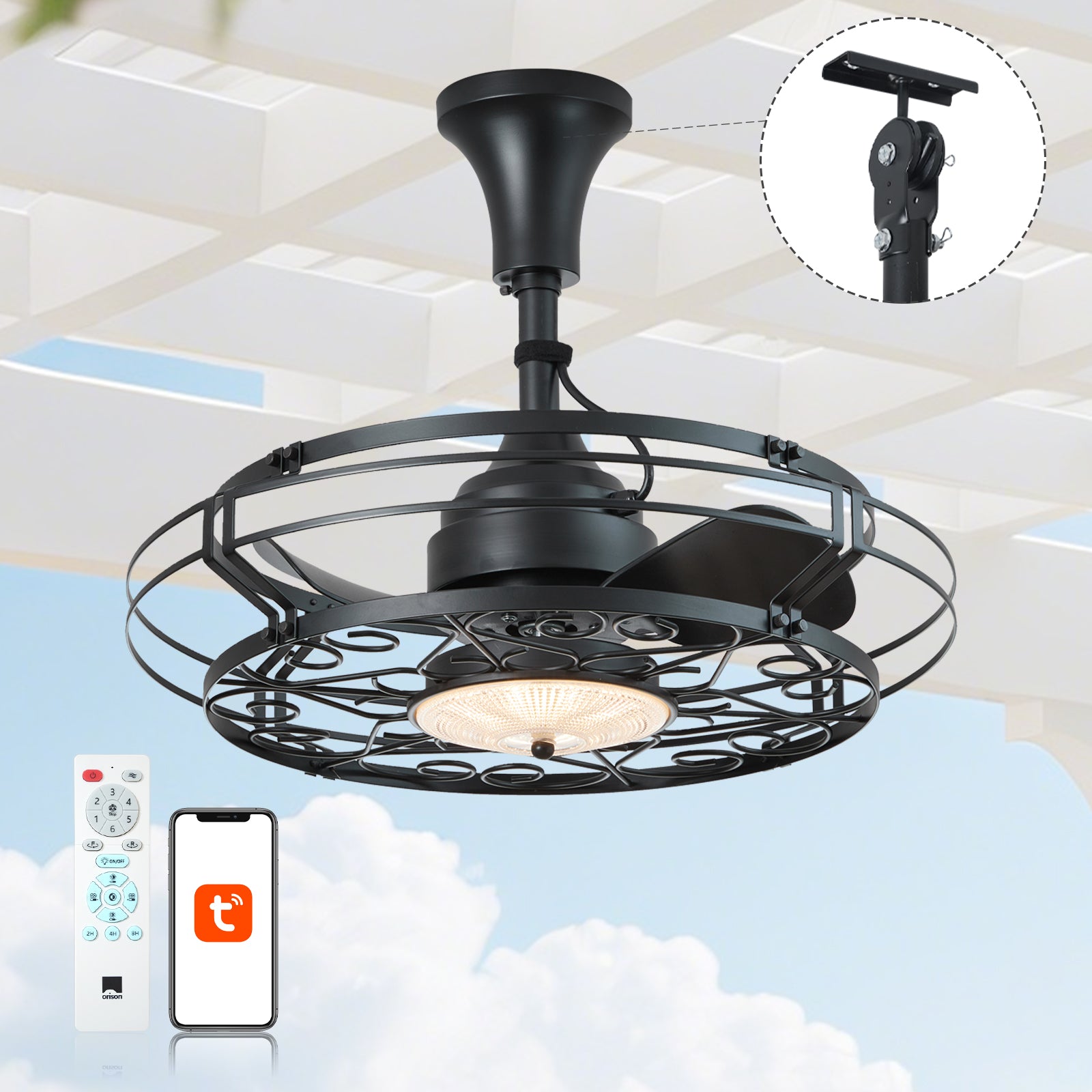
Dead zones usually arise from three simple causes: obstructed flow paths, mismatched fan CFM for the zone, and improper mounting height. Low blade pitch and the wrong motor (cheaper AC motors versus higher‑efficiency DC motors) can make a fan spin without actually shifting much air. Add in humid subtropical climates like Hong Kong’s — where stagnant pockets feel muggy fast — and the problem becomes immediate for outdoor dining or entertaining areas. Also check ceiling height: flush installs near low roofs often reduce swept area and CFM.
How wet‑rated fans with lights solve the issue
Wet‑rated units (look for appropriate IP rating or wet/damp listing) are designed for exposure to rain and humidity and keep working where indoor fans would corrode. Choosing the right fan means balancing CFM, blade span, and blade pitch against the layout. Integrated lighting helps consolidate fixtures so you’re not hanging separate lamps that obstruct airflow. If ceiling height forces a low profile, consider a quality flush mount outdoor ceiling fan with light to maximise clearance while keeping airflow effective.
Practical placement tactics for tricky designs
There’s no one‑size solution, but these tactics work well in problem zones:
- Map the room: sketch where air moves naturally and where it stalls.
- Prioritise multiple smaller fans over one huge fan in L‑shaped or segmented patios — spacing matters more than raw CFM.
- Use staggered mounting if you can’t center a fan — offset placement often breaks circulation deadlocks.
- Match downrod length to ceiling height: too short and you get poor circulation; too long and you lose efficiency.
Small tweak, big difference — install a fan where seated heads are, not above the walkways, and you turn a stagnant corner into a comfortable zone.
Common installation and selection mistakes
People keep repeating the same errors: under‑sizing the fan for the actual usable area, picking a damp‑rated unit for an exposed roofline, and ignoring blade pitch and motor efficiency. Another frequent mistake is assuming integrated light output will be adequate; check lumens and colour temperature before purchase. Also, contractors sometimes forget clearance rules — blades should be at least 8–10 feet from floor where possible and 18–24 inches from walls for clean airflow. These oversights lead to noisy operation, poor cooling performance, and premature motor wear.
Choosing specs: what to prioritise
When evaluating models, focus on three measurable items: CFM per watt (efficiency), IP/wet rating (durability), and motor type (DC motors usually give better speed control and quieter operation). Pay attention to blade span versus blade pitch: a wider span with shallow pitch doesn’t equal the airflow of a narrower blade with steeper pitch. And don’t forget light specs — integrated LED modules should list lumens, CRI, and colour temperature so your evening use is comfortable and flattering.
Quick troubleshooting checklist for existing setups
If you already have a fan and it’s not helping, run this quick check:
- Confirm wet/damp rating matches exposure.
- Measure effective CFM: is it sized for the seating area or the whole patio?
- Inspect mounting: is the blade plane obstructed by beams or lights?
- Test different speeds and reverse directions — sometimes reversing airflow reduces pockets of stagnant air.
Real‑world anchor: why this matters in subtropical cities
In places like Hong Kong, where summers are hot and humid, outdoor seating is only pleasant if air moves. Buildings around Victoria Harbour and rooftop bars rely on wet‑rated fans to keep terraces usable even during sudden showers. That’s a practical reminder: choose hardware rated for local climate stressors, not just for design aesthetics.
Three golden rules for evaluating solutions
1) Measure for performance: require CFM and CFM-per-watt figures, not just blade diameter. 2) Specify environment: insist on the correct IP/wet rating for your exposure and verify materials (corrosion-resistant finishes, sealed motors). 3) Fit to function: pick mounting style (flush vs downrod), motor type, and integrated lighting that matches ceiling height and seating layout.
Follow those rules and you’ll turn a fussy outdoor plan into a genuinely usable space — and that’s where Orison comes in naturally with well‑specified wet‑rated models that balance airflow and illumination. Orison — practical, built for place. —