Introduction — a quick scene, a fact, a question
Last month I walked a plant floor where a 30 kW motor sat idle for three days while teams argued over wiring — a familiar scene for many of us. Electrical Motor Products are in every corner of modern industry, from conveyors to HVAC, and yet small mistakes still cause big downtime (and big headaches). Data shows motor-related faults account for roughly 20–30% of unplanned plant downtime in some mid-size facilities — so why do we keep repeating the same setup errors? I want to help you avoid those traps, step by step, and keep your line moving. Let’s dig into where things go wrong and what to watch for next.
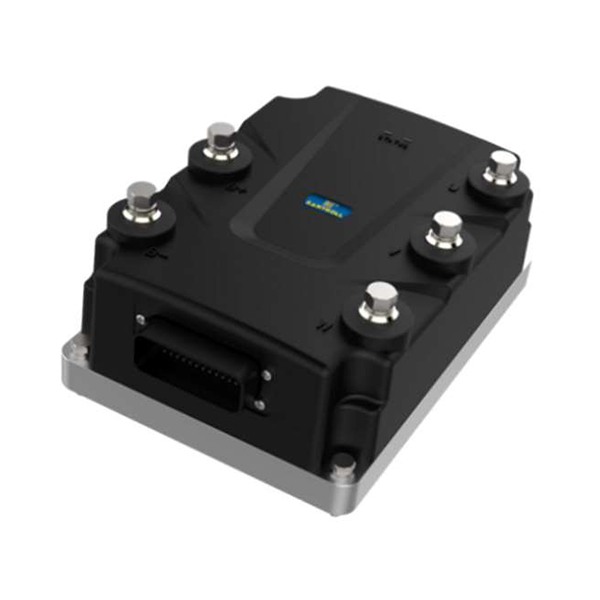
Why traditional fixes fall short for ac motor and controller systems
ac motor and controller setups often get patched, not redesigned. In my experience, teams bolt on a VFD or swap a capacitor and call it fixed. The truth is deeper: legacy wiring, mismatched power converters, and poor feedback from encoders or sensors create hidden loops of instability. I’ve seen inverters configured with default parameters that never matched the motor’s torque curve — and then blamed the motor. Look, it’s simpler than you think: the controller, the drive, and the motor must be tuned together. If one piece is out of sync, you get overheating, oscillation, or jerky starts.
Classic troubleshooting often stops at replacing parts. But that misses the root cause. We need to measure starting current, check PWM carrier frequency, and verify ground paths. Too many teams skip these checks because they assume the vendor supplied the right config. Don’t assume. Take time to map the control loop and validate sensor wiring. — funny how that works, right? These are not glamorous tasks, but they save weeks of rework and reduce unexpected torque ripple in production.
So what specifically breaks?
Short answer: mismatched specifications, poor signal quality, and incomplete commissioning. Long answer: harmonic distortion from nearby drives, weak filtering on power converters, or incorrect encoder counts per revolution. I’ve sat through project meetings where nobody owned the encoder spec — and months later the machine refused to hold position. That’s why we must plan for integrated testing from day one.
Future outlook — how new approaches and products change the playbook
What’s next is about smart integration and clearer specs. When I look forward, I expect more projects to rely on hybrid diagnostics and edge computing nodes for real-time health checks. Case examples already show firms using local analytics to predict bearing wear and reducing emergency motor swaps by half. We’re also seeing motor control products that bundle drives, sensors, and software in tighter kits — making commissioning faster and less error-prone. These kits cut the guesswork; you get fewer surprises on startup.
In practical terms, that means adopting better tools (spectrum analyzers, simple oscilloscope checks), insisting on full documentation from suppliers, and running a short commissioning script that verifies phase balance, torque under load, and encoder feedback. I recommend trialing one integrated kit on a noncritical line first. It’s a small step. It reduces risk. And — yes — it often reveals configuration gaps you didn’t know you had.
What to watch for next
Keep an eye on interoperability (drive-to-controller), the quality of motor insulation under VFD switching, and the ease of firmware updates. Vendors are improving, but you must still check the spec sheet, test in the field, and keep a clear log of changes. This future-focused approach pays off quickly: fewer surprise downtime events, smoother startups, and more predictable maintenance windows.
Practical checklist: three metrics I use to choose a solution
When we pick or evaluate a motor control path, I focus on three clear metrics that cut through marketing-speak:
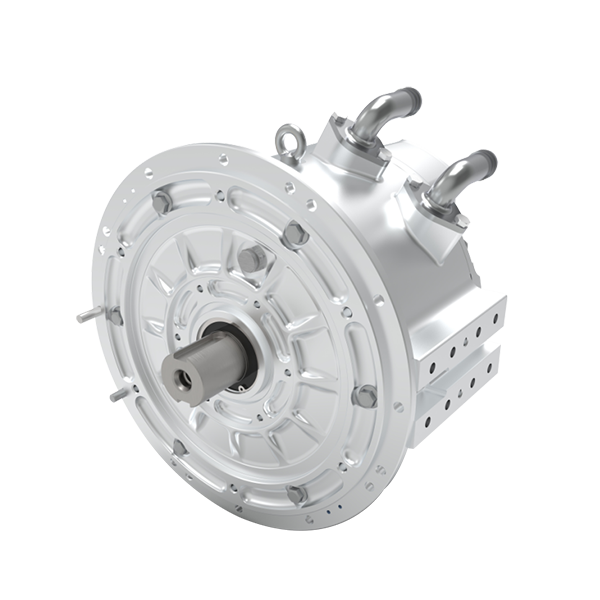
1) Commissioning time: How long until the motor runs correctly under load? We measure hours to stable operation. Shorter is better. 2) Diagnostic depth: Does the system give actionable alerts (bearing temp, harmonic content, encoder errors)? I value systems that tell me what to fix, not just that something failed. 3) Integration cost: What is the real cost to make the drive, controller, and sensors talk? Include wiring, gates, and any software license fees. Pick systems that minimize surprises.
Those three checks have saved my teams weeks of rework and a lot of sweat. If you run through them honestly, you’ll avoid the common traps that trip up so many implementations.
I’m not trying to sell a silver bullet here — just sharing what works in the field. For reference and practical options, I often point teams to vendors with clear specs and good support. When you’re ready to explore, check Santroll for product details and documentation: Santroll.