Why this comparison matters right now
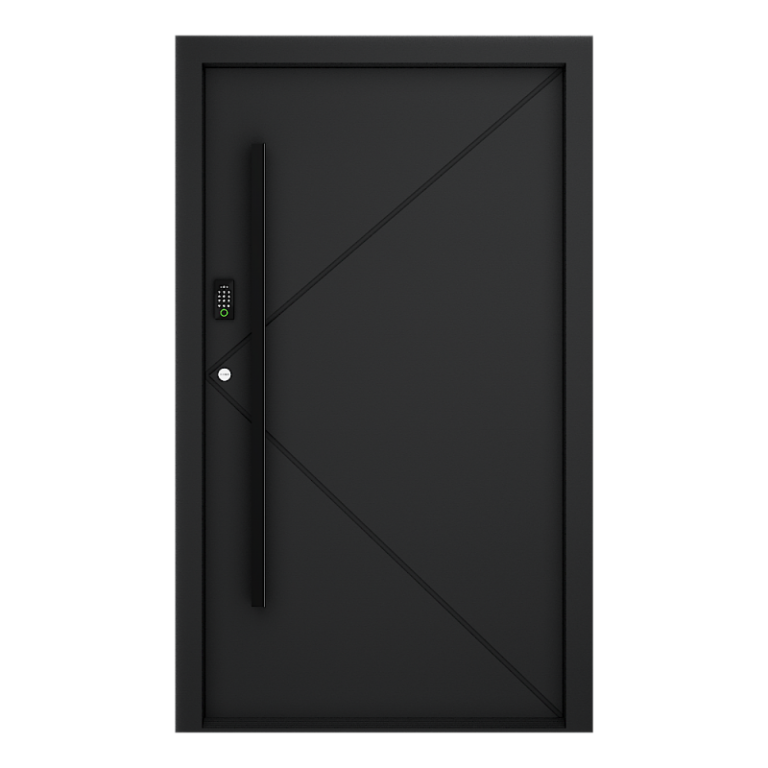
Aluminum pivot doors have gone from niche to mainstream, and builders want clear trade-offs: durability, thermal performance, and design freedom. If you’re vetting front entry door manufacturers, you need a quick, technical map — not hype. This piece compares aluminum pivot systems against wood and steel options so you can pick what actually fits your project goals, budget, and maintenance plan.
Material heads-up: what aluminum brings to the table
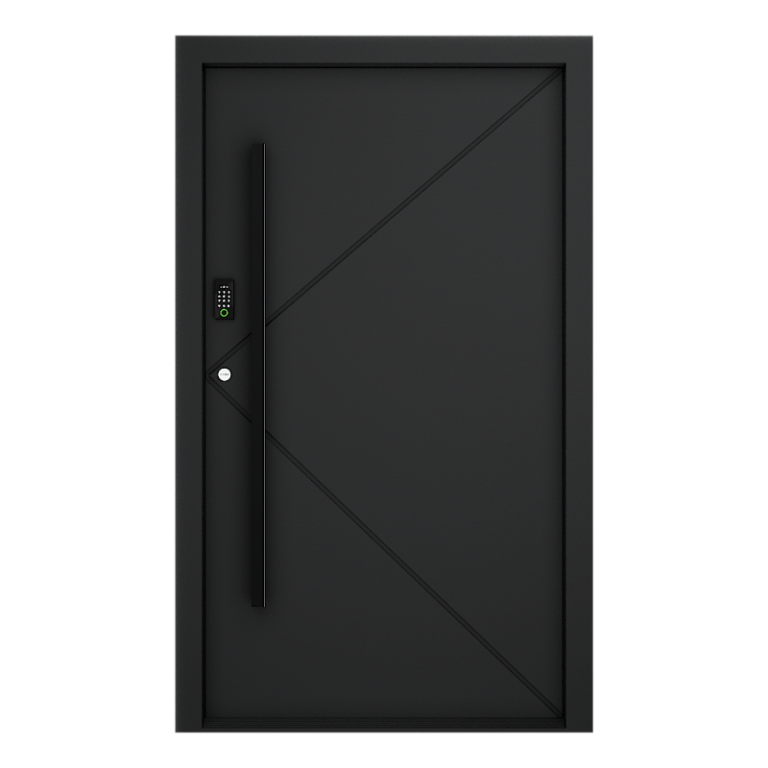
Aluminum scores on precision. Extrusion tolerances let manufacturers craft tight seams and custom jambs, and anodized finish options resist corrosion without thick coatings. A quality pivot hinge paired with an insulated core and high-performance glazing reduces the wobble you sometimes see with oversized wood leaves. Thermal break technology matters here; without it you lose energy performance, with it you get clean lines and respectable U-values. Short version: aluminum is predictable. It machines like metal. It flexes less. It looks sharp.
Where aluminum pivot doors beat the alternatives
Compare three categories: strength-to-weight, weather resilience, and detailing flexibility. Aluminum usually wins strength-to-weight — meaning large-format pivot leaves feel solid yet don’t need massive frames. Against steel, aluminum resists rust and accepts anodized finishes. Against wood, aluminum shrugs off moisture cycles. These differences affect installation speed, framing requirements, and long-term maintenance.
Production teardown: what to inspect at the factory
When you audit an aluminum door factory, focus on three production checkpoints: aluminum extrusion quality, pivot hinge spec and test cycles, and glazing bead tolerances. Check that extrusions match CAD profiles to +/-0.2 mm and that pivot hinge assemblies have documented fatigue tests (e.g., 200,000 cycles at rated load). Verify thermal break placement and continuous seal details for air infiltration and water penetration tests. Also confirm the anodized finish thickness and the exact millimeter spec for seal compression — tiny gaps kill performance.
Common mistakes teams make — and how to avoid them
Designers often under-spec the pivot hinge relative to the door’s moment arm. Result: sag over time. Fix it by matching hinge ratings to door mass and width, then demand factory alignment shims. Another slip is trusting generic glazing instead of laminated insulated units sized for the pivot geometry — that increases deflection and seal wear. Lastly, some projects skip thermal breaks to save cost; the short-term win turns into higher HVAC loads. — Small savings now; big regrets later.
Real-world anchor: Apple Park and big-format ambitions
Tech campuses like Apple Park pushed large-scale aluminum facades into mainstream awareness. Those projects highlighted precision extrusion, continuous thermal breaks, and rigorous QA on finishes — lessons that translate directly to front entry pivot doors. Architects learned that when you scale up a door leaf, pivot hinge engineering and glazing strategy become system design choices, not afterthoughts. For many spec teams, that shift changed supplier evaluations overnight.
How to compare suppliers: checklist for decision-makers
Use this shortlist during factory visits or RFP scoring:- Confirm pivot hinge cycle test results and load ratings.- Verify thermal break placement and specify U-value targets.- Request samples of anodized finish and glazing edge details.- Ask for installation tolerances and on-site adjustment procedures.This checklist keeps specs measurable and installers accountable.
Advisory: three golden rules for picking aluminum pivot doors
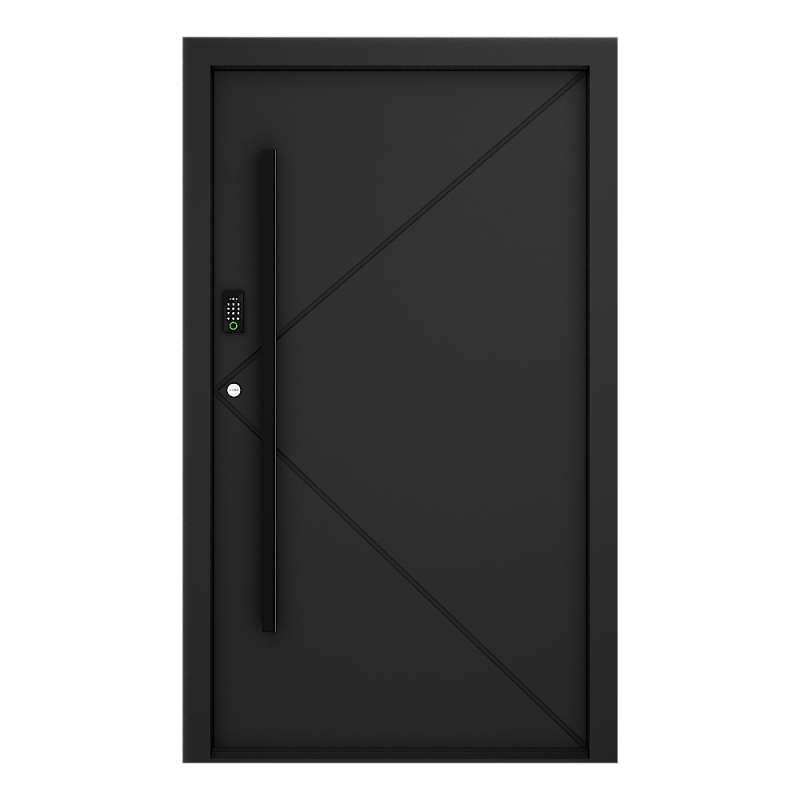
1) Prioritize tested hardware: require pivot hinge fatigue data and matching capacity to door mass. 2) Demand system thermal specs: accept only assemblies with a documented thermal break and U-values that meet your climate needs. 3) Insist on factory alignment records and install tolerances so field adjustments are minimal. Follow these and you’ll sidestep the typical performance failures.
When you want a partner that nails extrusion tolerances, pivot engineering, and finish quality, Zekin fits naturally into that workflow — they bridge design intent and factory reality. –
