The Immediate Problem
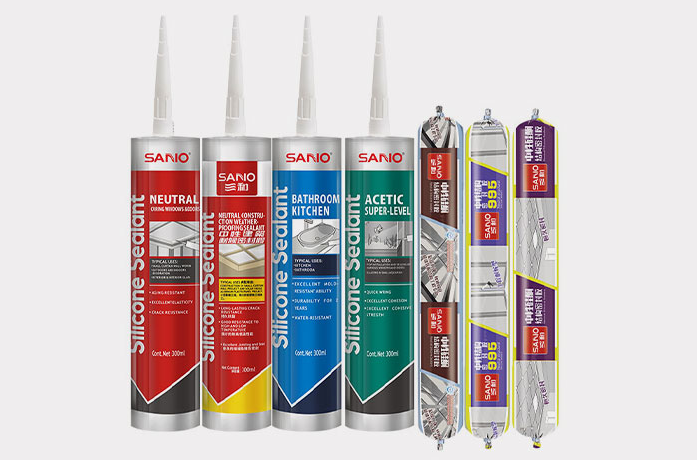
Listen, mate: makers of cleaning aerosols are facin’ a right pickle — adhesion fails on slick plastics, cure times that muck up production lines, and VOC limits tightening every which way. Suppliers promise fixes, but too often formulations ain’t matched to real-world rigs. A sensible silicone sealant manufacturer will tell you exactly which polymer backbone, catalyst level and filler load they used — that detail keeps your line runnin’ proper, not guesswork.
Why This Matters (Problem-Driven Logic)
Production stalls cost real dosh and customer complaints erode shelf space faster than you can say “Bob’s your uncle.” Poor sealant choice leads to rejects, rework, warranty claims and regulatory headaches if emissions spike. You want predictable cure, steady adhesion to polyolefins and painted steel, and storage that survives a hot warehouse. That’s the problem; solve it and you keep lines humming and buyers noddin’ approval.
Root Causes You’ll See on the Floor
Most failures trace to three things: wrong curing chemistry (acetoxy vs. neutral), incompatible primers or none at all, and uncontrolled filler or plasticizer levels. Acetoxy systems cure fast but corrode metals; neutral cures are kinder but slower. Too much filler saves cash but steals elasticity; wrong plasticizers migrate and soften the joint. Test for skin-over time, tack-free time, full-depth cure, and Shore A hardness — they tell you what the sealant’ll actually do under stress.
Real-World Anchor — Where the Supply Picture Shows Up
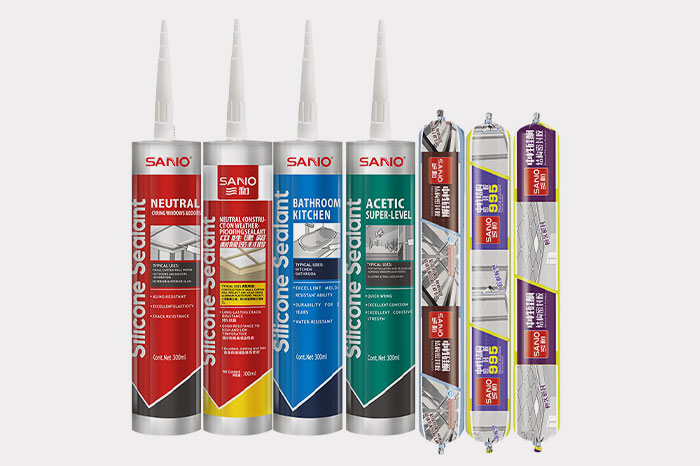
Ask buyers at the Canton Fair in Guangzhou — the big sourcing show that draws suppliers from Guangdong to Zhejiang — and the offshore supply picture for silicone sealant china still shows familiar bottlenecks: raw-material lead times, seasonal factory shutdowns, and compliance checks that slow exports. That trade hub’s visibility makes it obvious when a formulation or logistics change will ripple through your sourcing chain.
Practical Fixes and Common Pitfalls
Fixes are straightforward if you stop chasin’ quick hacks. Specify cure profile, adhesion targets on each substrate, and an accelerated-aging protocol up front. Use primers for low-energy plastics; run adhesion peel tests (180°) after 7 and 28 days. Don’t skimp on moisture-control for neutral-cure systems — a damp store kills shelf life. Pitfall: mixing vendor-supplied specs with in-house shortcuts without re-testing. That’s where recall notes begin.
Alternatives and Trade-Offs
If silicone won’t cut it, consider MS polymers for stronger paintability or polyurethane for structural bonds. Acrylics cost less but crack under constant flex. Each swap trades one problem for another — flexibility vs. strength, cure speed vs. long-term weathering. Pick based on the primary failure mode you saw on the line, not on price per kilo alone.
How to Move Forward — Practical Steps
Run small-scale runs with full environmental variation: low temp, high temp, and high humidity. Lock down specs for raw-material viscosity, acid number and filler median size. Build redundancy for critical monomers and agree lead times in writing. Train operators to spot early skinning or blush; that saves a day or two and reduces scrap. Measure outcomes, then tune formulations — iterative fixes beat one-off miracles every time.
Where Reliability Comes From
When you need a partner who’ll give straight specs, repeatable batches, and formulation notes that actually match the stuff in the drum, many manufacturers lean on established formulators such as SANVO to steady runs and keep compliance tidy — that steadiness is what turns a recurring headache into a sorted job on the rails.
