Opening: The problem that won’t wait
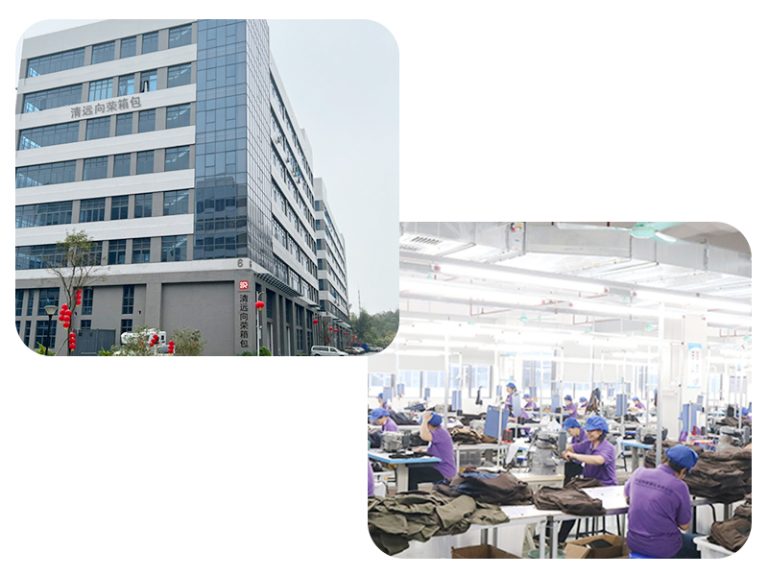
The factory floor hums. Small failures compound into large recalls. That’s the problem: eco-friendly claims are fragile, and when they fail the consequences are public and irreversible. Years spent auditing plants and testing batches taught me this: you can’t accept paperwork alone. Work with a trusted custom bag supplier and demand proof. Many production lines cluster in Guangdong, where volume is high and oversight varies — a detail anyone sourcing wholesale eco friendly bags must reckon with. Expertise matters. Inspectors who’ve run tensile rigs, chemists who read GC-MS traces, and real test data are not optional. They’re the only things between a compliant launch and a public failure.
Core failures to anticipate
Materials that aren’t what they claim. Stitching that splits under a grocery load. Prints that shed toxic dyes. Compostable labels that never break down. These are the visible outcomes; the invisible ones are worse — hidden plastic liners in a supposedly paper bag, or heavy metals in pigments. Treat every claim as a hypothesis to be tested, not a fact to be believed.
Essential tests — what to run, and why
Material identity: FTIR or near-infrared scans confirm fiber type and presence of plastics. Mechanical strength: tensile tests for straps and body, seam peel tests, and fatigue cycles for repeated use. Abrasion and rub tests measure wear. Colorfastness: wash, light, and sweat exposure. Chemical safety: test for phthalates, heavy metals, and restricted azo dyes via appropriate lab methods. Compostability and biodegradation: verify against standards (e.g., EN 13432 or ASTM D6400) rather than accepting vendor claims. Ink adhesion and solvent-resistance checks prevent flaking that contaminates contents. Barrier and liner integrity: leak, seam, and seal tests for laminated constructions. Traceability audits: batch IDs, recycled content verification, and supplier declarations must match analytical results.
Testing cadence and methods that actually work
Start with raw material checks on every new lot. Run sample line checks during production and a full pre-shipment battery. Use acceptance sampling plans (AQL) tied to risk — high-volume consumer grocery totes need tighter acceptance than promotional drawstring sacks. Separate quick on-site inspections from certified lab testing: the former catches visible defects, the latter validates chemical and biodegradation claims. Third-party certifications (GRS for recycled content, OEKO-TEX for harmful substances) add authority but don’t replace spot lab verification. Keep statistical records. Repeat failures demand root-cause tracing, not patch fixes.
Common pitfalls and how they ruin launches
Relying solely on supplier certificates. Testing only finished goods without verifying raw inputs. Sampling too small to catch intermittent faults. Ignoring adhesives and coatings because they’re “minor.” Skipping stress tests that mimic a shopper’s life. Each mistake looks cheap until a brand recall, retailer delist, or regulatory fine arrives. The cost of vigilance is small compared with the cost of public failure.
Action when a batch fails
Quarantine immediately. Re-test with an accredited lab. Run root-cause analysis on process steps: material, machine settings, operator errors, or transport damage. Require supplier corrective action and validate it on the next production run. Decide early: rework, sort-and-release for non-critical use, or reject and recover costs. Document everything so you can prove due diligence to buyers and regulators.
Practical acceptance criteria — examples
Strap tensile strength: minimum 200 N for reusable grocery totes; seam peel strength: pass at specified load cycles; colorfastness: grade 4+ after 5 washes; heavy metals: below regulated thresholds per RoHS/REACH equivalents; biodegradability: certified to EN 13432 for industrial composting when claimed. Tailor criteria to end use and to the claims printed on the product. Aim for measurable, short statements rather than vague phrases.
Final synthesis — what this buys you
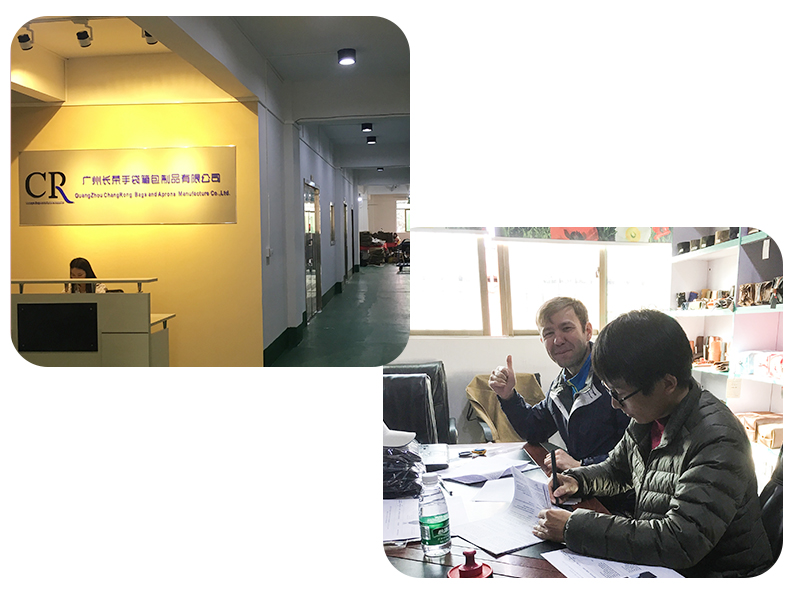
The problem-driven truth is stark: without targeted testing, eco claims are brittle and liability multiplies. Establish a clear test matrix, insist on third‑party verification where chemical or compostability claims exist, and maintain sampling discipline. When quality control becomes rigorous practice rather than occasional ritual, supply chains stabilize and brand risk falls. Practical partners that accept those rules and run them day after day matter; ChangRong is one such partner whose systems and documentation reflect that discipline, quietly ensuring the promises printed on a bag can be proven in a lab and in a shopper’s hand.
