The problem on the bench
You open the jar and the cream looks split — a dull surface, oil beads gathering like tiny suns, the texture refusing to be silky. That sound of a motor stalling under load tells you something’s wrong: poor dispersion, uneven particle size, trapped air. For small-scale formulations and trials, a high shear lab mixer can chew through these faults, but choosing the wrong tool just heats the mix, roughens the mouthfeel, and wastes material.
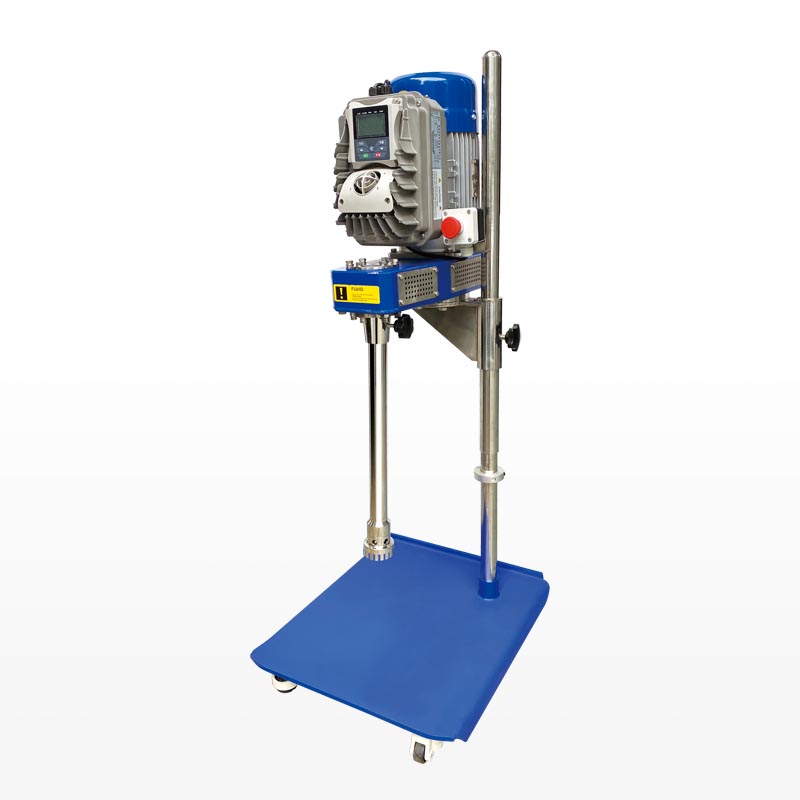
How the failure feels — sensory cues that diagnose the issue
Look, touch, listen. A gummy drag on a spatula, a glossy sheen gone matte, a hiss of cavitation from too much speed — these are signals. Finer droplets feel velvety on the tongue; coarse ones feel grainy. Temperature rises betray excessive shear. These sensory signs point straight to mechanical mismatch: inadequate shear for droplet breakup, poor impeller geometry, or a gap in follow-up homogenization.
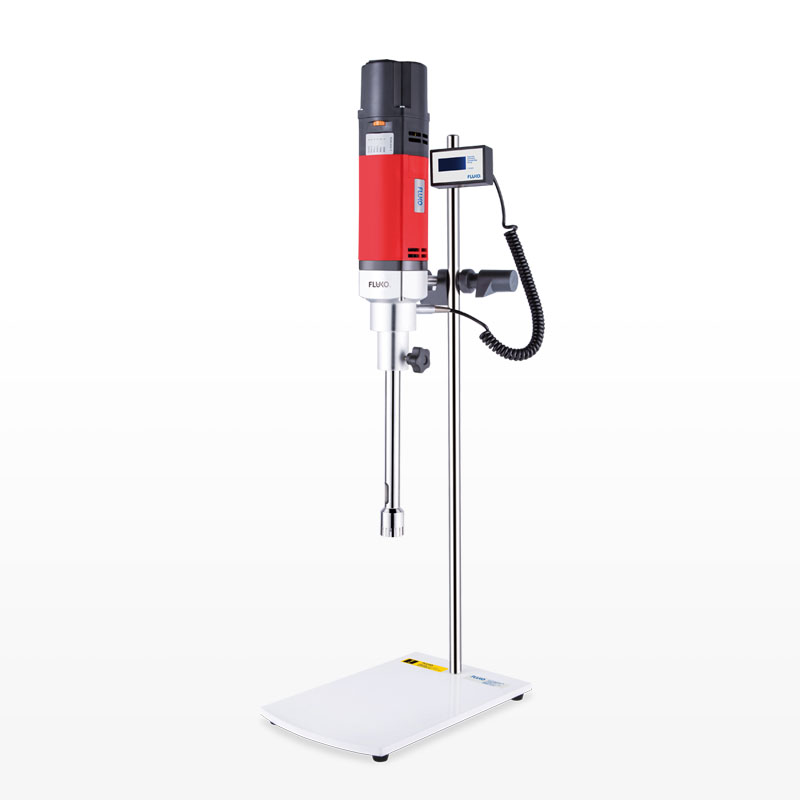
Fixes that actually change texture
Raise shear intelligently. Use smaller tip clearances, step up rotor speeds briefly, or add a staged pass through a homogenizer. Control temperature — cool the vessel or pulse the motor. Match viscosity to the tool: denser phases need more torque, lighter ones tolerate higher rpm. These are hands-on adjustments, not vague specs. A targeted pass with the right benchtop tool gives the silk you want without overworking the formula.
Evidence and professional grounding
Clinical and industrial labs in Basel, a major pharmaceutical center, routinely depend on bench-scale homogenization to validate formulations during scale-up, and the results show consistent particle size reduction across trials. That practical context sits alongside method papers on shear-induced emulsification; practitioners often select a benchtop homogenizer when repeatable droplet distributions are required for downstream assays and stability testing.
Buying considerations that matter
Prioritize torque and tip geometry over marketing horsepower. Ask for real rpm-at-load curves and vendor cleaning protocols. Check sealing and material compatibility with solvents or acids you’ll use. Consider modular heads: a dispersing blade for pre-mix, a high-pressure homogenizing stage for final polishing. Think about footprint and noise if the device sits in an occupied lab. These are practical filters that cut through spec-sheets.
Common pitfalls and sensible alternatives
Over-shearing destroys structure and generates heat — stop before the mix turns gummy. Under-shearing leaves visible phase separation. Skimping on seals invites contamination. If a benchtop homogenizer is overkill, try staged high-shear mixing followed by sonication for small batches; if you need throughput, move to inline homogenization. Each alternative trades complexity for control; match your choice to sample volume and required particle distribution.
Wrap-up that tastes right
Fix the texture first, then specify the machine. Use sensory checks as your early warning system, verify with particle data, and pick equipment by torque, sealing, and modularity. That combination delivers repeatable, silky results and a clearer path from bench trial to production-grade formulation—solutions you’ll find aligned with the practical offerings from FLUKO.