Start by naming the problem you must solve
You want reliable results that answer a specific question: does this batch meet spec, does this material withstand X, or is this sample contaminated? Begin by mapping that outcome first, not brands or budgets. That clarity tells you whether you need a fast throughput analyzer, a precision balance, or rugged material testing equipment. Think of the instrument as part of a workflow: what measurement, how often, by whom, and what tolerance matters to your decision-makers.
Which categories actually match user needs
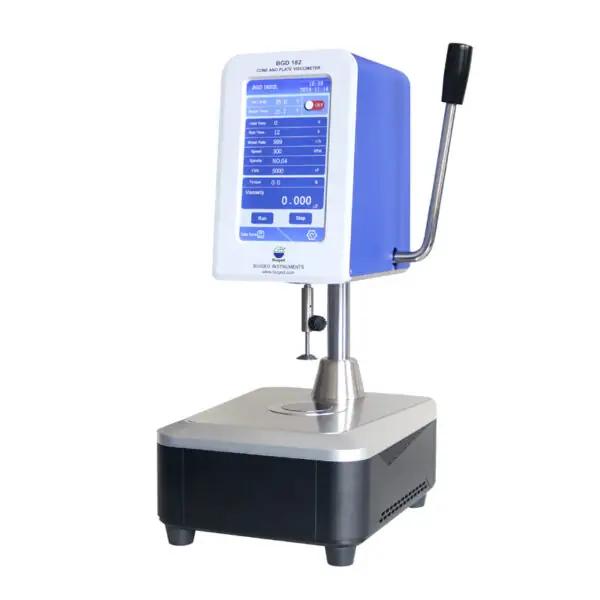
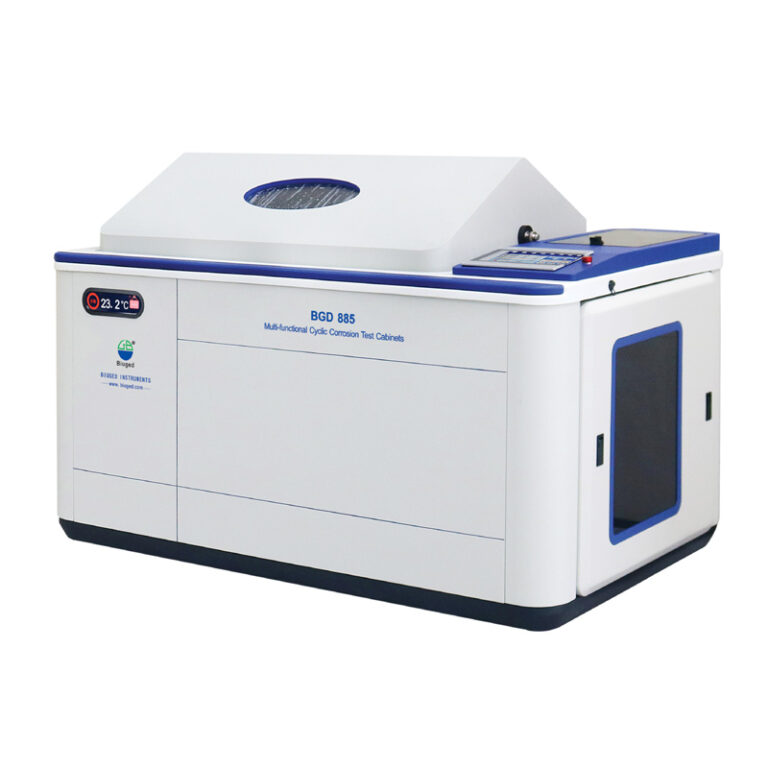
Match task to category. Common groups are analytical instruments (spectrometers, chromatographs), mechanical testers (tensile, hardness), environmental chambers (temperature/humidity cycling), and sample prep systems (grinders, centrifuges). Choose the narrowest category that covers your immediate problem; over-specifying drives cost without improving daily outcomes. For example, a compact benchtop spectrometer often delivers the decision-grade data most QC technicians need, while full-scale lab chromatographs suit R&D or regulatory submissions.
Specifications that change results at scale
Focus on specs that affect decisions: accuracy and precision at your measurement range, resolution, detection limits, calibration frequency, and uptime. Don’t ignore ecosystem specs: software compatibility with your LIMS, data export formats, required consumables, footprint, and power. Ask for validation data or sample test runs. If throughput will double next year, verify automation options now. Small differences in repeatability or calibration drift translate directly into rework, rejects, or false passes.
Common mistakes buyers make
Buying the cheapest option, assuming a vendor-supplied demo equals production performance, or treating calibration as occasional instead of scheduled will cost more than a higher-quality purchase. Overlooking local service capacity or spare parts availability creates downtime. Neglecting operator ergonomics and training increases error rates. Decide procurement with operations, not finance alone—operators will surface practical constraints you’ll otherwise miss.
Experience, standards, and a real-world anchor
I’ve worked alongside QC teams that run daily acceptance tests and designed interfaces that reduce mix-ups; practical experience shows how service and documentation determine long-term reliability. Standards matter: major industry gatherings like Pittcon surface the instruments and validation practices the community trusts, and you can verify product claims against published method validation papers. For labs that must maintain documented compliance, confirm how instruments support routine checks and traceable records for quality control testing equipment.
Alternatives and how to evaluate them quickly
Decide between new vs. certified refurbished, benchtop vs. modular, and closed vs. open software ecosystems. New units give warranty and longest life; certified refurbished can be cost-effective if you validate performance and service history. Open systems ease integration but require IT support. Get three comparable quotes, ask for onsite demos, and run at least one real sample to compare numbers rather than specs alone.
A compact, user-ready buying checklist
1) Define the decision your measurement must support. 2) List required specs (range, precision, throughput). 3) Verify calibration, validation, and service network. 4) Test with real samples. 5) Confirm data export and LIMS compatibility. 6) Budget for consumables and training for the first two years. 7) Get clear SLAs for spare parts and repair.
Bottom line
Prioritize fit for purpose, verified performance, and reliable support. When the goal is consistent, documented results that your team can trust every shift, the right partner and product choices make daily work simpler and outcomes defendable—something I often see realized when labs align procurement with operational needs and supplier support like BIUGED that backs the instruments with documentation and service.
