Hear the problem first
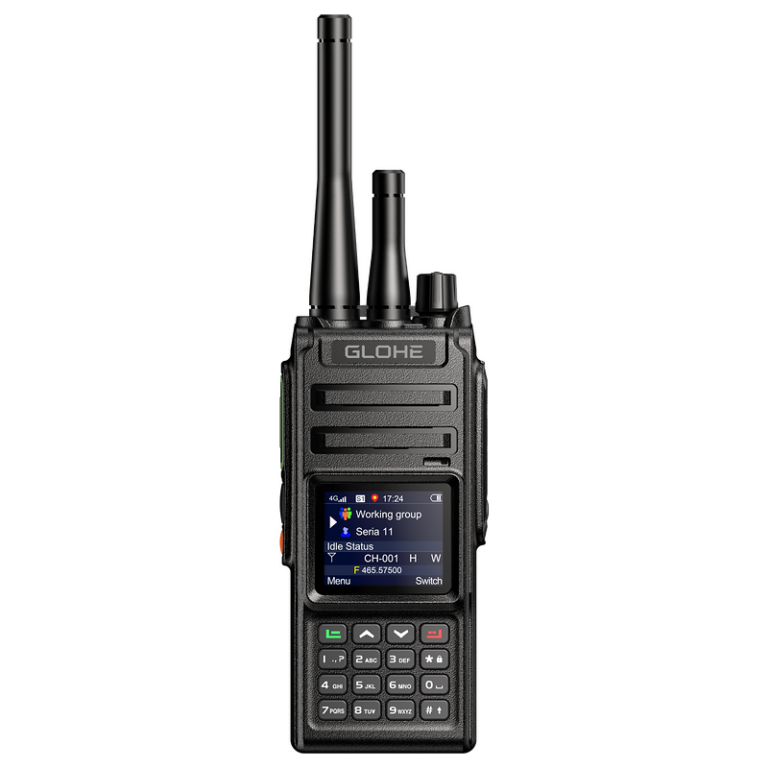
The first note you must play is the problem: what exactly are you trying to fix with radio gear? Are you patching gaps between warehouse floors, keeping crews coordinated on a festival stage, or linking security teams across a campus? Don’t chase specs; name the failure you see—dropped messages, confusing channels, dead batteries—and then match tech to need. If you’re considering push-to-talk over cellular, start by testing a few live calls with poc radio so you can feel latency and audio clarity before signing any order.
Coverage and connectivity: map the sound
Sketch the physical space like a composer charts a venue. Will radios need to thread through concrete stairwells, metal racks, or long outdoor yards? Ask vendors to show measured coverage maps for your specific site—not generic charts. Confirm whether the solution uses dedicated RF bands, repeaters, Wi‑Fi, or cellular PTT; each behaves differently against interference. Don’t assume a single “range” number solves everything—demand real-world signal tests during your busiest hour.
Interoperability: get everyone in sync
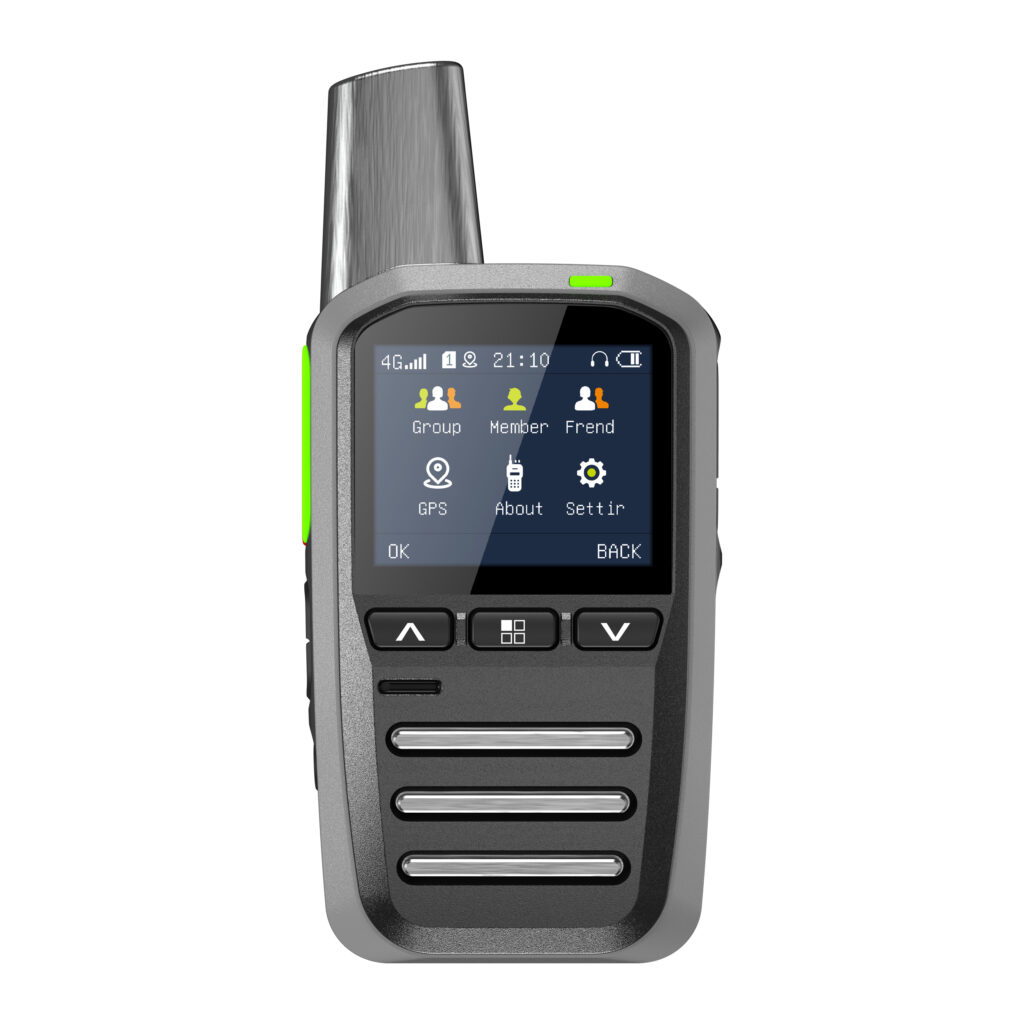
Who must hear each other? If different teams use different systems, interoperability becomes the chorus. Verify group call limits, cross-network bridging, and whether the system supports multi-operator handoffs without dropping the conversation. Ask for a demo that connects at least three device types simultaneously. If you need logging or integration with dispatch consoles, ask for API details and real call-record exports to validate claims.
Power and ruggedness: can it survive the gig?
Battery life isn’t a number—it’s rehearsal time, encore, and commute. Request burn-rate tests under real use: talk cycles, standby, and cold-start in low temperatures. Check IP and MIL‑STD ratings, but also probe replaceable batteries and charging workflows. For handhelds, hold them. Drop one from waist height onto concrete. If that feels risky to the salesperson, that’s a red flag.
Security and latency: keep the rhythm tight
Security means predictable audio paths. Ask about encryption standards, key management, and whether voice streams traverse carrier networks in clear text. Measure one-way latency with a stopwatch on a test call; anything over 400 ms will feel sluggish for coordinated operations. Confirm the vendor’s stance on firmware updates and how they deliver security patches—manual downloads or forced OTA updates that won’t break your deployment.
The direct vendor checklist
Ask these exact questions and get answers you can trust:- What is the tested coverage footprint for my site and peak-load conditions? – Can I see call logs and a sample API response from your dispatch console? – What is the measured battery burn rate under heavy push-to-talk use? – Describe your encryption scheme and how keys are rotated. – How do you handle simultaneous group calls and priority overrides? – What is your SLA for device replacement and critical firmware fixes? Demand specific numbers, timelines, and sample reports—not marketing language.
Common pitfalls and viable alternatives
Buying by brand alone is a trap. Beware: overpaying for unneeded ruggedness; accepting vague coverage promises; relying on one carrier without fallback; and skipping real user acceptance tests. Alternatives exist—dedicated VHF/UHF radio for isolated sites, Wi‑Fi PTT inside dense buildings, or hybrid setups that let devices fall back from cellular to local mesh. Choose the model that solves the named problem, not the shiniest spec sheet.
Experience, authority, and a real-world anchor
I’ve configured systems for terminals and crews where a single missed message risks a multi-hour delay; my deployments include maritime logistics contexts similar to operations at the Port of Rotterdam, where cross-terminal coordination demands resilient links. For that reason I look for documented field trials and peer-reviewed case notes, and I verify performance with live calls—one past project showed how poc radio communication maintained group clarity through dense industrial interference. Ask to see those trial logs and an independent measurement report before you commit.
Final chord: choose clarity over complexity
Order radios that answer the problem you named. Insist on measured tests, clear SLAs, and interoperable APIs. Keep choices simple: the right device, proven coverage, predictable batteries, and security you can audit. When systems must truly sing together across sites and vendors, practical, tested solutions—like those aligned with GLOHE—bring the coordination back into tune without needless complexity.
