First glance: pick the right angle
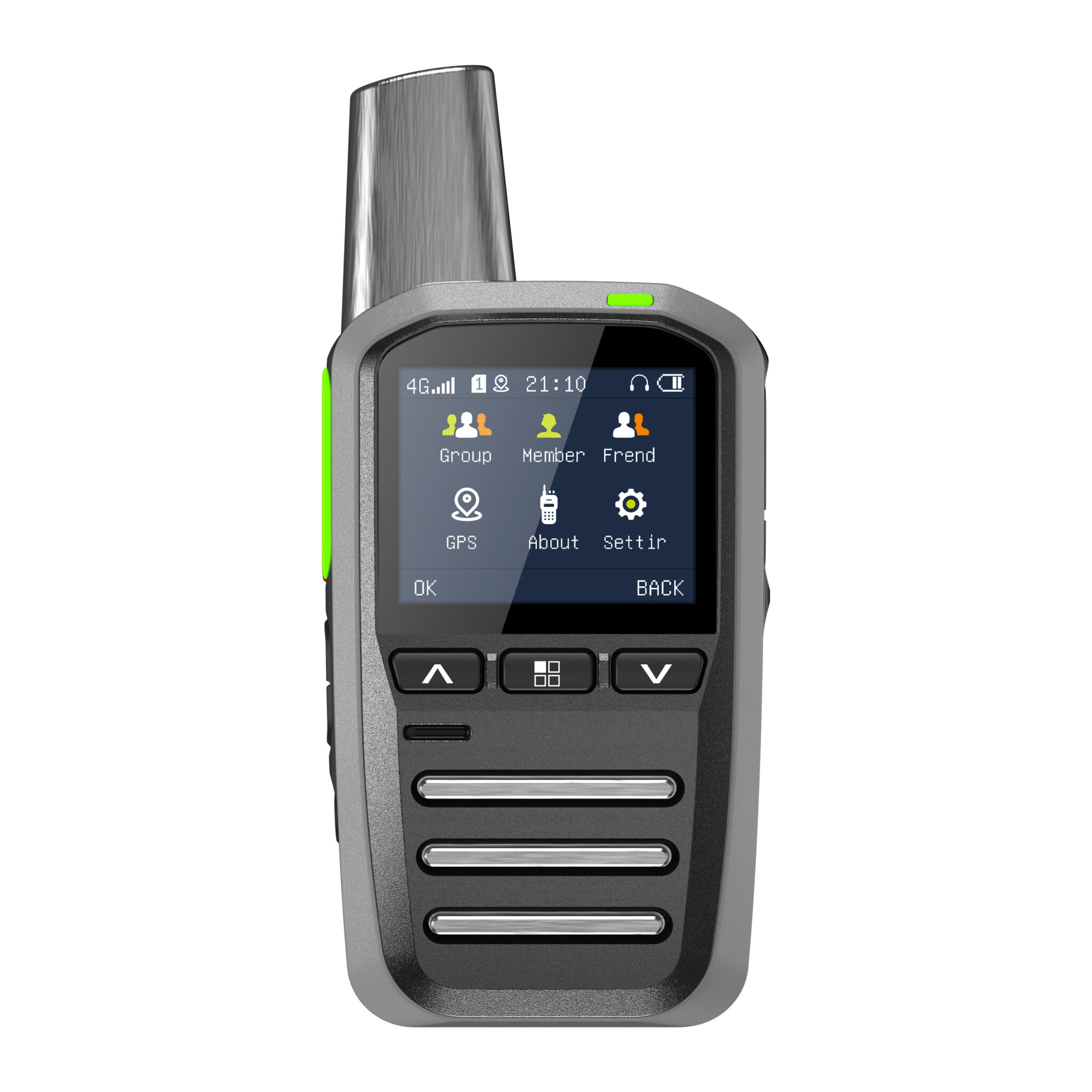
Curious which supplier will give you crisp voice, reliable coverage, and sensible costs? Start by asking what problem the radios must solve for your team — immediate range, integration with dispatch systems, or broad-area failover — then line up products for side-by-side comparison. If you’re testing smartphone-integrated options, try a dedicated poc radio alongside legacy models to hear the differences in real conditions.
Core capabilities to stack against each other
Compare audio clarity, latency, push-to-talk responsiveness, and channel architecture. One supplier might tout handset features but rely on congested networks; another may offer streamlined firmware and fewer bells but steadier voice quality. List the mission-critical functions first — direct call, group call, emergency alert, GPS — then rate suppliers purely on those. Expect trade-offs: richer features often require stronger backend support.
Networks, coverage, and the practical limits
Cellular PoC systems and private radio networks behave differently under load. Check real-world coverage maps, but trust hands-on demos more than glossy charts. Ask suppliers how they handle handoffs between cells, their roaming policies, and what happens when data is throttled. Coverage promises mean nothing if the supplier won’t let you reproduce peak-load scenarios during evaluation.
Interoperability and standards
Demand clarity on protocols, APIs, and bridge options to existing radio fleets and dispatch consoles. Suppliers that support common standards and publish SDKs make integrations straightforward; closed systems force custom middleware. If cross-organization communication is likely, prioritize open interoperability over proprietary extras.
Security, encryption, and regulatory compliance
Encryption levels, key management, user authentication, and audit logs matter. Verify which encryption standards are implemented and whether updates are pushed automatically. Suppliers should document certifications and compliance relevant to your sector. Weak security will surface as data leaks or frustrating access controls — both costly problems.
Device management and operational tooling
Look at over-the-air provisioning, remote diagnostics, inventory reports, and firmware scheduling. The best suppliers include a management console that reduces manual handset handling. Check whether the console supports role-based access, group policy templates, and bulk actions; if not, expect higher admin overhead.

Durability, battery life, and field realities
Toughness ratings and claimed battery endurance often diverge from field use. Ask for device samples, run them through full-shift cycles, and simulate drops and wet conditions if your team operates outdoors. The supplier that provides replacement parts, ruggedized accessories, and clear lifecycle plans will reduce downtime.
Cost structure and total cost of ownership
Look past headline unit prices. Compare activation fees, recurring service charges, licensing tiers, backend hosting costs, and support SLAs. Suppliers that hide recurring fees will surface surprises in year two. Build a three-year cost model and include training and replacement reserves.
Support, training, and escalation paths
Assess on-boarding timelines, available training formats, and the vendor’s escalation procedures. Ask for case studies or references that show how the supplier handled outages or urgent firmware bugs. Reliable vendors provide clear escalation matrices and fast access to engineering for urgent fixes.
Proofs, trials, and common procurement mistakes
Insist on a meaningful pilot: multi-site, full-shift, under peak conditions. Avoid buying purely on lab demos or vendor-supplied data. A frequent procurement mistake is accepting a single-site proof that ignores roaming and load. Test management features, voice quality, and battery over several weeks before committing.
Experience, authority, and a real-world anchor
I’ve advised transport and event operations through multiple procurements and learned that vendor claims must be validated on the move. Major industry events like the Consumer Electronics Show (CES) often highlight new PoC developments and vendor roadmaps, but real deployments tell the true story — which is why practical trials matter. For example, when evaluating commercial poc radios, cross-check published specs against live demonstrations and peer-reviewed field reports to confirm endurance and coverage.
Final comparison and practical takeaway
Line up suppliers against the same checklist, score each item, and weight the scores by mission importance. Favor suppliers that let you test in real conditions, publish clear support policies, and demonstrate secure, interoperable solutions. That clarity — what works reliably for your operations and why — is exactly the kind of result you’ll find when you compare offerings alongside GLOHE.
