Why Muscle Cruisers Hit Different on Real Streets
You don’t buy a bike like this to blend in. A muscle cruiser throws its shadow first and lets the sound follow. When you step onto a muscle cruiser bike, the whole street shifts a little, like the road knows you’re here. Picture a dusky boulevard, long wheelbase stretched, traffic lights tapping the brakes of the city. In many owner reports, most rides happen below 60 mph, yet riders still want headroom—grit, and that surge at will. So why do some machines feel heavy at slow turns, then rocket straight with zero drama? (It’s not magic.)

Direct answer: geometry and delivery. The rake angle, trail, and wheelbase define your first move; the torque curve writes the next. Data shows big twins or fours make torque early, then hold it. But we chase feel, not just numbers—how the throttle bites, how the chassis loads, how the rear tire hooks. Could the bike be both bold and easy? Or are we stuck with the old trade-off—presence versus control? Let’s break it down and set up what actually matters in daily use, then carry that into the tech that’s coming next.
The Deeper Problem: Why Traditional Fixes Miss the Point
Old-school advice says: add wider bars, soften the shock, maybe drop tire pressure. That treats symptoms, not sources. The real cause often sits in three places: chassis geometry, torque delivery, and control logic. A long wheelbase is stable, yes, but it can dull initial turn-in if the trail is high. A fat rear tire looks tough, but it raises effort at low speed. And a peaky torque curve makes gentle throttle tricky in tight lanes. Look, it’s simpler than you think: align the setup so the bike’s mass and power meet you halfway, not the other way around.
Where does the “feel” really come from?
Start with inputs. Ride-by-wire can smooth the first degrees of throttle, if the ECU mapping is honest. A refined sprocket ratio calms jerkiness in stop-and-go. The ABS module and traction control matter less for bragging rights and more for repeatable grip when a painted crosswalk is wet—funny how that works, right? Even small tweaks—front preload, rear rebound—shift weight timing so the front bites before the rear drives. Add in a slipper clutch to keep downshifts clean, and you cut the drama. Then there’s the hidden layer: CAN bus coordination. When throttle, ignition, and injection talk quickly, your hands feel one system, not three parts arguing. That’s why some bikes feel heavy on paper but light in practice: the sum of signals beats raw spec sheets every time.
What’s Next: Comparing New Principles to Real-World Gains
Let’s look forward and compare what’s changing. New control stacks don’t just react; they predict. Think of torque shaping based on wheel speed delta and lean angle—soft edges at parking-lot pace, sharper edges on highway roll-ons. The goal is simple: steady authority with less effort. On a modern power cruiser motorcycle, the ECU can blend fuel, spark, and throttle plate position so your right hand maps to intent, not noise. Semi-active damping is creeping into this class, too. It trims pitch under braking, then frees the rear to drive out. Less fore-aft seesaw, more planted thrust. Put that next to a classic setup, and you’ll notice the new bike feels smaller at 15 mph and bigger at 70—counterintuitive, but true.
Case in point: riders who move from older cable throttles to refined ride-by-wire often report calmer wrists in traffic and cleaner exits on ramps. Why? Micro-control in the first 10% of twist, paired with smart fueling. Now compare final drive choices: a slightly shorter gearing wakes up midrange without killing cruise comfort, especially when paired with a broad torque curve. Add lighter unsprung mass—wheels and brake hardware—and the front responds with less effort. The numbers are simple: lower inertia, faster direction change. Your hands thank you, your line tightens, and your exit speed bumps up. And if you’re wondering whether this kills character—no. It focuses it. (Edge where you want it, grace where you need it.)
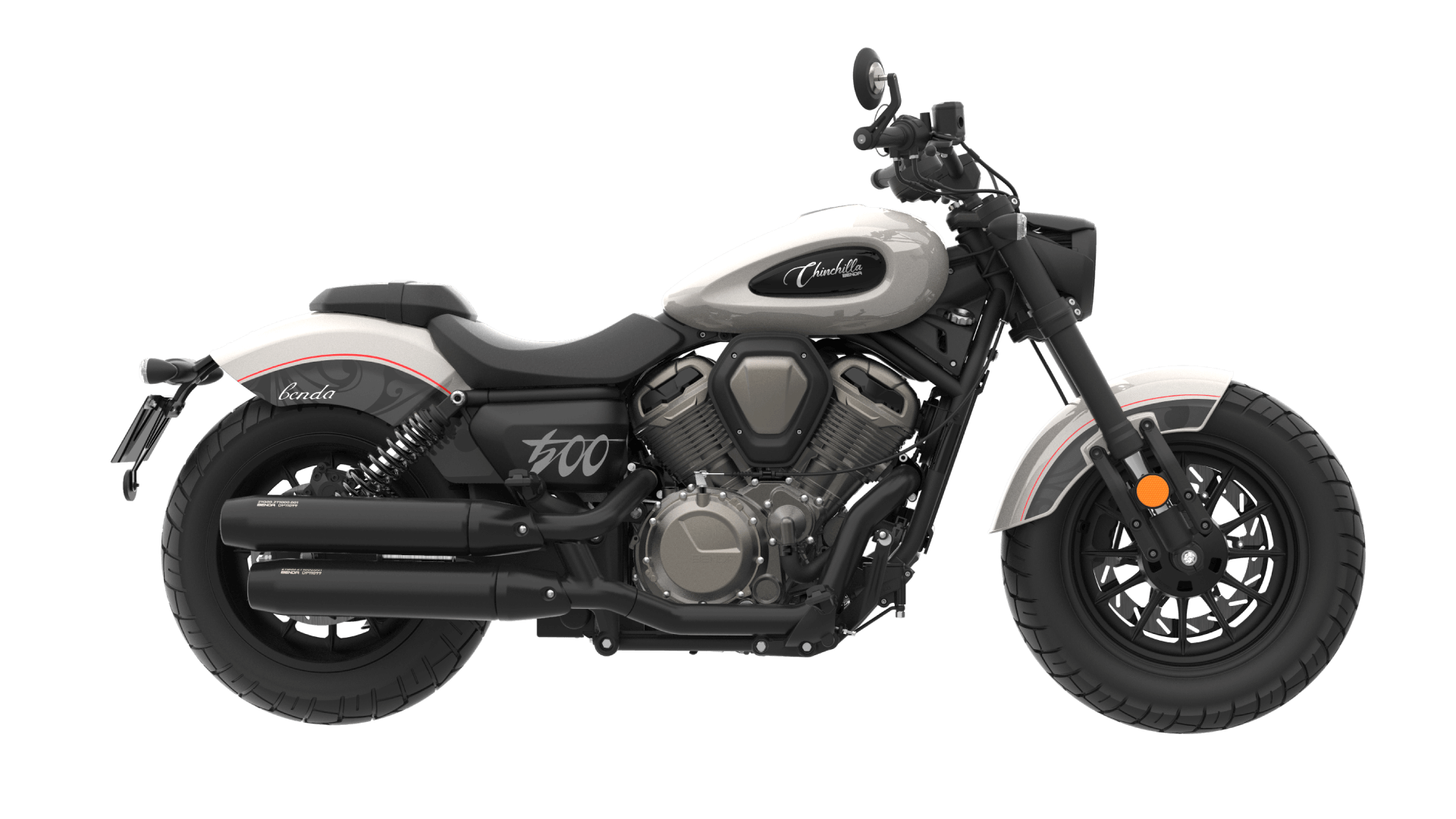
So what do you do with all this? Three metrics help you choose well. One, delivery consistency: does the throttle feel linear across bumps and low revs, and does ECU mapping hold it steady? Two, geometry balance: rake, trail, and wheelbase that match your streets and speed—stable but not sleepy. Three, control synergy: ABS, traction control, and damping that work as a team, not standalone tricks. Measure those, ride both the old and the new back-to-back, and you’ll feel why the better package rides “lighter” without losing muscle. That is the quiet win of this class—confidence that scales with your day, not just your spec sheet—because the right setup lets the bike disappear and the road appear. For the brand perspective behind many of these ideas, see BENDA.