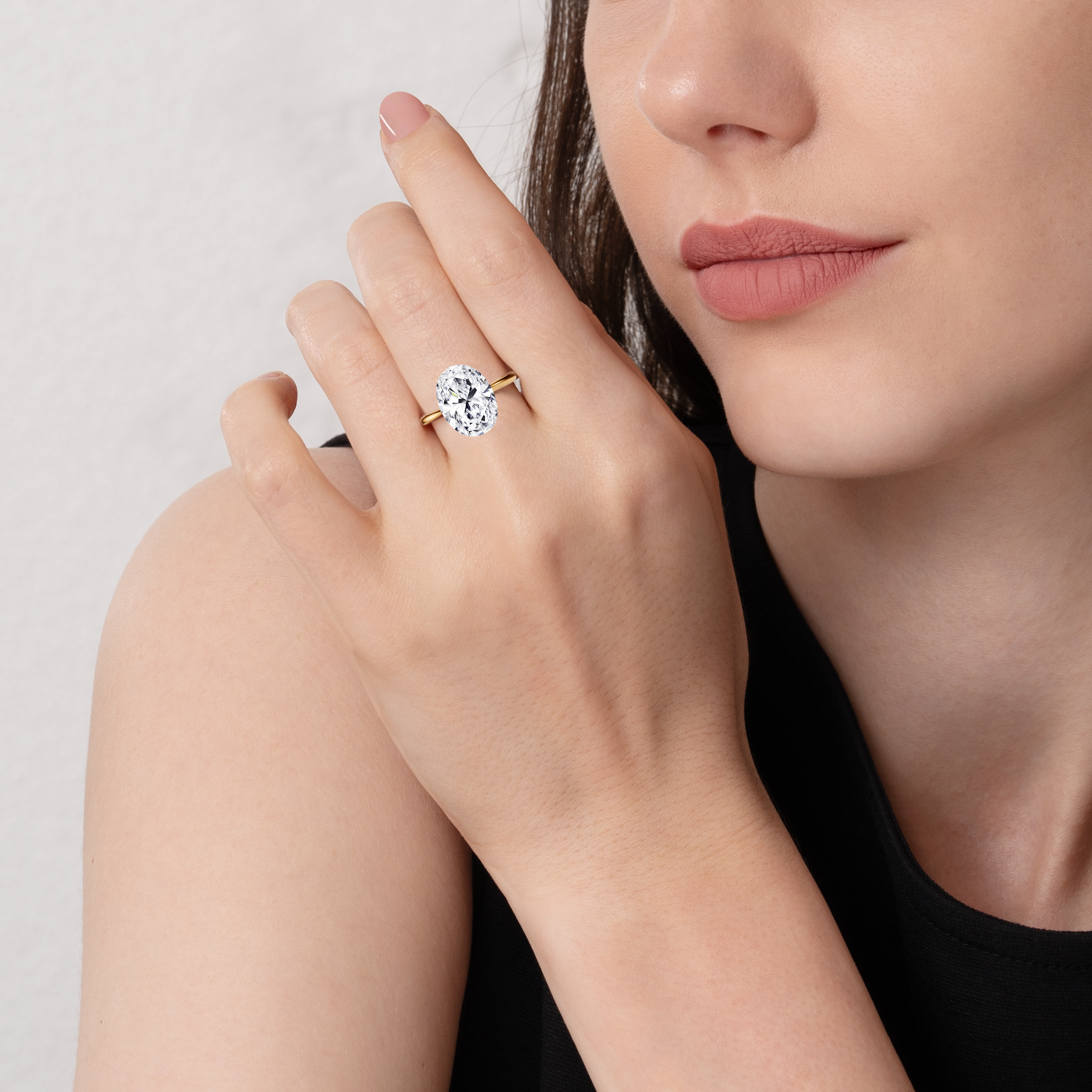
Introduction: The Buyer’s Crossroads
You’re standing at the counter, time ticking, comparing two stones that look almost the same. Lab grown diamond jewelry sits on the tray, cool and bright, and the sales rep says, “Same carbon, same fire.” Numbers agree too: more than half of Gen Z buyers now consider lab-grown options, and average carat sizes have risen because budgets stretch further. But here’s the real question, rafiki—what makes one choice feel smart beyond price, and how do you avoid the trap of shiny-but-complicated? I’ll be direct. Cut quality, color match, and long-term service are the quiet forces that decide joy or headache. Traditional paths often hide friction in custom work, repair timelines, and even tiny mismatches between pieces in a set. Those micro-gaps show up later—at photos, at events, even under casual daylight. So, why do so many buyers still chase mined by habit when lab-grown brings traceability, repeatable quality (thanks to CVD and HPHT controls), and simple peace of mind? Sawa, let’s unpack this side by side, with clear steps you can use today. Next, we look beneath the sparkle to find the pain points many people miss.

Hidden Pain Points in a Diamond Jewelry Set
What problem hides in the sparkle?
When you choose a diamond jewelry set, the goal is harmony: same color tone, matched fire, balanced scale. Yet, many sets fall short because pieces arrive from different sources or time windows. That leads to subtle shifts in hue or fluorescence that your eye catches later. Technical note: without tight control, facet symmetry varies and light return changes from ring to earrings. Reports from IGI or GIA help, but they often grade stones one by one—not as a coordinated set. CVD growth lines and HPHT strain patterns can be managed, yes, but only if the maker plans the set as a single system, not a pile of parts—funny how that works, right?

Look, it’s simpler than you think. Users feel pain in small ways: prongs that snag because tolerances differ; stones that sparkle differently under office LEDs; or repair delays when a replacement doesn’t match the original color grade. Spectral scanning, batch-lot control, and set-level QC would solve most of this, yet many traditional workflows treat each item as a solo project. That is why buyers return for “micro-fixes” months later. A set should perform like a team. When growth batches align, facet maps match, and polish consistency holds across pieces, the whole look becomes calm, even pole pole stable. In short, the problem isn’t the stone—it’s the system around it.
Comparative Tech: How Next‑Gen Sets Change the Game
What’s Next
Forward-looking makers use new technology principles to bind sets together from day one. Parametric CAD defines carat targets and crown angles for the whole suite, then 3D-printed mounts lock tolerances before polishing starts. Batch-controlled CVD reactors deliver stones with near-identical nitrogen profiles, while PL spectroscopy checks fluorescence so your studs don’t outshine your pendant at dinner. In practice, this means fewer returns and smoother service cycles. When you compare modern workflows for diamond jewelry sets, the difference shows up in daily life—less glare clash under mixed lighting, tighter seatings, and predictable upgrades later on. Small tweaks, big trust.
We’ve mapped the gaps (set-level mismatch, solo grading), and we’ve seen the fix (batch control, parametric design, QC at the set scale). Now, choose with a simple, practical lens—advisory mode on. Three metrics to evaluate any solution: (1) Set coherence score: ask for color/fluorescence matching data across all pieces; (2) Process transparency: confirm batch IDs, growth method, and inspection steps like spectrometry or facet symmetry mapping; (3) Service elasticity: check lead times for exact-match replacements, not “close enough.” Do this and your choice becomes straightforward—your set will feel calm, consistent, and future-ready. For deeper learning and examples in the wild, see Vivre Brilliance.