A Game-Changing Scenario
Imagine a bustling warehouse where products move at lightning speed, yet human workers struggle to keep up with the demands. Statistics show that warehouses employing handling robots, particularly those equipped with a six-axis robot arm, experience a remarkable 30% reduction in operational costs. How do these machines offer such efficiencies in fast-paced environments?
Understanding 6 Axis Robot Arms
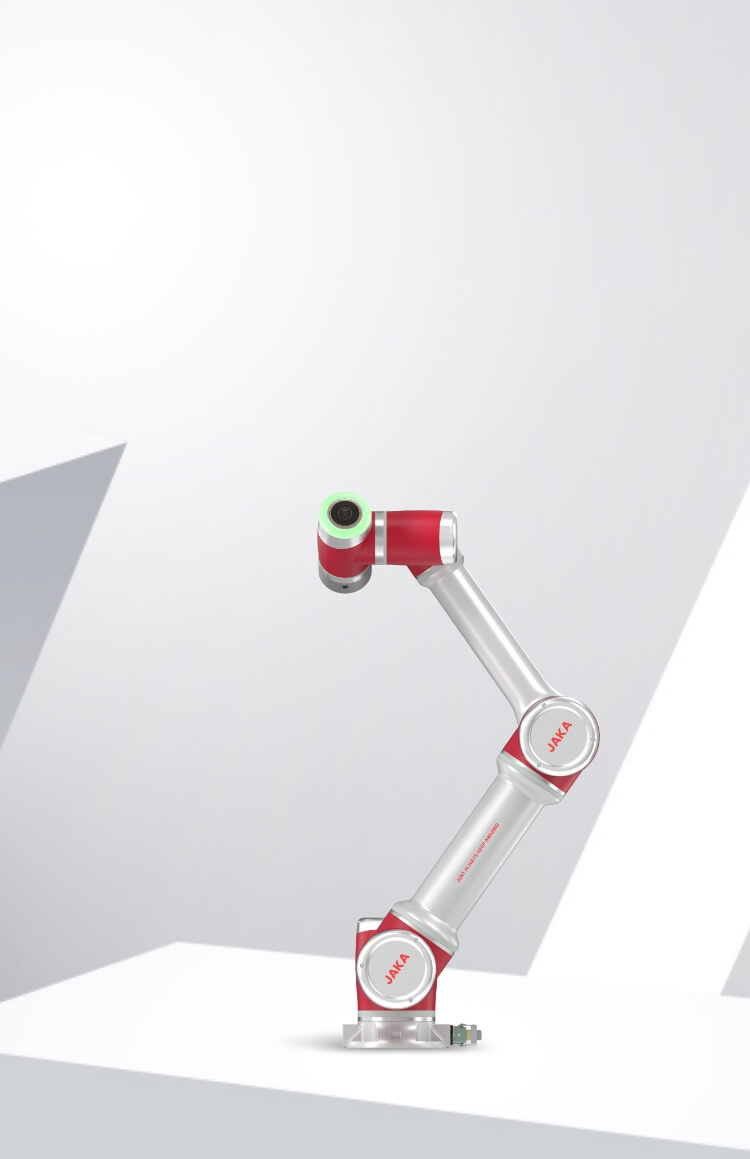
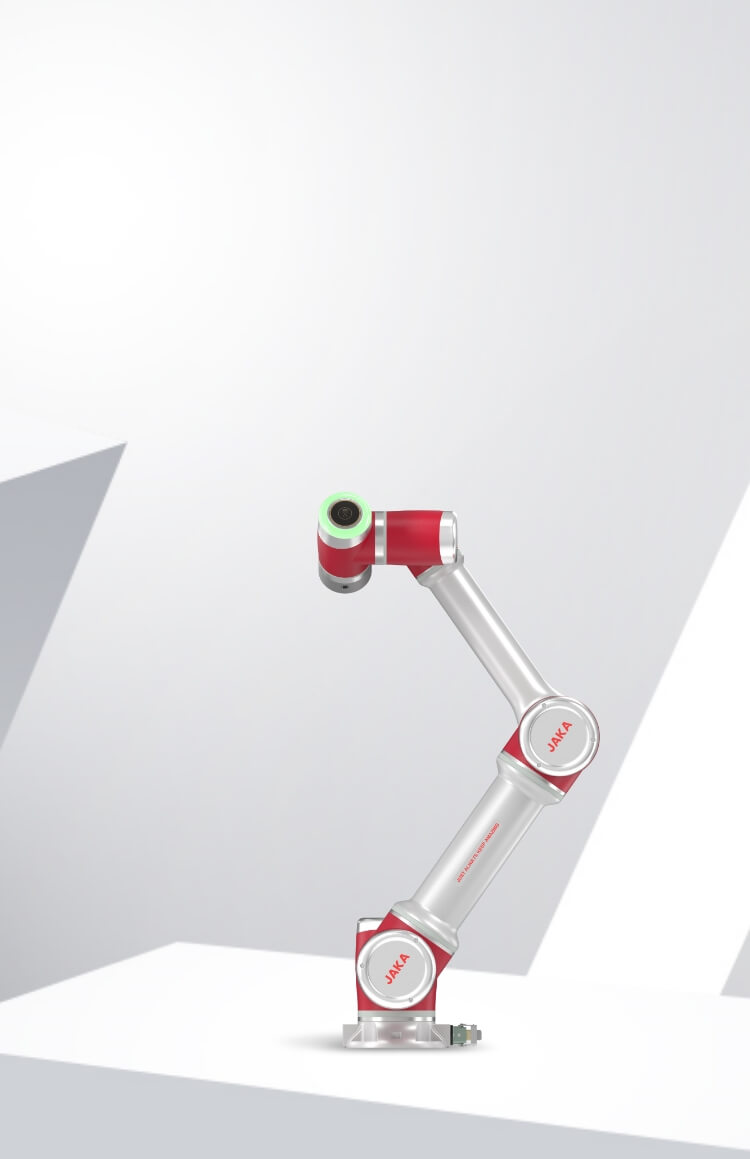
These robotic arms are not your average machines—they adapt quickly, providing precision and flexibility in tasks ranging from assembly to packaging. You see, a 6-axis robot arm mimics the range of motion of a human arm, allowing for complex movements that are essential in various industries. This versatility makes them indispensable in settings that require speed and reliability. Think about it: a robot arm that can stack, sort, and pick with incredible accuracy eliminates human error and reduces labor costs.
Benefits Over Traditional Solutions
Standard machinery often falls short in addressing the real pain points of modern logistics. For instance, a static picking system might require numerous manual interventions, leading to delays. In contrast, a 6-axis robot arm navigates efficiently without the bottlenecks common in traditional solutions. (Seriously, who enjoys waiting for a machine to catch up?) This agility reflects a future where operations are driven by advanced robotics rather than limited manual labor. I’ve seen firsthand how implementing these arms in production lines transformed productivity in ways we never imagined.
What’s Next in Automation?
Looking ahead, the integration of handling robots will be crucial as businesses adapt to changing market demands. Forward-looking industries are recognizing the importance of automation in achieving scalability and efficiency. With each iteration, I notice that these systems are growing smarter, utilizing AI and machine learning to optimize performance. Imagine having a robot that not only executes tasks with precision but also learns from its environment. This is where the industry is headed.
Measuring the Impact
As we see automation scaling, companies must evaluate the right metrics in selecting solutions. Here are three critical evaluation metrics: first, assess the return on investment (ROI) of implementing robotic systems; second, monitor the reduction in operational response time; and finally, track maintenance costs over time. I firmly believe these metrics will illuminate the path to success. Looking back, the experiences of various clients I’ve worked with reveal that understanding and measuring these factors can make or break an automation strategy.
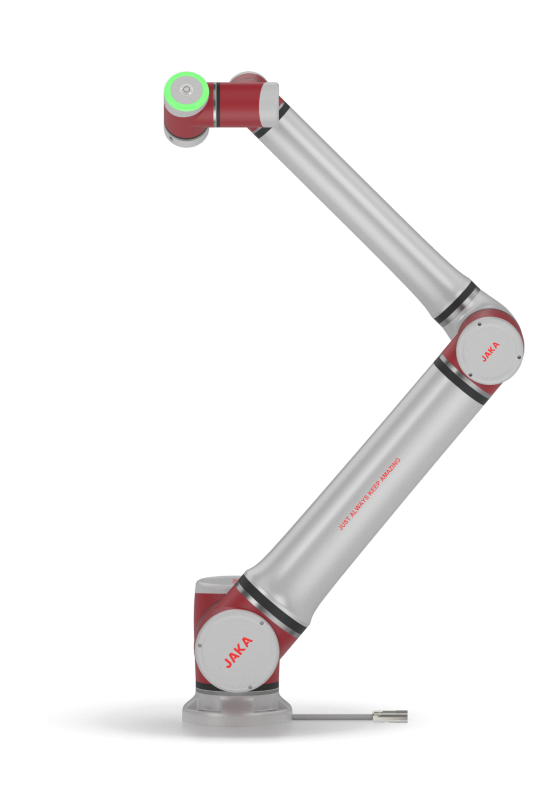
In summary, embracing the capabilities of a 6-axis robot arm isn’t just about keeping up with the competition—it’s about redefining operational standards for years to come. As we continue to evolve in the face of technological advancements, I’ll keep sharing insights and real-world examples to help navigate this thrilling landscape. After all, organizations that don’t adapt may find themselves left behind. If you’re looking to enhance operations, consider exploring solutions offered by JAKA.