Why this comparison matters in the shop
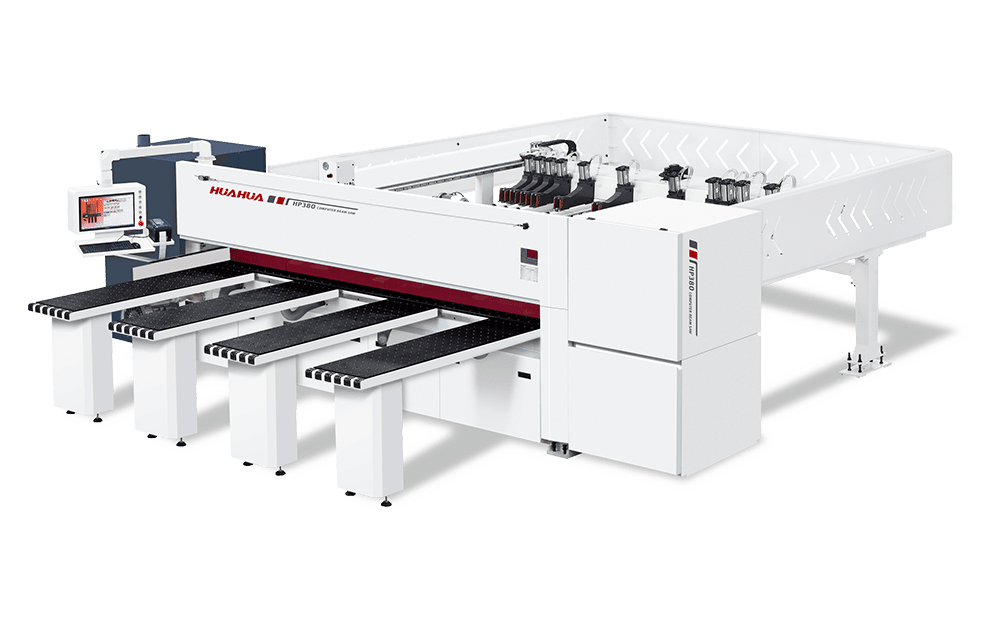
Down here in the city, shops gotta choose between keeping things tight with local panel saw upgrades or blowing out to full automation. The difference ain’t just shiny tech — it’s workflow, crew time, and whether you can hit deadline after deadline. If you’re weighing options, peep how a modern beam saw machine fits into the rhythm of daily production and where it pays off fastest.
Benchmarks from real shops — a quick look
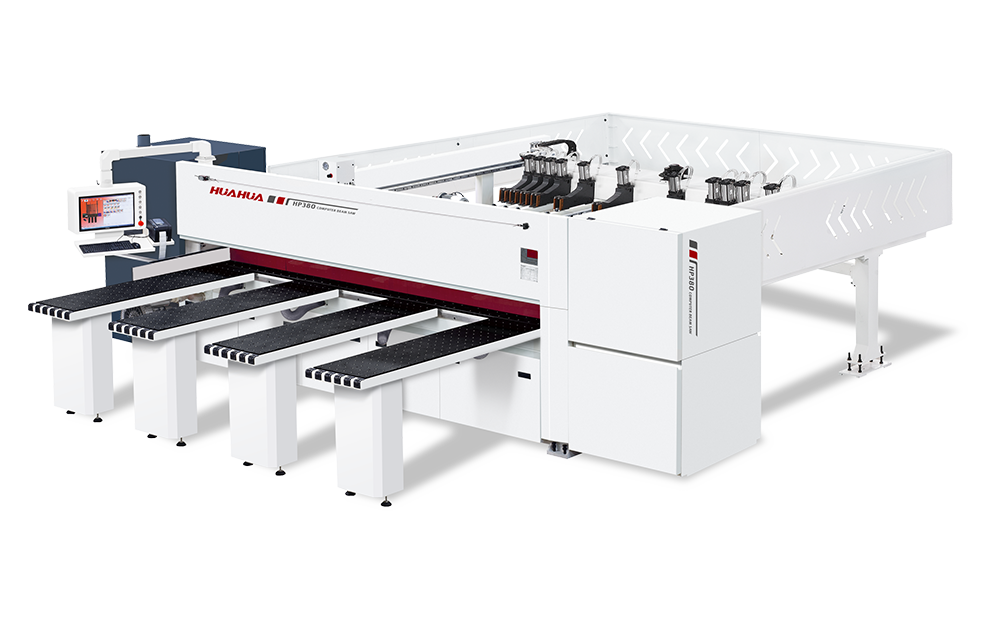
Brooklyn and Queens workshops taught me one thing: small changes stack. After the 2020 supply-chain disruptions, local shops focused on faster turnaround and lower waste. Shops that blended numerical control with solid setup routines saw uptime creep up and rework go down. Industry terms here matter — panel saw setups, scoring blade use, and dust extraction all affect cut quality and throughput.
Operational production teardown: how the tools plug into the floor
Start with the process: stock in, crosscut or rip, edge prep, final QC. Slot a computerized workflow where it makes sense. A computerized wood cutter that handles repeat batches with preloaded programs cuts mistakes and speeds cycle time. Put the beam saw machine for big boards and a CNC router for detail cuts — they complement, not replace, each other. Keep the rip fence locked, check blade alignment every shift, and log offsets in your controller to keep tolerances tight.
Alternatives and trade-offs — keeping it real
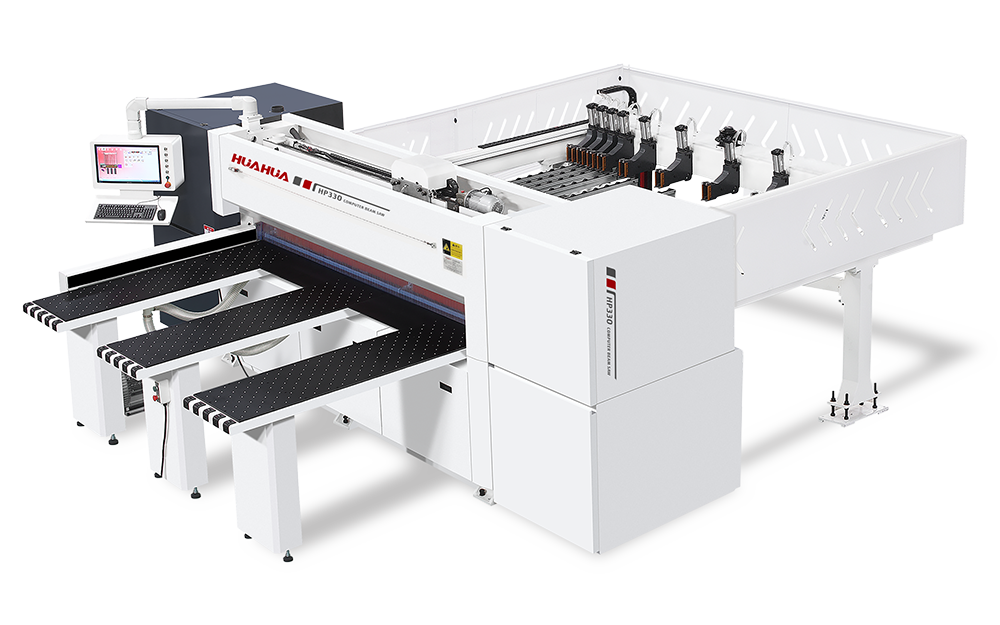
Manual panel saws still win on low-volume custom work; they’re cheap and familiar. Mid-range beam saw machines hit a sweet spot for batch work — fast, decent accuracy, less operator strain. Full CNC brings complex nesting and automation, but it costs time to program and maintenance cash. Pick by volume, not ego. — Don’t overbuy for a job that’s only seasonal; capital sits idle faster than equipment pays back.
Common mistakes shops make
Messy stuff hits profits quick. The usual slip-ups: running dull blades to save on immediate cost, ignoring dust extraction so machine sensors clog, or skipping regular servo motor checks and belt tensioning. Another move that kills throughput is mixing feed speeds for different materials without recalculating feed per tooth — that ruins finish and shortens blade life. Fix those and you free up tech time for more work.
Operational tips and small wins
Practical moves that don’t need big budgets: set a daily checklist for saw calibration, label recipes in the controller, and train one person on quick maintenance. Use a small pallet of standardized panel sizes to reduce setup. Track scrap per job for a month — the numbers tell you where to rework nesting or switch blade types. These are simple, but they compound.
Three golden rules for picking tools and strategy
1) Throughput per shift: measure how many finished panels you need each shift, then choose tools that meet that baseline without bulky idle time. 2) Tolerance and finish needs: if your furniture line demands tight edges and little sanding, invest in scoring blades, tight rip fences, and CNC nesting. 3) Lifetime serviceability: check availability of local techs, parts, and routine maintenance cycles — downtime cost beats sticker price every time.
Final fit and where HUAHUA CNC comes in
Match the machine to the metric. If you chase consistent batch speed and solid accuracy, the right panel saw lineup moves you from firefighting to predictable runs, and that’s where HUAHUA CNC starts to matter — their systems hit the balance between speed and service so crews stay productive, not frustrated. –